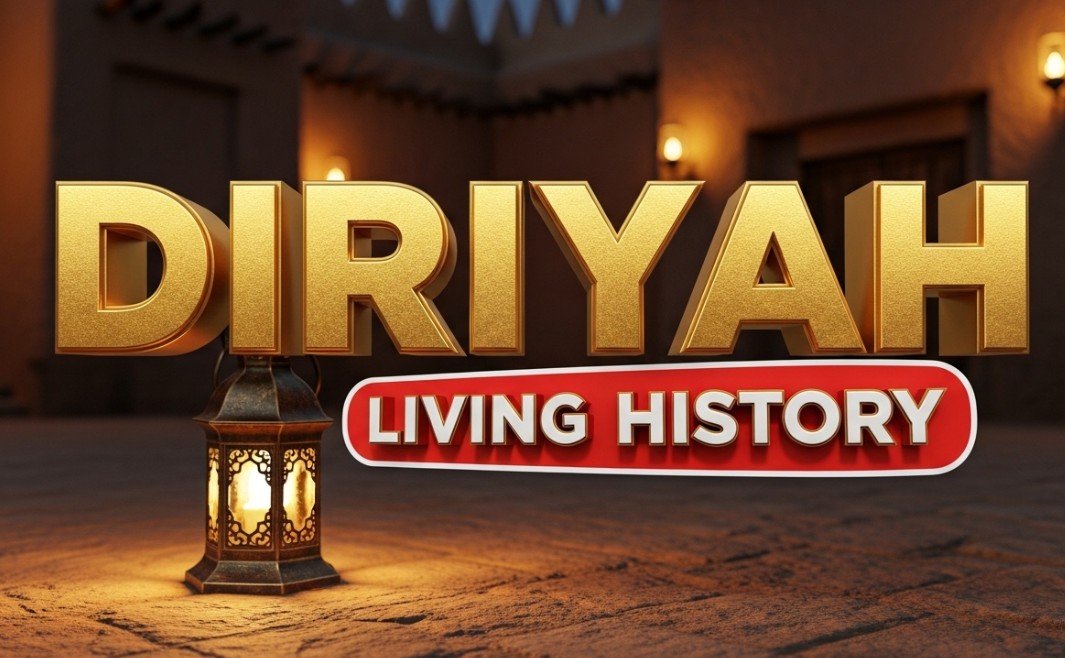
History is waking up in the heart of Saudi Arabia.
Innovative technology is now transforming the ancient Prince Turki bin Saud Palace into a living museum. This new experience offers visitors a rare look into the courage and daily life of the First Saudi State. It blends centuries-old mud walls with cutting-edge digital storytelling to capture the imagination of the world.
Step Inside the Living History of At-Turaif
The historic district of At-Turaif is buzzing with new energy.
This UNESCO World Heritage site has launched the “Hal Al-Qusoor” program to activate its silent ruins. The initiative does not just show artifacts. It pulls guests into the emotional journey of the people who lived there two centuries ago.
Visitors can now walk through the very halls where Saudi leaders once planned their future.
The palace uses light, sound and projection to recreate the atmosphere of the 1800s. You can hear the faint sounds of horses and the bustle of a busy courtyard. It is designed to be immersive.
Here is what the new interactive tour includes:
- Holographic Guides: Digital displays explain the rooms and their purposes.
- Soundscapes: Audio effects mimic the daily life of the First Saudi State.
- Light Shows: Projections highlight the intricate details of the Najdi architecture.
This approach helps younger generations connect with their roots. It makes history feel urgent and real rather than dusty and distant.
Prince Turki bin Saud: A Legacy of Leadership
The palace is named after a figure synonymous with strength.
Prince Turki bin Saud was born in the At-Turaif district during the late 18th century. He grew up watching his father, Imam Saud bin Abdulaziz, command armies and lead the state. This environment shaped him into a skilled horseman and a leader.
His life story is now central to the palace exhibits.
Displays highlight his role in the military and his upbringing in a time of great change. The exhibits focus on the values of patience and resilience that defined his era.
Stories of his childhood and training are projected onto the mud-brick walls. These narratives show how the harsh desert environment created tough but wise leaders. It creates a powerful emotional link between the prince of the past and the visitor of today.
Mud Bricks and Tamarisk: Masterpieces of Najdi Design
The building itself is a star of the show.
Constructed in the early 19th century, the palace is a perfect example of Najdi architecture. Builders used materials found directly in the local environment.
“The genius of At-Turaif lies in its sustainability. Every stone and beam served a purpose for survival and comfort.”
The structure features thick walls made of sun-dried mud bricks. These walls kept the interior cool during the blistering summer heat.
Key architectural features include:
- Central Courtyard: A large open space that provided light and air circulation.
- Tamarisk Wood: Used for doors and ceilings due to its durability.
- Defensive Design: Narrow exits and high walls protected the residents from attacks.
Restoration teams have worked hard to preserve these original elements. They repaired damaged sections using the same traditional methods as the original builders. This ensures the palace remains authentic while hosting modern technology.
Global Tourism Hub Rising in the Kingdom’s Heart
This project is part of a bigger picture.
Saudi Arabia is opening its doors to the world through Vision 2030. Diriyah is the crown jewel of this tourism strategy. The goal is to turn this historical area into a premier global destination for culture and heritage.
Officials want to attract millions of visitors to see the birthplace of the Saudi state.
The blend of luxury dining, shopping and deep history in Diriyah is unique. The Prince Turki bin Saud Palace proves that heritage sites can be modern and exciting. It moves away from static museums where you just look at glass cases.
Instead, it invites people to touch, listen and feel. This strategy is already working. Crowds are flocking to see the lights dance on the old mud walls. It turns a history lesson into a night of entertainment.
The success of these exhibits sets a new standard for historical sites across the Middle East.
Interactive history is here to stay.
The revival of the Prince Turki bin Saud Palace is a triumph of memory and technology. It honors the past while embracing the future tools of storytelling. Visitors leave with a deeper respect for the resilience of the First Saudi State.