Egyptian governor Ismail Kamal called for stronger ties among Arab cities to build sustainable urban areas during a major summit in Dubai on October 29, 2025. He highlighted how Dubai’s success in infrastructure and green projects could guide places like Aswan in tackling shared issues like water shortages and population booms.
Governor Kamal’s Push for Regional Teamwork
Ismail Kamal, the governor of Aswan, spoke at the Asia Pacific Cities Summit and Mayors’ Forum in Dubai. He stressed that Arab cities share a common language and culture, making it easier to swap ideas on city planning.
This comes right after a closed-door meeting of over 30 Arab city leaders on October 27, 2025. They focused on joint solutions for urban growth.
Kamal told reporters that working together could speed up progress in sustainability. He pointed out that each city has its own needs but can learn from others.
Drawing Lessons from Dubai’s Model
Dubai stands out as a leader in smart city development, and Kamal wants to apply its strategies in Aswan. The UAE city has pushed hard on green energy and modern infrastructure under plans like Vision 2021 and Net Zero by 2050.
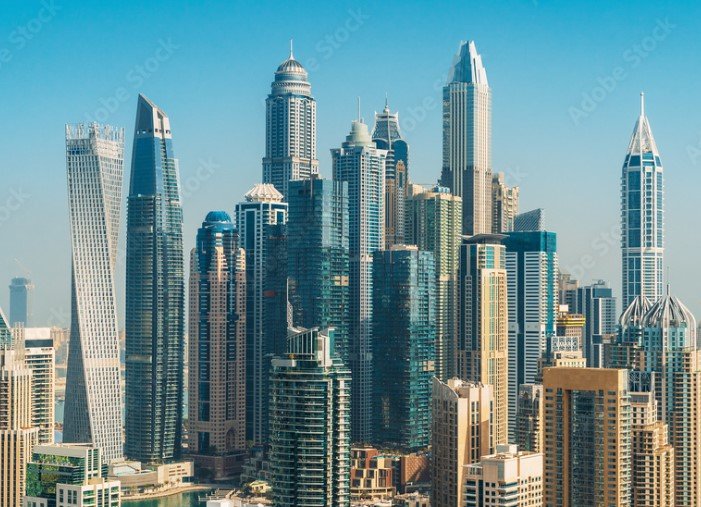
For example, Dubai’s shift from oil reliance to renewable sources offers a blueprint. Kamal noted how Dubai became a global hub through bold projects.
Aswan faces its own hurdles, like rapid population growth. A recent German-Egyptian project is upgrading slums and infrastructure there to handle this.
Kamal sees Dubai’s experiences as key for Aswan’s future. He aims to bring back ideas on efficient water use and smart buildings.
Key Challenges Facing Arab Urban Areas
The Arab region is urbanizing fast, with 60 percent of people now in cities. By 2050, that could hit 70 percent, per UN reports.
Water scarcity hits 19 out of 22 Arab countries hard. Desertification affects 17 nations, making land use a big worry.
Population growth adds pressure on jobs, especially for young people. Leaders at the summit discussed these as top priorities.
Here are some pressing issues:
- Water shortages limiting growth in dry areas.
- Rising urban populations straining housing and services.
- Need for more jobs in tech and green sectors.
- Climate change impacts like heat waves and floods.
Major Projects Shaping the Future
Big developments are already changing the landscape. Egypt’s New Administrative Capital east of Cairo aims to ease overcrowding.
Saudi Arabia’s The Line project promises a zero-carbon city. In the UAE, Abu Dhabi is expanding smart infrastructure with over $54 billion in projects for 2025.
These efforts tie into broader goals like the UN Sustainable Development Goals. Progress reports show gains in the Arab region but warn of ongoing conflicts slowing things down.
| Project | Location | Focus | Timeline |
|---|---|---|---|
| New Administrative Capital | Egypt | Urban expansion and government hubs | Ongoing to 2030 |
| The Line | Saudi Arabia | Sustainable linear city | Construction started, aims for 2030 phases |
| Dubai Sustainable City | UAE | Green living and renewables | Expanded in 2025 |
| Aswan Urban Upgrades | Egypt | Slum improvements and infrastructure | 2025-2027 |
UAE’s Role in Driving Change
The UAE leads by example with strategies like energy diversification. Dubai’s real estate push targets $1 trillion in transactions by 2033.
Events like the summit bring global experts together. Tweets from leaders like Hamdan bin Mohammed highlight Dubai’s focus on community spaces and smart tech.
This cooperation could boost the region’s economy. Experts say joint projects might create millions of jobs in green fields.
Looking Ahead to 2050
By 2050, Arab cities could transform if leaders act now. Kamal’s call echoes a growing trend toward shared knowledge.
Sustainability reports urge faster action on SDGs. With summits like this, the path looks promising.
What do you think about Arab cities teaming up for better futures? Share your thoughts in the comments and spread this story to spark more discussion.