
Tens of thousands of passengers were thrown into travel chaos this weekend as Egypt’s national airline EgyptAir and Ethiopia’s flag carrier Ethiopian Airlines suspended flights to key Middle Eastern destinations, stiff travel routes and stranding travelers across the region. The moves mark one of the most dramatic disruptions to regional aviation in years and deepen global concern about the broader impact of the ongoing conflict following US and Israeli military strikes on Iran.
The sudden halt of scores of flights has left airports eerily quiet, travelers stranded in terminals far from home, and airline executives scrambling to protect safety while navigating an evolving security crisis. What exactly happened on the ground at Cairo, Addis Ababa and transit hubs across the region, and what does it mean for travelers in the coming days?
Major Flight Suspensions Amid Airspace Closures
EgyptAir, the state carrier of Egypt, announced that it suspended flights to at least 13 Middle Eastern cities until further notice due to escalating tensions and the closure of airspace in several neighboring countries. The airline’s statement listed destinations including Dubai, Doha, Kuwait, Bahrain, Abu Dhabi, Sharjah, Qassim, Dammam, Erbil, Baghdad, Amman, Beirut and Muscat as among those affected by the suspension. The decision follows the rapid imposition of airspace closures by several states surrounding the conflict zone, making normal flight operations impossible.
In a similar move, Ethiopian Airlines announced cancellations of flights to several key cities including Amman, Tel Aviv, Dammam and Beirut, citing the notorious security situation in the region and ongoing safety concerns for passengers and crew. Ethiopian Airlines stressed it would continue to monitor developments and respond as needed to dynamic conditions.
These moves are part of a much broader pattern of aviation disruption sweeping the Middle East. Airspace closures have been imposed by Iran, Israel, the United Arab Emirates, Kuwait, Qatar, Iraq, Bahrain and other states as combat operations and retaliatory strikes escalate. Civil aviation authorities in those states have either fully or partially shut down their skies, forcing deep cuts in commercial flight movements.
What This Means for Passengers and Crew
For passengers with plans to fly to or from the affected cities, the situation has been nothing short of chaotic.
Airport terminals in Cairo and Addis Ababa, normally buzzing with international traffic, saw a sharp drop in flights as passengers waited for news that often never came. Many travelers found their routes canceled with no clear timeline for when regular services might resume.
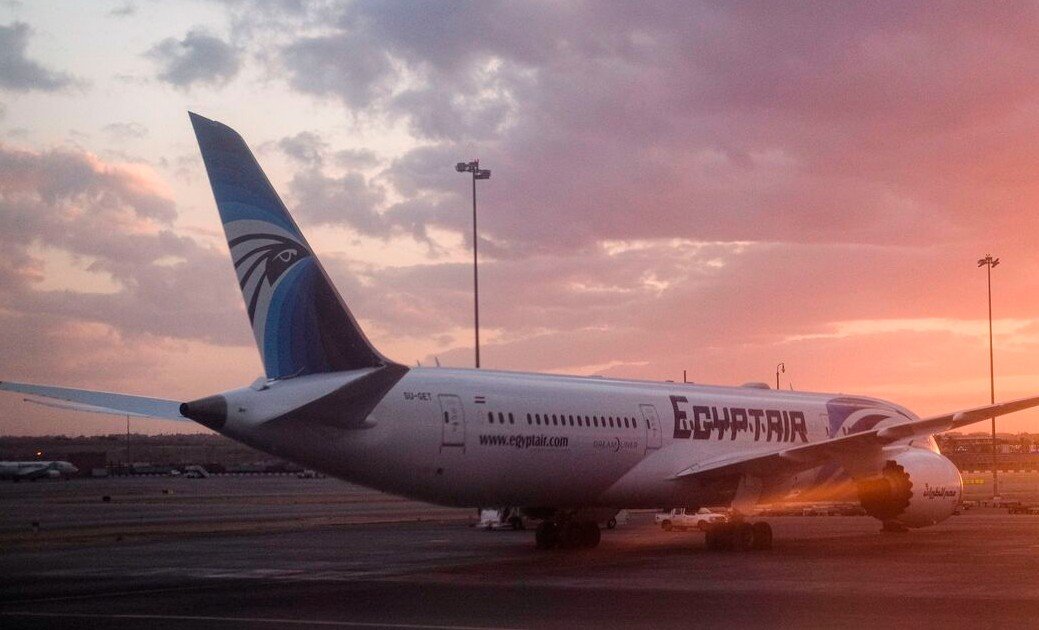
Aviation analysts noted that this disruption exceeds typical seasonal or weather‑related disruptions because multiple countries shut their airspace at once, including major flight corridors that normally funnel planes between continents. Middle Eastern hubs like Dubai, Doha and Kuwait serve as critical connection points for global travel linking Africa, Asia and Europe. With these skies closed, many flights have been rerouted or delayed indefinitely.
Some travelers have been forced to seek alternative routes through even more distant hubs or return home via sea crossings and land borders as commercial sky travel remains in flux. Others have waited side by side in airports far from home, clinging to hope that flights will resume sooner rather than later.
Why Airlines Took This Step
Airlines do not cancel flights lightly. The joint decision by EgyptAir and Ethiopian Airlines reflects both practical and safety considerations in the face of unprecedented regional instability.
In its official notice to passengers, EgyptAir explained that ongoing closures of airspace by neighboring states have made it impossible to guarantee safe flight paths to the listed cities, prompting the indefinite suspension of services until the situation clarifies. The airline has repeatedly told passengers to check bookings and seek updates via official channels as the situation evolves.
Ethiopian Airlines, too, pointed to security risks and volatile airspace conditions as the reason for halting flights, underscoring that protecting crews and passengers remains its overriding priority.
Air travel depends on established air routes and international coordination between civil aviation authorities. When military operations and missile strikes occur, especially near major flight corridors, aviation regulators and airlines must respond swiftly, often opting to pause operations until risks can be properly assessed.
Wider Impact on Global Travel
This regional crisis has not just affected carriers based in Africa and the Middle East. Airlines around the world have reacted:
-
Major international carriers including Emirates, Qatar Airways, Etihad, Lufthansa, British Airways and others have suspended or dramatically scaled back operations into the region due to the airspace closures and safety concerns.
-
Flight trackers and aviation analysts report that thousands of flights have been delayed or canceled globally since the conflict intensified.
-
Travel disruptions are likely to persist as the situation remains unstable and country airspace statuses remain uncertain.
This turbulence echoes the level of air travel disruptions last seen during the global pandemic, illustrating just how interconnected modern aviation is with global stability and geopolitical climates.
Passenger Rights and Airline Responses
For travelers now stranded or whose itineraries have been disrupted, airline policies have become a key focus.
Most carriers affected by the regional situation have introduced flexibility measures such as waiving change fees, offering refunds or rebooking options to ease passenger challenges. Travelers are being advised to:
-
Contact airlines directly to view rebooking or refund options.
-
Monitor official airline channels for real‑time updates on flight status.
-
Check travel insurance policies to understand coverage under conflict situations.
Airlines, for their part, have urged calm and patience as they work with aviation authorities to determine when it might be safe to resume regular services.
A Moment of Uncertainty for Middle East Travel
The suspension of flights by EgyptAir and Ethiopian Airlines highlights how quickly global travel systems can be disrupted by geopolitical events far beyond travelers’ control. What began as escalating tensions has spilled into airspace closures, travel cancellations, and a complex web of decisions by governments and carriers trying to balance safety with service.
For passengers stranded at airports or holding canceled tickets, the path forward may remain uncertain for days. Yet as airlines monitor the situation and global aviation regulators coordinate responses, a resolution may eventually begin to take shape.
