As the holy month of Ramadan gets underway this week, Israeli authorities have announced a major security deployment around the Al‑Aqsa Mosque compound in Jerusalem, intensifying tensions over access and worship rights at one of the most sensitive religious sites in the world. The move has triggered strong reactions from Palestinian officials, who say it includes restrictions on worshippers and limits on preparations at the mosque ahead of Ramadan’s peak days.
The announcement comes as Muslim worshippers prepare for a month of fasting and prayer, a period when hundreds of thousands traditionally travel to Jerusalem’s Old City to pray at Al‑Aqsa. While Israeli police say their aim is to ensure safety, Palestinians and rights groups fear the measures could fuel unrest, deepen frustration, and undermine confidence in the status of the site.
Police Plan Large‑Scale Deployment at Temple Mount
Israeli officials have detailed a broad security plan for Ramadan that includes round‑the‑clock police presence in and around the Al‑Aqsa Mosque compound, which Jews refer to as the Temple Mount.
Jerusalem police have said thousands of personnel will be stationed both on the compound and throughout the city’s Old City in order to manage crowds and prevent any disturbances during peak prayer times. Friday prayers, in particular, are expected to draw the largest crowds and will have additional forces deployed.
Arad Braverman, a senior police officer, stressed that forces will be active both day and night around the compound “to safeguard freedom of worship and public order,” a message the authorities say is meant to reassure all communities.
Despite this, many Palestinians remain wary, viewing the heavy presence of Israeli security as a source of tension rather than calm. Last year’s Ramadan experienced similar escalations that led to moments of confrontation, and the wider backdrop of conflict has only heightened anxieties ahead of this year’s observance.
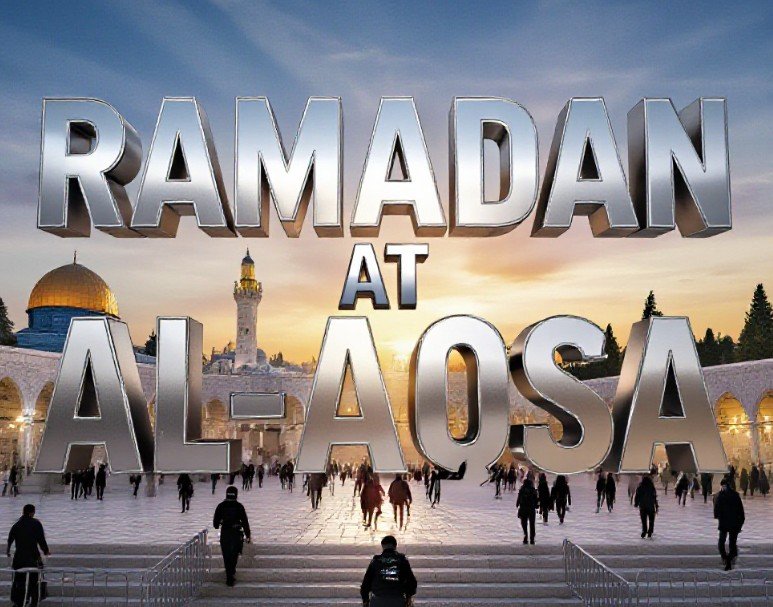
Reported Curbs on Worshipper Access and Waqf Activity
Palestinian officials in Jerusalem have accused Israeli authorities of imposing restrictions beyond security measures, potentially limiting who can attend prayers at the site. According to the Palestinian Jerusalem Governorate, information shared with them indicates that entry permits for Palestinians from the occupied West Bank may be restricted by age, with men over 55 and women over 50 prioritized — an arrangement that mirrors criteria used last year.
These limitations could significantly reduce the number of worshippers who are able to attend, especially among younger Palestinians who often make up large portions of Ramadan prayer crowds. The age‑based criteria were seen by some observers last year as a measure to reduce large gatherings that could escalate into clashes.
In addition, Palestinian officials have claimed that Israeli authorities have prevented the Islamic Waqf — the Jordanian‑run body responsible for administering Al‑Aqsa — from carrying out routine logistical preparations. These reported prohibitions on shade structures, temporary clinics, and other facilities for worshippers have been described as hampering the mosque’s readiness for Ramadan.
A Waqf source confirmed that dozens of its employees were barred from entering the compound in the week leading up to Ramadan, a development officials say will further complicate preparations for expected crowds.
Historic Status Quo and Rising Tensions
Al‑Aqsa Mosque holds profound religious importance for Muslims worldwide, being Islam’s third‑holiest site. At the same time, the Temple Mount it sits on is the holiest location in Judaism, believed to have housed ancient Jewish temples. Long‑standing arrangements have allowed Muslims to pray there, while Jews may visit at restricted times but are not permitted to pray on the site.
Israeli authorities insist they remain committed to maintaining this “status quo,” even as political pressures and actions by Israeli ultranationalist figures have raised fears about erosion of agreed norms. Some far‑right politicians have publicly challenged the prayer ban for Jews on the Temple Mount in recent years, which has alarmed many Palestinians and regional states.
Historical patterns show that Ramadan is often a period of heightened sensitivity. In past years, clashes at the holy site have led to broader unrest across Jerusalem and the surrounding West Bank, reminding many observers of the volatile mix of faith, politics, and security issues tied to the compound.
Regional Responses and Broader Implications
The developments around Al‑Aqsa during Ramadan resonate well beyond Jerusalem. Regional governments and religious leaders have repeatedly emphasized the importance of respecting the sanctity of the mosque and preserving long‑standing agreements governing access. Some have condemned actions they see as infringements on Muslim worship rights or efforts to alter the character of the site.
Jordan’s foreign ministry, for example, has criticized extremist incursions and policies it views as violations of the historical and legal status of the compound, calling on the international community to take action.
Meanwhile analysts say that heightened tensions at Al‑Aqsa during Ramadan could have far‑reaching effects on Israeli‑Palestinian relations, potentially influencing peace efforts, domestic politics on both sides, and regional stability. With the backdrop of recent conflicts and ongoing disputes over Jerusalem’s status, Ramadan is likely to be a test of restraint and mutual respect.
Expectations and Concerns for the Holy Month
As Ramadan unfolds, worshippers from across the Palestinian territories and beyond will make their way to Jerusalem. For many Muslims, attending prayers at Al‑Aqsa during this sacred month is both a spiritual highlight and an exercise in resilience amid competing political pressures.
Security officials maintain that their deployments are aimed at preventing violence and ensuring worshippers can pray peacefully. Palestinian leaders, however, warn that access restrictions and restrictions on religious preparations risk inflaming tensions and deepening grievances.
The coming weeks will likely reveal how these preparations play out in practice and whether Ramadan 2026 will pass with calm observance or if it becomes another flashpoint in a long history of contested control and competing narratives over Jerusalem’s most revered spaces.