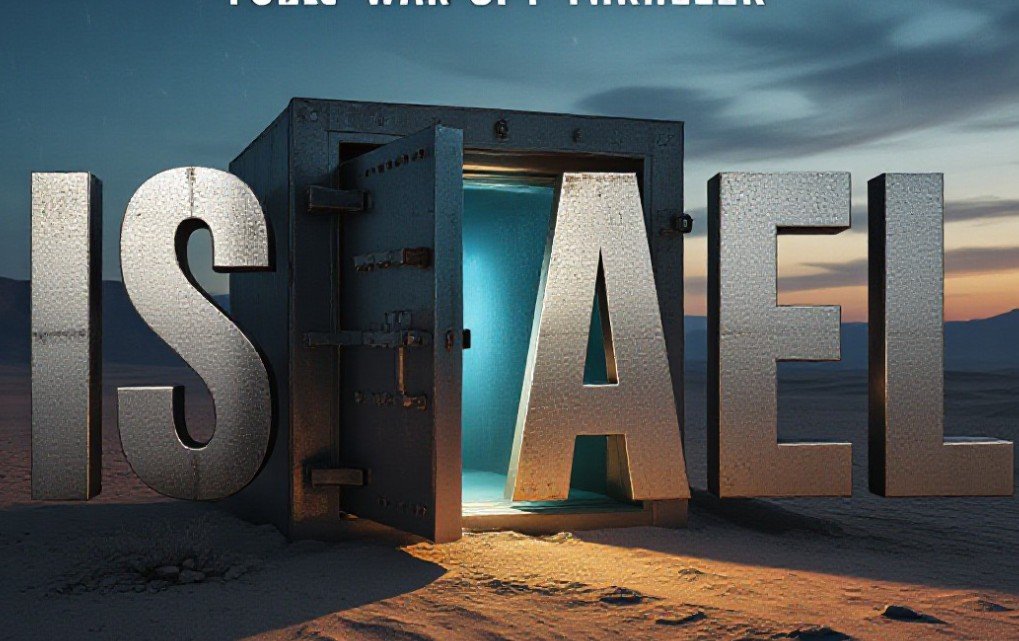
While global headlines remain fixated on the nuclear ambitions of Iran, a massive and unmonitored arsenal sits quietly in the Negev Desert. Israel possesses an estimated stockpile of nuclear warheads that operates completely outside international law and inspection protocols. This glaring double standard in global diplomacy raises uncomfortable questions about the true cost of silence in the Middle East.
The world demands transparency from Tehran while turning a blind eye to the established nuclear power in Tel Aviv.
The Open Secret Hidden in Plain Sight
Israel maintains a unique policy known as “nuclear ambiguity” regarding its weapons program. The government neither confirms nor denies the existence of its nuclear arsenal. However, international experts and leaked information paint a very different picture.
Most credible defense analysts estimate that Israel possesses between 80 and 400 nuclear warheads.
This wide range exists because no international inspectors are allowed inside the Dimona nuclear facility. The Stockholm International Peace Research Institute (SIPRI) consistently lists Israel as a nuclear-armed state in its annual yearbooks. Their data suggests the country has enough plutonium to fuel a significant number of weapons. This production likely began in earnest after the Six-Day War in 1967.
The disparity in reporting is striking. Western media outlets produce daily reports on Iranian centrifuges. Yet, they rarely mention the operational nuclear triad that Israel reportedly maintains. This triad includes land-based missiles, submarines capable of launching nuclear cruise missiles, and strategic aircraft.
The silence serves a strategic purpose. It allows the United States and other Western allies to avoid triggering legal sanctions that would automatically apply if they officially acknowledged Israel’s status. This diplomatic dance keeps the aid money flowing. It also prevents a formal nuclear arms race declaration in the region.
A Tale of Two Nations and One Treaty
The core of this geopolitical tension lies in the Nuclear Non-Proliferation Treaty (NPT). This agreement is the bedrock of global nuclear safety. It requires nations to pledge never to acquire nuclear weapons in exchange for access to peaceful nuclear technology.
Iran is a signatory to the NPT. This means its facilities are subject to surprise inspections by the International Atomic Energy Agency (IAEA). When Iran violates these protocols, the United Nations imposes crippling sanctions. The global economy works together to isolate them.
Israel has never signed the Non-Proliferation Treaty and rejects all calls to join it.
Because they never signed the paper, they technically break no treaty rules by building bombs. However, the United States often acts as a diplomatic shield for Israel at the UN. Washington blocks resolutions that call for a “Nuclear-Weapon-Free Zone” in the Middle East.
Here is a breakdown of the contrasting treatment between the two nations:
| Feature | Israel | Iran |
|---|---|---|
| NPT Status | Non-Signatory | Signatory Party |
| Inspections | Facilities are off-limits | Subject to IAEA monitoring |
| Nuclear Arsenal | Estimated 90-400 warheads | No operational weapon confirmed |
| US Policy | Diplomatic protection | Sanctions and isolation |
This uneven application of international law creates deep resentment. Critics argue that you cannot enforce the law against one suspect while deputizing another who commits the same act.
The Ruthless Pursuit of Absolute Power
Israel did not achieve this capability by accident. The program was born from a desperate survival instinct and executed with ruthless determination. Historical reports indicate that the path to the bomb involved espionage, theft, and secret alliances.
The Israeli scientific intelligence agency known as Lakam played a pivotal role in this history. Led by Benjamin Blumberg, this bureau was tasked with securing the necessary components for Dimona. Their missions were so sensitive that even the Mossad was often kept in the dark.
Agents reportedly secured nuclear triggers and materials from Western nations through front companies and covert operations.
The Bulletin of the Atomic Scientists has highlighted this single-minded drive. Israel felt it could not rely on foreign guarantees for its existence. They decided they needed the ultimate insurance policy. They sought heavy water from Norway and reactor technology from France in the 1950s.
When political winds shifted, Israel allegedly turned to illicit means to finish the job. There are documented cases of nuclear timing devices known as krytons being smuggled out of the United States. This history of subterfuge complicates modern efforts to preach non-proliferation to other states.
Regional Instability and Future Risks
The existence of these weapons creates a fragile paradox in the Middle East. Israel argues that its nuclear deterrent prevents major wars of annihilation. They view it as a necessary shield against hostile neighbors who have sworn to destroy the state.
However, neighbors view these weapons as an offensive threat. The lack of accountability encourages other nations to seek their own deterrents. If the rules do not apply to everyone, eventually no one will follow them.
Saudi Arabia and Turkey have both hinted that they may seek nuclear capabilities if Iran acquires a bomb.
This would lead to a nightmare scenario. A multi-polar nuclear arms race in the most volatile region on Earth could end in catastrophe. One miscalculation or false radar reading could trigger a response that wipes out millions of people.
The “Samson Option” is a theoretical Israeli strategy that terrifies defense planners. It suggests that if the state of Israel faces total destruction, it would launch its entire nuclear arsenal against all enemies. This ensures that no one survives if Israel falls.
Current US administrations continue to grapple with this reality. They push for peace deals like the Abraham Accords. Yet, they refuse to address the nuclear elephant in the room. Real stability requires honest dialogue about all weapons of mass destruction in the region, not just those held by adversaries.
We stand at a dangerous crossroads. The policy of ambiguity has worked for fifty years. But in an era of high-tech surveillance and changing alliances, secrets are harder to keep. The international community must decide if it values safety or special treatment.
Continuing to ignore Israel’s nuclear capacity while hammering Iran undermines the credibility of international law. It tells the world that power matters more than rules. For the sake of future generations, the Middle East needs a new framework for disarmament that includes everyone.