
Somalia’s Al-Shabaab militant group has promised to battle any Israeli presence in Somaliland after Israel became the first nation to recognize the breakaway region as independent on December 26, 2025. This move, announced by Israeli Prime Minister Benjamin Netanyahu, aims to boost security in the Red Sea amid ongoing threats from Yemen’s Houthi rebels, but it has sparked widespread backlash and fears of heightened conflict in the Horn of Africa.
Israel’s Bold Step Toward Somaliland Ties
Israel’s decision marks a major shift in global diplomacy. For over three decades, Somaliland has sought recognition since declaring independence from Somalia in 1991 after a brutal civil war. No country had formally acknowledged it until now.
This recognition could open doors for military cooperation. Experts say Israel wants access to Somaliland’s Berbera port to watch Houthi activities in Yemen. The Houthis, backed by Iran, have attacked ships in the Red Sea since late 2023, disrupting global trade routes.
Netanyahu called the step a way to strengthen alliances against shared threats. Somaliland leaders welcomed it, hoping for economic gains and more international support.
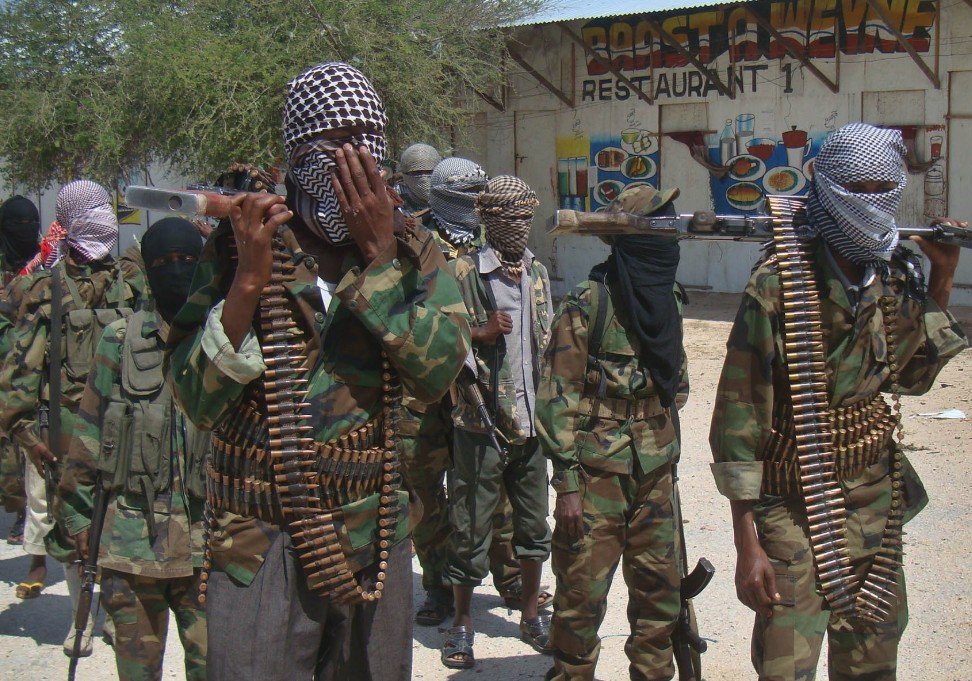
Al-Shabaab’s Fierce Warning and Capabilities
Al-Shabaab, linked to Al-Qaeda, issued a strong statement on December 27, 2025. The group said it would fight any Israeli attempt to use Somaliland land, calling it an expansion into Somali territory.
Spokesman Ali Dheere warned of resistance against what they see as support for a rebel administration in the northwest. Though Al-Shabaab holds little ground in Somaliland, it remains active in southern Somalia.
The militants have carried out deadly attacks recently. In 2024, they killed dozens in Mogadishu bombings and hotel sieges. Their vow adds tension to an area already unstable.
Analysts note Al-Shabaab’s history of targeting foreign influences. This response fits their pattern of opposing outside involvement in Somali affairs.
Global Backlash and Diplomatic Fallout
Somalia’s government quickly condemned the recognition as an attack on its sovereignty. Prime Minister’s office called for Israel to reverse the decision, stressing national unity.
Other nations and groups joined in. Egypt, Turkey, and the Gulf Cooperation Council voiced concerns over regional stability. The African Union warned of far-reaching effects on peace across the continent.
The United States has not supported the move, differing from Israel’s stance. This split highlights tensions in alliances amid Middle East conflicts.
- Somalia: Denounced as a violation of territorial integrity.
- African Union: Feared instability in the Horn of Africa.
- Egypt and Turkey: Called it a dangerous precedent.
- Organization of Islamic Cooperation: Urged respect for Somalia’s borders.
Strategic Gains and Red Sea Security Concerns
Israel’s interest stems from Red Sea threats. Houthi missiles have hit Israeli targets, including a December 2024 strike on Tel Aviv that Iron Dome failed to stop.
A presence in Somaliland could help Israel launch strikes or gather intelligence on Houthis. The Bab al-Mandab Strait, near Somaliland, is vital for world trade, carrying about 12 percent of global shipping.
Somaliland’s location offers a key vantage point. Partnerships with allies like the UAE and Saudi Arabia might secure these routes without direct U.S. involvement.
However, risks remain high. Increased foreign military activity could draw more attacks from groups like Al-Shabaab or Houthis, escalating violence.
| Key Player | Position on Recognition | Potential Impact |
|---|---|---|
| Israel | Full recognition | Enhanced Red Sea monitoring, possible military base |
| Somaliland | Welcomes it | Boost to economy and global status |
| Somalia | Strong opposition | Heightened internal conflict |
| Al-Shabaab | Vows to fight | Increased terrorist threats |
| Houthis | Not directly stated, but aligned against Israel | Possible cross-border escalations |
| African Union | Condemns | Calls for diplomatic solutions |
Historical Context of Somaliland’s Struggle
Somaliland broke away after Somalia’s government collapsed in 1991. It has built stable institutions, holding elections and maintaining peace, unlike chaotic southern Somalia.
Yet, lack of recognition has limited aid and trade. This Israeli step might encourage others, but Somalia insists on unity under its federal system.
Recent events tie into broader conflicts. The 2023 Israel-Hamas war and Houthi attacks have pushed nations to seek new footholds in strategic areas.
What This Means for the Region’s Future
This development could reshape Horn of Africa dynamics. If Israel sets up operations, it might deter Houthi threats but provoke wider unrest.
Peace efforts in Somalia face new hurdles. International mediators urge talks to avoid violence.
Observers predict more countries might follow Israel’s lead if benefits outweigh risks. For now, the situation remains tense with no immediate resolutions in sight.
Share your thoughts on this escalating situation in the comments below, and spread the word by sharing this article with others interested in global security issues.
