A new pop-up art exhibit called HaMivne has transformed Tel Aviv’s historic Shalom Meir Tower into a vibrant cultural hub. Running from December 24 to 29, 2025, the free event features works by 20 artists in the empty office spaces of Israel’s first skyscraper, drawing crowds eager to explore art amid raw industrial architecture.
This six-day show, organized by the Mivne real estate group, breathes life into a building that has sat partially vacant for years. It highlights themes of structure and resilience, connecting visitors with Tel Aviv’s past while offering a fresh take on contemporary art.
Tower’s Rich History Draws New Crowds
Shalom Meir Tower, completed in 1965, stands as a landmark in Tel Aviv’s urban landscape. Named after the father of its builders from the Meir Brothers company, it was once the tallest building in the Middle East.
Over the decades, the 34-floor structure has seen shifts in use, with some sections emptying out as businesses moved away. Now, the pop-up exhibit uses this history to create a unique setting where art meets architecture.
The tower’s location at the corner of Herzl and Ahad Ha’am Streets ties it to Tel Aviv’s early days, linking the old neighborhood of Neve Tzedek to the modern city. This blend of old and new makes the event a fitting tribute to the city’s growth.
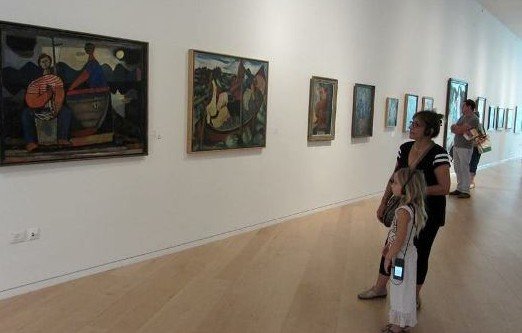
Recent urban renewal efforts in Tel Aviv have focused on revitalizing historic sites like this one. With ongoing developments in the area, the exhibit aligns with trends in cultural tourism, attracting both locals and visitors amid Israel’s push for more public art spaces.
Exhibit Showcases Diverse Artworks
HaMivne features 21 pieces from a mix of established and emerging artists, each interpreting the idea of “structure” in creative ways. Curated by Ariel Kotzer and Sivan Sebbag Zelensky, the show spans three floors, offering 800 square meters of open space.
Artworks range from sculptures made of recycled materials to immersive video installations. Many pieces reflect on recent events, including the societal impacts of conflicts since October 7, 2023, though interpretations vary by viewer.
The exhibit’s raw cement walls enhance the art, creating a dialogue between the pieces and the building itself. This approach echoes global biennales, like those in Venice, but on a pop-up scale tailored to Tel Aviv’s dynamic scene.
In 2025, Israel’s art world has seen a surge in events addressing themes of resilience, with similar shows in Jerusalem and Haifa drawing record attendance. HaMivne fits into this wave, providing a platform for artists to engage with current realities.
Highlighted Artists and Key Pieces
Several standout works capture the exhibit’s essence. Soly Bornstein Wolff’s sculpture, built from Tel Aviv carpentry scraps, mimics a construction site and ties directly to the tower’s industrial feel.
Idit Kupefsky’s “Alta Acqua” uses colorful plastic shapes to cast shimmering reflections, turning light into a structural element. Maya Zack’s video installations invite viewers to wear 3D glasses for a deeper experience.
Ronen Sharabani’s “Checkpoint” video blends figures with cement barriers, mirroring the gallery’s walls. Other videos, like Deri Sharon’s “Temporary Space” and Meirav Heiman’s “Fine,” add humor and drama, touching on themes of disruption and daily life.
Here is a quick overview of some featured artworks:
| Artist | Piece Title | Medium | Key Theme |
|---|---|---|---|
| Soly Bornstein Wolff | Untitled Sculpture | Wood scraps | Urban construction |
| Idit Kupefsky | Alta Acqua | Plastic installation | Light and reflection |
| Maya Zack | The Shabbat Room | Video art | Memory and space |
| Ronen Sharabani | Checkpoint | Video | Barriers and movement |
| Meirav Heiman | Fine | Short film | Family and chaos |
These pieces have sparked discussions online, with social media users praising how they interact with the tower’s empty spaces.
Visitor Experience and Practical Tips
The exhibit is free but requires online registration due to limited spots. It opens in the evenings from 4 p.m. or 6 p.m. to 11 p.m., allowing for a relaxed visit after work hours.
Wall-to-ceiling windows connect the indoor art to the bustling Tel Aviv streets, making the experience feel integrated with city life. Organizers hope to extend the run based on demand, given the positive response.
For those planning a visit, consider these tips:
- Book tickets early via the official website, as slots fill quickly.
- Wear comfortable shoes for navigating the raw, industrial floors.
- Arrive by public transport, as parking is limited in central Tel Aviv.
- Check for guided tours, which offer insights into the art and building history.
With Tel Aviv’s art scene booming in late 2025, events like this provide accessible ways to engage with culture amid economic recovery efforts.
Cultural Impact and Future Potential
HaMivne not only revives a forgotten space but also underscores the need for more cultural initiatives in Israel. Curator Ariel Kotzer notes the abundance of empty buildings that could host similar events, boosting local economies.
The show ties into broader trends, such as the rise of pop-up experiences worldwide, from New York to Tokyo. In Israel, it comes at a time when public interest in art has grown, with attendance at museums up 15 percent this year.
By blending history, art, and community, the exhibit fosters dialogue on resilience and creativity. As Tel Aviv continues to evolve, projects like this could inspire permanent cultural hubs.
Share your thoughts on HaMivne in the comments below, and spread the word by sharing this article with friends who love art and history.