
Egypt has strongly condemned Israel’s decision to recognize Somaliland as an independent state, calling it a direct threat to Somalia’s sovereignty and regional stability. This move, announced on December 26, 2025, marks the first time any country has formally acknowledged Somaliland’s independence, sparking widespread backlash across the Middle East and Africa.
Israel’s Bold Step in the Horn of Africa
Israel became the first nation to officially recognize Somaliland on Friday, December 26, 2025. Prime Minister Benjamin Netanyahu described the decision as a way to strengthen ties in a key strategic area near the Red Sea.
This recognition comes after Somaliland declared independence from Somalia in 1991 following a civil war. For over three decades, Somaliland has operated as a self-governing region with its own elections and institutions, but no other country had granted it formal status until now.
Analysts say Israel’s move aims to secure military and economic footholds in the Horn of Africa. It could open doors for trade deals and intelligence sharing amid rising tensions in the Red Sea.
The decision aligns with Israel’s broader foreign policy to build alliances against common threats like Iran-backed groups. Somaliland’s leaders welcomed the news, seeing it as a path to wider international acceptance.
Egypt’s Firm Rejection and Warnings
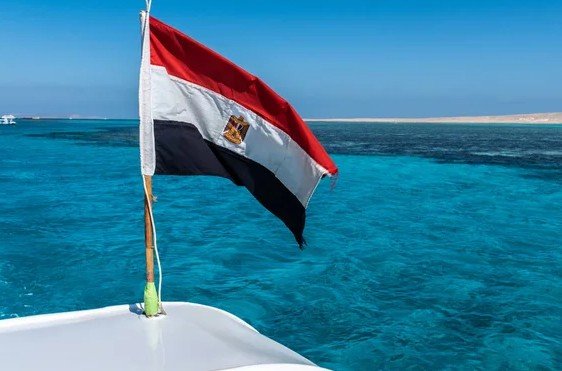
Egypt issued a sharp statement on December 27, 2025, rejecting Israel’s action as a violation of international law. The foreign ministry called it a “blatant infringement” on Somalia’s territorial integrity and the UN Charter.
Officials in Cairo warned that such unilateral steps could fuel instability in the already volatile Horn of Africa region. They stressed Egypt’s support for a unified Somalia and opposed any efforts to create parallel entities.
This condemnation reflects Egypt’s concerns over Red Sea security, especially with ongoing rivalries involving Ethiopia and other neighbors. Egypt has been vocal about protecting Somali sovereignty in recent diplomatic talks.
The statement also highlighted risks to international peace, urging global bodies to intervene. Egypt’s position echoes its long-standing role as a mediator in African affairs.
Egypt reaffirmed its commitment to diplomatic solutions, calling for dialogue to resolve disputes without outside interference.
Reactions from Other Nations
Somalia quickly demanded that Israel reverse its decision, labeling it an act of aggression. Somali officials claimed the recognition aims to disrupt regional balance and even suggested links to plans for displacing Palestinians.
Turkey and Djibouti joined the criticism, calling it a dangerous precedent that threatens stability. They argued it ignores Somalia’s opposition to secession and could spark new conflicts.
The African Union and Arab League expressed solidarity with Somalia, emphasizing the need to respect colonial-era borders to avoid border disputes.
Sudan also condemned the move, warning of violations to international covenants. These responses show a united front against actions that could redraw maps in Africa.
- Somalia: Demands immediate withdrawal of recognition, sees it as a threat to unity.
- Turkey: Calls it harmful to Horn of Africa peace, pledges support for Somalia.
- Djibouti: Warns of instability and potential for wider regional unrest.
- African Union: Reaffirms commitment to territorial integrity across the continent.
Background on Somaliland’s Quest for Independence
Somaliland broke away from Somalia in 1991 after years of conflict and has since built a stable government. It holds regular elections and maintains relative peace compared to Somalia’s ongoing struggles with insurgency.
Despite these achievements, Somaliland lacks broad recognition due to fears of encouraging other separatist movements in Africa. The region relies on ports like Berbera for trade, which has attracted interest from countries like the UAE and Ethiopia.
In January 2024, Ethiopia signed a deal with Somaliland for sea access, which also drew condemnation from Somalia and Egypt. That agreement heightened tensions, leading to threats of naval blockades.
Recent events, including Israel’s recognition, build on these dynamics. Somaliland’s push for statehood gained momentum through lobbying and strategic partnerships.
Experts note that while Somaliland functions independently, international law prioritizes Somalia’s unity. This creates a complex legal and political challenge.
The region’s location near vital shipping routes makes it a hotspot for global powers.
Potential Impacts on Regional Stability
Israel’s recognition could reshape alliances in the Horn of Africa, potentially isolating Somalia further. It might encourage other nations to follow suit, though most have stayed silent so far.
For Somalia, this poses risks to its fragile federal system and efforts to combat groups like Al-Shabaab. Increased foreign involvement could complicate peacekeeping missions.
Egypt worries about ripple effects on Nile water disputes with Ethiopia, seeing this as part of broader power plays. The Red Sea’s importance for trade amplifies these concerns.
On the positive side, recognition might boost Somaliland’s economy through new investments. However, it risks escalating proxy conflicts among major players like China, which backs Somalia.
| Key Factor | Potential Impact | Affected Parties |
|---|---|---|
| Security | Heightened tensions, possible arms buildup | Somalia, Ethiopia, Egypt |
| Economy | New trade routes and investments | Somaliland, Israel |
| Diplomacy | Shift in alliances, pressure on UN | African Union, Arab League |
| Stability | Risk of conflict spillover | Horn of Africa nations |
Analysts predict diplomatic efforts will intensify in coming weeks to de-escalate. The UN Security Council may address the issue soon.
Looking Ahead: Calls for Dialogue
As reactions pour in, the focus turns to preventing escalation. Egypt has proposed talks among regional leaders to reaffirm commitments to sovereignty.
This event ties into larger trends, such as the Abraham Accords expanding Israel’s influence in Africa. It also highlights ongoing debates over self-determination versus territorial integrity.
For now, the international community watches closely, with many urging restraint. The coming days could see more statements from global powers like the US and EU.
What do you think about this development? Share your views in the comments and spread the word to keep the conversation going.
