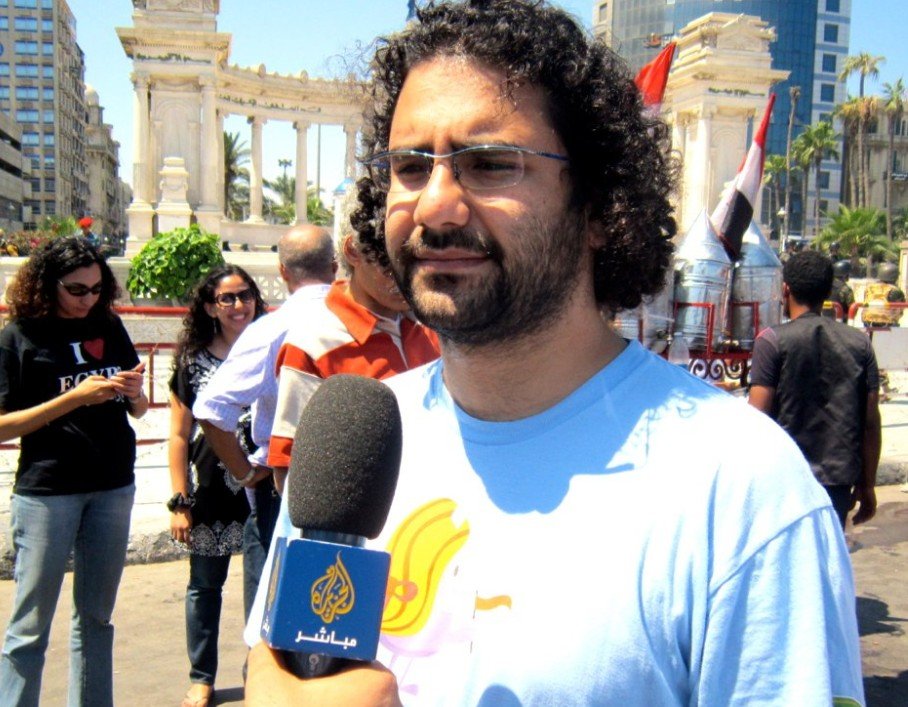
British Prime Minister Keir Starmer announced on December 26, 2025, that Egyptian-British activist and blogger Alaa Abd El-Fattah has safely returned to the United Kingdom after years of imprisonment in Egypt. The 44-year-old, known for his sharp criticism of the Egyptian government, reunited with his family in London following a presidential pardon and the lifting of a travel ban, marking the end of a long ordeal that drew global attention.
Background on Alaa Abd El-Fattah’s Activism and Imprisonment
Alaa Abd El-Fattah first gained prominence during the 2011 Arab Spring uprising in Egypt, where he used his blog and social media to rally against corruption and push for democratic reforms. His outspoken views led to multiple arrests over the years, totaling nearly 12 years behind bars under different regimes.
Authorities detained him again in 2019 on charges of spreading false news and joining a terrorist group, which many international observers called politically motivated. During his time in prison, Abd El-Fattah staged several hunger strikes to protest harsh conditions and demand his release. These actions highlighted broader issues of human rights in Egypt and sparked campaigns from groups like Amnesty International.
His case became a symbol of resistance against authoritarian rule. Supporters around the world, including celebrities and politicians, called for his freedom, emphasizing how his detention reflected crackdowns on free speech.
Family members, especially his mother Laila Soueif and sister Sanaa Seif, played key roles in keeping his story alive through protests and media outreach. Their efforts built a global network that pressured leaders to act.
The Presidential Pardon and Release Process
Egyptian President Abdel Fattah el-Sisi issued a pardon for Abd El-Fattah in September 2025, along with five other prisoners. This move came after sustained international pressure, including from the UK government and the United States.
The pardon allowed his release from prison, but a travel ban kept him in Egypt until December 20, 2025, when authorities lifted it. This delay added to the family’s anxiety, as they worried about potential setbacks.
Once free to leave, Abd El-Fattah boarded a flight on Boxing Day and arrived in the UK that same day. Officials described the process as smooth, with no reported issues during travel.
This pardon fits into a pattern of recent Egyptian actions, such as releasing other dissidents amid economic talks with Western nations. For instance, Egypt has sought foreign aid and investments, which some link to these goodwill gestures.
Emotional Reunion and Family’s Long Fight
Upon landing in London, Abd El-Fattah embraced his family in a moment of joy after years of separation. His son, now a teenager, had grown up largely without him due to the prolonged detention.
Laila Soueif, who staged a sit-in outside Downing Street earlier in 2025, expressed overwhelming relief. She had met with Starmer in February to plead for intervention, highlighting the personal toll on their family.
The reunion underscores the human cost of political imprisonment. Abd El-Fattah’s health suffered from hunger strikes, and he now faces recovery while adjusting to life outside prison.
Supporters shared stories of his resilience, noting how he continued writing and inspiring others even from behind bars. His book, published during detention, became a bestseller in activist circles.
Reactions from UK Leaders and International Community
Prime Minister Keir Starmer hailed the return as a top priority for his government since taking office in 2024. He thanked President el-Sisi and praised the campaigners who never gave up.
Foreign Secretary David Lammy, who had advocated for Abd El-Fattah during his opposition days, echoed the sentiment, calling it a victory for diplomacy.
International reactions poured in quickly. The US State Department welcomed the news, tying it to ongoing human rights discussions with Egypt. Groups like Human Rights Watch urged more releases of political prisoners.
Here are some key statements from leaders:
- Keir Starmer: “This is a profound relief for Alaa’s family and all who fought for him.”
- Amnesty International: “Alaa’s freedom shows the power of global solidarity, but many others remain detained.”
- Egyptian officials: Described the pardon as part of broader reconciliation efforts.
Public sentiment on social media reflected widespread support, with hashtags trending in celebration of his homecoming.
Impact on UK-Egypt Relations and Human Rights
Abd El-Fattah’s case has influenced diplomatic ties between the UK and Egypt. Britain provides aid to Egypt and cooperates on security, but human rights concerns have strained relations.
The successful resolution could pave the way for stronger partnerships, especially in trade and migration issues. Recent events, like Egypt’s role in regional stability amid Middle East tensions, add context to this development.
On the human rights front, advocates hope this sets a precedent. Egypt holds thousands of political prisoners, and international pressure continues for reforms.
| Key Milestones in Alaa Abd El-Fattah’s Journey | Date | Description |
|---|---|---|
| Initial Arrest During Arab Spring | 2011 | Detained for blogging about protests against Mubarak regime. |
| Release and Re-arrest Under el-Sisi | 2013-2019 | Freed briefly, then jailed again for criticizing the government. |
| Hunger Strikes Begin | 2022 | Protested prison conditions, gaining worldwide attention. |
| Presidential Pardon | September 2025 | Granted freedom after global campaigns. |
| Travel Ban Lifted | December 20, 2025 | Allowed to leave Egypt. |
| Return to UK | December 26, 2025 | Reunited with family in London. |
This timeline shows the persistence needed to secure his release.
What Happens Next for Abd El-Fattah
Now back in the UK, Abd El-Fattah plans to focus on recovery and family. He holds British citizenship through his father, which aided diplomatic efforts.
Experts predict he will resume advocacy, perhaps through writing or speaking engagements. His experience could inform discussions on global human rights.
The UK government has offered support for his reintegration, including health services if needed. Meanwhile, his story inspires ongoing fights against injustice worldwide.
Share your thoughts on this inspiring return in the comments below, and spread the word by sharing this article with others interested in human rights stories.