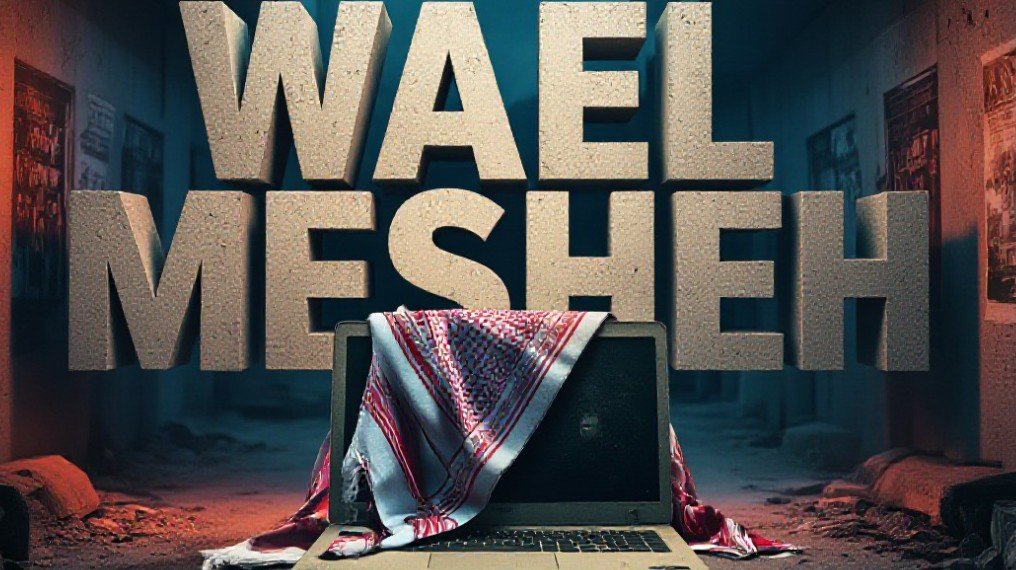
Wael Mesheh had a simple plan for his future before the war and prison changed everything. The 17 year old wanted to study computer science and escape the poverty of his refugee camp. Instead of a keyboard, he died holding a weapon.
An Israeli drone strike killed the teenager in the Balata refugee camp near Nablus in August 2024. His death marks a grim trend where young Palestinian students transform into hardened fighters. Wael’s journey from a hopeful student to a casualty of war exposes the deep trauma defining a generation in the occupied West Bank.
From classroom dreams to prison cells
Wael grew up in the narrow alleys of the Balata refugee camp. This is the largest camp in the West Bank and is known for its overcrowding and poverty. Despite the harsh conditions, Wael had ambitions. His father Belal recalls a boy who was obsessed with technology. Wael spoke often about attending university to become a computer programmer. He believed education was his ticket out of the conflict.
That dream began to fade when Israeli forces arrested him. Like many boys in the camp, soldiers accused him of throwing stones. He was still a minor when he entered the military detention system. The experience inside the prison walls altered his personality. Family members say the boy who went in was not the same one who came out.
Fast Facts: Balata Refugee Camp
- Location: East of Nablus, Northern West Bank
- Population: Approximately 30,000 registered refugees
- Density: One of the most densely populated camps in the region
- Conditions: Frequent military raids and high unemployment
The psychological impact of detention on minors is profound. Wael spent months locked away from his family and his studies. He missed crucial time in school. The harsh environment of the prison replaced his textbooks with lessons in survival and anger.
The turning point of freedom
Wael was released in November 2023. He was part of a high profile prisoner exchange deal between Israel and Hamas during a brief truce in Gaza. Crowds cheered as the buses brought the young prisoners back to the West Bank. But Wael did not return to his old life.
The trauma of prison and the ongoing war in Gaza fueled a desire for revenge. Wael told his friends that normal life was no longer possible. He felt a duty to fight for his people. The death of his friends and relatives in the camp added to his grief. He had seen five people close to him killed by Israeli fire in just a few years.
His father tried to steer him back toward education. Belal hoped his son would pick up his studies where he left off. But the pull of the armed groups in the camp was too strong. Wael joined the Qassam Brigades soon after his release. He traded his dream of coding for the reality of urban combat.
This shift is common among released child prisoners.
- They often feel guilt for being free while others suffer.
- They struggle to reintegrate into schools that cannot handle their trauma.
- Armed groups offer them a sense of purpose and belonging.
- They view fighting as the only way to end the military occupation.
A violent end in the alleyways
The violence in the West Bank surged alongside the war in Gaza. Israeli military raids into Nablus and Balata became a near daily occurrence. The army states these operations target terrorists planning attacks on Israeli civilians. For the residents of Balata, these raids bring destruction and fear.
Wael was active in the defense of the camp. He stood guard at night and monitored the movement of army jeeps. In August 2024, an Israeli drone spotted a group of fighters in the camp. The strike was precise and deadly.
Wael Mesheh was killed instantly alongside another fighter. He was only 17 years old. The strike ended any remaining hope that he might one day return to his computer studies. His death sparked anger and mourning throughout Nablus. Thousands marched in his funeral procession. They chanted his name and vowed to continue the resistance.
The drone strike that killed him is part of a new tactic. Israel increasingly uses aerial weapons in the West Bank. This strategy minimizes risk to their soldiers but often results in high casualties among Palestinians.
A generation defined by loss
The story of Wael Mesheh is not unique. It is the story of hundreds of young men in the West Bank. They grow up surrounded by checkpoints and raids. They bury their friends before they graduate high school. This cycle of violence creates a deep sense of hopelessness.
Parents in the camp feel helpless. They watch their children drift away from schools and toward the armed groups. Belal Mesheh now sits by a large poster of his son. He mourns the programmer who never was. He mourns the boy who loved technology but died with a rifle.
The conflict consumes the potential of the youth. Every time a teenager is killed, the community loses a future doctor, teacher, or engineer. The death of Wael serves as a painful reminder that the conflict kills not just people, but futures.
Peace seems distant for the residents of Balata. The raids continue and the anger grows. New posters of young “martyrs” go up on the walls every week. The children playing in the alleys look up at these faces. They do not see tragic victims. They see heroes. And so the cycle prepares to repeat itself once again.
The life of Wael Mesheh was short and full of turbulence. His transition from a student with big dreams to a fighter in the alleys of Balata captures the tragedy of the region. A computer programmer was lost to the war, leaving behind only a grieving family and a poster on a wall.