The United States has shuttered its embassies in Saudi Arabia and Kuwait following direct Iranian strikes, marking a significant escalation in regional tensions fueled by the ongoing Israeli-US conflict. The State Department has also ordered the departure of non-emergency staff from several other Gulf nations, including Bahrain, Iraq, Jordan, Qatar, and the United Arab Emirates. This move comes as Saudi Aramco, the world’s largest oil producer, attempts to divert some crude oil exports due to the heightened security risks.
Embassy Attacks and Regional Response
Early Tuesday, two drones targeted the US Embassy in Riyadh, Saudi Arabia, triggering a small fire and causing minor damage. A Saudi defense ministry spokesperson confirmed the attack, stating initial assessments indicated limited damage to the embassy building. Witnesses reported seeing fire engines responding to the scene. Simultaneously, the US Embassy in Kuwait also came under attack, prompting its immediate closure.
The US State Department swiftly responded, prioritizing the safety of its personnel. The decision to evacuate non-emergency staff from multiple countries underscores the widespread concern over potential further attacks. This isn’t simply a diplomatic precaution; it’s a clear signal of the perceived threat level.
Aramco Reroutes Exports Amidst Rising Instability
The escalating conflict is already impacting global energy markets. Saudi Aramco is actively working to reroute some of its crude oil exports to mitigate the risk of disruption. While the company has not disclosed the extent of the rerouting, industry analysts suggest it’s a proactive measure to ensure continued supply in a volatile environment.
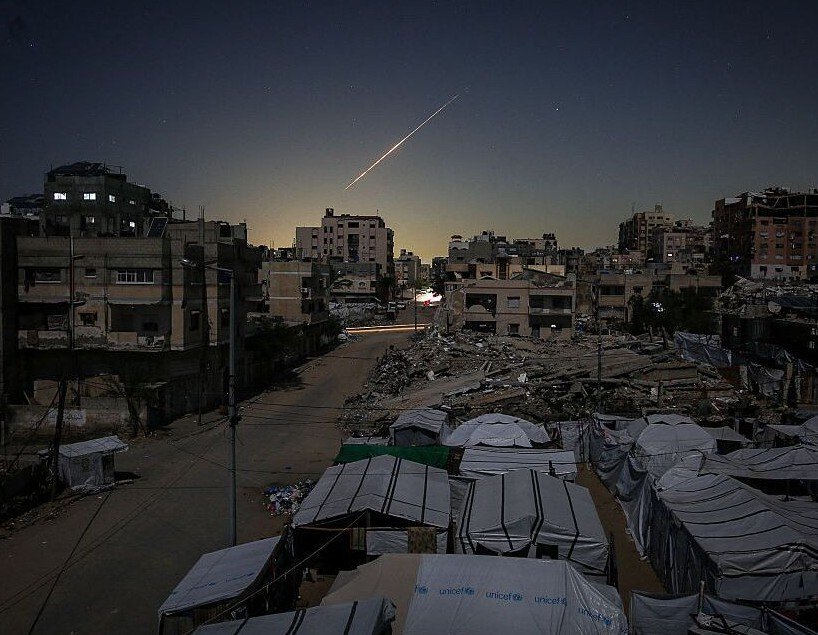
This shift in export strategy highlights the vulnerability of critical infrastructure in the region and the potential for significant economic consequences. The Strait of Hormuz, a vital shipping lane for oil, remains a key point of concern. Any disruption to traffic through the strait could send oil prices soaring.
Iran’s Retaliation and the Broader Conflict
These attacks are widely seen as Iran’s response to the ongoing Israeli-US conflict and, specifically, recent actions targeting Iranian interests. Tehran has repeatedly vowed to retaliate for perceived aggression and has signaled its willingness to act through proxies and direct attacks.
The strikes represent a direct challenge to US interests in the region and raise fears of a wider escalation. Experts warn that the situation is incredibly fragile and could quickly spiral out of control. Diplomatic efforts to de-escalate tensions are ongoing, but the prospects for a swift resolution appear dim.
What’s Next for US Diplomacy in the Gulf?
The closure of embassies and evacuation of personnel represent a significant setback for US diplomatic efforts in the Gulf. Maintaining a strong presence in the region is crucial for Washington’s strategic interests, including counterterrorism efforts and ensuring regional stability.
However, the current security environment makes it increasingly difficult to operate effectively. The US is now faced with the challenge of balancing its commitment to the region with the need to protect its personnel and assets. This may involve increased reliance on remote diplomacy and closer coordination with regional partners. The situation demands a careful and measured response to avoid further escalation while safeguarding US interests.