
As Iran’s ballistic missiles continue to fly toward Israel, sirens in cities like Tel Aviv and Jerusalem have become a daily blast of fear. Amid this, something unexpected is happening underground. In the very bomb shelters meant to save civilians, hundreds of Israelis are dancing, singing, and even marking the Purim holiday with music and festivities as air raid alerts sound above. This powerful act of defiance is spreading around the country and capturing global attention for its blend of fear, resilience and community spirit.
Missile Alerts and Purim Behind Walls
The ongoing conflict between Israel and Iran has morphed into one of the most tense chapters in recent Middle East history. After a coordinated United States and Israeli military strike on Iran on February 28, Iran launched multiple waves of missile attacks toward Israeli cities. Millions of Israelis have been forced into bomb shelters as sirens sound across the country.
Each shelter is a mix of necessity and community. Long, echoing tunnels of underground stations and parking garages once filled with parked cars are now occupied by residents carrying mattresses, food and their holiday costumes.
On March 2nd, what would normally be boisterous street parades and costume contests for the Jewish holiday of Purim instead took place below ground. Revelers embraced the traditional customs of Purim including the reading of the Book of Esther while missiles were intercepted overhead.
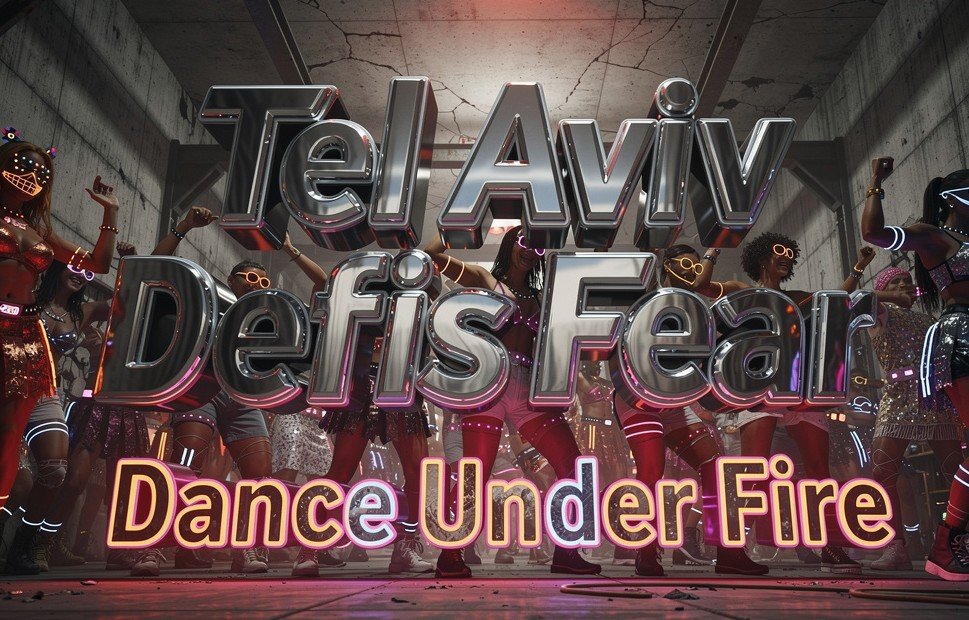
Bomb Shelter Raves and Music Therapy
What has captured the world’s attention is how these shelters have transformed. Videos, photos and firsthand accounts show Israelis dancing to loud electronic music, turning concrete rooms into spaces where young and old alike try to reclaim a sense of life amid danger. One shelter in Tel Aviv became like a makeshift club with a speaker, strobe light, and hundreds of dancing people.
These gatherings are not described by participants as simple parties. Instead, people say they offer release and a way to cope with fear. Dancing music also carries historical weight for a country with a rich electronic music culture. Some say this form of communal movement pushes back against the terror and refuses to let fear dictate life.
Psychologists note that communal music, dance and ritual can help reduce stress and trigger feelings of unity and hope. In these bomb shelters, strangers hold hands, sing together, and support one another — an emotional bond that is deeply human in moments of crisis.
Tradition and Resilience Side by Side
The shift of Purim from open streets into bomb shelters marks a unique moment in how cultural traditions adapt to conflict. Purim’s story itself tells of a people facing a threat of annihilation and choosing survival and joy. This year, the meaning of the holiday seems amplified.
Parents read the traditional texts, children wear costumes, and families share treats like hamantaschen, but always with frequent pauses to respond to air raid sirens. It is a fragile mixture of celebration and vigilance.
Some families have organized smaller, decentralized readings and celebrations in private shelters to maintain safety while observing religious customs. Volunteers have coordinated to make sure essential Purim rituals continue throughout the day.
Civilian Spirit Under Fire
The persistence of these celebrations highlights both a cultural and psychological stance. Israeli officials have reported that many of the incoming Iranian missiles are intercepted by air defense systems, but the threat remains real and constant.
This environment of danger has led to stricter public orders, including limits on large gatherings and the nationwide closure of some businesses and schools under a state of emergency.
Still, within these constraints, people are adapting. Shelters, whether in metro stations or reinforced home safe rooms, have become spaces not just for survival but for community. Some young adults even bring music equipment, lights and snacks to lift spirits, a symbolic reclaiming of joy.
How the World Sees It
International reaction to these scenes has been deeply varied. For many observers outside the region, dancing in a war shelter seems surreal or difficult to understand. For Israelis living through frequent missile alerts, it has become a powerful statement: life continues even when threatened.
Experts on conflict and trauma say that such acts of shared joy in high stress are not about ignoring danger but about building a community’s emotional strength. These spontaneous gatherings can strengthen social bonds and remind people of collective identity in the face of shared adversity.
In cities like Tel Aviv and Jerusalem, the music, laughter and even moments of dance beneath the rumble of sirens are becoming part of the narrative of resilience. They highlight how deeply human beings seek connection, normalcy and expressions of hope even when their world feels uncertain.
As Iran’s missile threats continue and regional tensions remain high, these bomb shelter celebrations are likely to remain a vivid visual in the global news. They are complex and emotional — not simply about revelry but about asserting life in times of fear and conflict.
This story of courage beneath the ground resonates beyond borders and reminds us that even amid danger, people find ways to live, to celebrate and to hold on to hope. Readers are encouraged to share their thoughts on these remarkable scenes of resilience and, if engaging on social platforms, use the hashtag #TelAvivShelterSpirit to connect around the world.
