
Egypt and Russia used a high-level meeting in Cairo to zero in on Libya’s stalled political track, while also touching the raw nerves of Gaza and Sudan. The talks signaled steady coordination at a moment when the region feels tight, tense, and one misstep away from wider trouble.
Egyptian President Abdel Fattah el-Sisi received Russian Foreign Minister Sergey Lavrov in Cairo on Monday, December 22, placing Libya firmly on the agenda. The meeting unfolded against a crowded regional backdrop, with Gaza and Sudan also demanding attention, but Libya kept resurfacing, again and again.
Officials from both sides filled the room. Egypt’s Foreign Minister Badr Abdel Atty attended, as did Russia’s Deputy Foreign Minister Sergey Vershinin. Moscow’s delegation included Ambassador Georgy Borisenko, MENA department chief Alexander Kinshchak, and section director Mikhail Dzhirgenya.
According to Egypt’s presidency spokesperson, the talks were wide-ranging but focused, mixing immediate crises with longer-running files that just won’t go away.
Libya Back on the Table, Again
Libya’s political deadlock was discussed as a core concern, officials said. Cairo and Moscow both see the country as too important to drift, too fragile to ignore.
For Egypt, Libya is right next door. Instability there spills across borders, whether through arms flows, irregular migration, or energy risks. Russia, meanwhile, keeps a close eye on Libya’s strategic coastline and its role in North Africa.
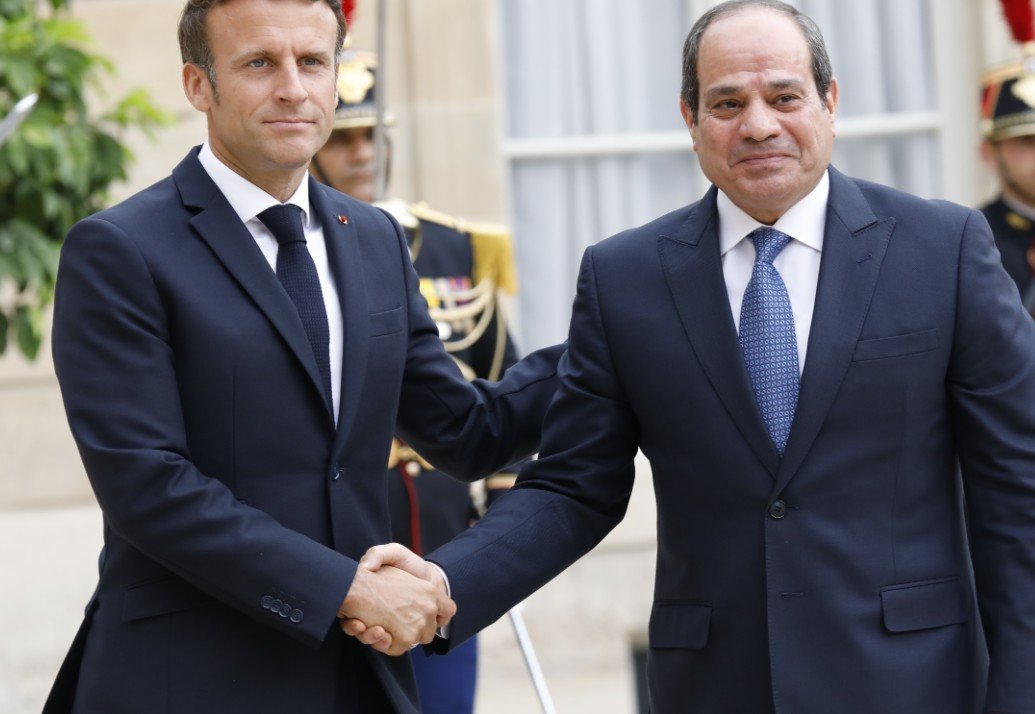
The two sides stressed the need to preserve Libya’s sovereignty and territorial integrity, language that has become familiar but still matters. It hints at resistance to foreign meddling and at least some shared ground on keeping Libya from fracturing further.
One official familiar with the discussions said the tone was calm, almost sober. No fireworks. No dramatic announcements. Just a sense that Libya can’t be allowed to slide into another lost year.
Gaza and the Call to Stop the Fighting
Gaza came up early in the talks and stayed there. The war, now grinding on with heavy civilian costs, has pushed regional diplomacy into overdrive.
Both Egypt and Russia emphasized the urgency of stopping the fighting and stabilizing the ceasefire. Preventing escalation, officials said, was a shared priority.
Egypt’s role as a mediator gives Cairo extra weight here, while Russia’s diplomatic posture adds another channel to the mix. The language used was firm but measured, reflecting a desire to cool things down rather than inflame already hot tempers.
There was also a broader point made, almost philosophical in tone.
Respect for state sovereignty, territorial integrity, and the rights of peoples to their own resources was stressed. In plain terms, that’s a pushback against chaos, occupation, and endless cycles of retaliation.
Sudan, Borders, and a Nervous Neighborhood
Sudan, still grappling with conflict and humanitarian strain, rounded out the regional discussion.
Egypt has long ties to Sudan, and its stability is closely linked to Nile security and border calm. Russia, too, has interests there, diplomatic and otherwise.
The two sides spoke about preventing spillover effects, especially as Sudan’s crisis drags on. Refugee flows, economic shocks, and armed groups don’t respect borders, and Cairo knows this from experience.
One sentence in the official readout stood out for its simplicity. The emphasis was on preventing escalation in the region.
That short line carries a lot of weight these days.
Who Was in the Room and Why It Matters
The presence of senior officials from both sides underscored the seriousness of the meeting. This wasn’t a courtesy call or a quick photo-op.
Here’s a snapshot of the key participants and their roles:
-
Abdel Fattah el-Sisi – President of Egypt
-
Sergey Lavrov – Foreign Minister of Russia
-
Badr Abdel Atty – Egypt’s Foreign Minister
-
Sergey Vershinin – Russia’s Deputy Foreign Minister
-
Georgy Borisenko – Russian Ambassador to Cairo
-
Alexander Kinshchak – Head of Russia’s MENA Department
-
Mikhail Dzhirgenya – Section Director, MENA Department
Each of these figures carries a piece of the policy puzzle, from regional diplomacy to on-the-ground coordination.
Their combined presence signals that Cairo and Moscow are keeping lines open, even as the region feels increasingly unpredictable.
A Familiar Message, Delivered at a Sharp Moment
At its core, the meeting reinforced a familiar message: dialogue over division, stability over shock, and sovereignty over fragmentation.
To put the discussions into perspective, here’s how the main regional files lined up:
| Issue | Egypt’s Focus | Russia’s Focus |
|---|---|---|
| Libya | Border security, political unity | Strategic stability, diplomacy |
| Gaza | Ceasefire, humanitarian access | De-escalation, international balance |
| Sudan | Regional stability, Nile security | Conflict containment, influence |
The table doesn’t tell the whole story, of course, but it shows where interests overlap and where priorities sit side by side.
One diplomat described the meeting as “steady, not flashy.” That might be exactly the point. In a region used to dramatic turns, quiet coordination can sometimes say more than loud declarations.
The Libyan file, in particular, remains unfinished business. It has been discussed in countless rooms, under countless chandeliers, yet still resists easy answers. Monday’s meeting didn’t solve it, but it kept it alive, present, and pressing.
