Siemens Mobility revealed its advanced Velaro high-speed train to the public in Egypt during the TransMEA 2025 event in Cairo. This milestone happened on November 10, 2025, marking a big step in building one of the world’s largest high-speed rail networks.
Event Highlights from TransMEA 2025
The unveiling took place at the leading transport and logistics exhibition in the Middle East and Africa. Crowds gathered in the outdoor display area to see the train for the first time.
Egypt’s Prime Minister Mostafa Madbouly attended the event, along with key officials and Siemens leaders. They watched as the Velaro train was showcased, highlighting its role in modernizing travel across the country.
This event also featured the first test run of the Desiro HC regional train near Cairo. Both trains are part of a massive project to connect major cities with fast, reliable rail service.
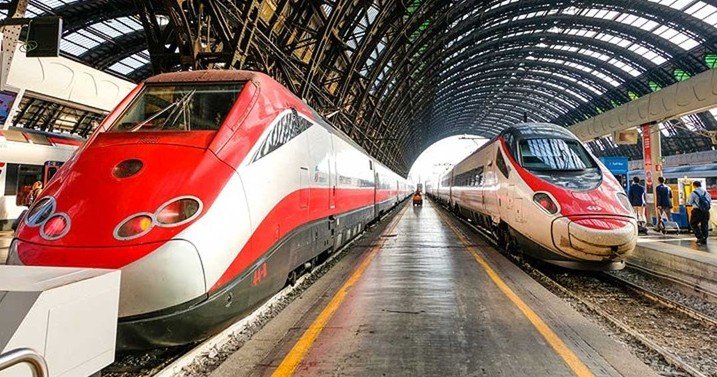
Key Features of the Velaro High-Speed Train
The Velaro train reaches speeds up to 250 kilometers per hour, making it ideal for long-distance trips in Egypt. It includes 489 seats for passengers and uses technology built to handle harsh desert conditions like sand, heat, and dust.
Strong filtration systems and improved cooling keep the train running smoothly in tough environments. These adaptations ensure safe and comfortable rides even in extreme weather.
Engineers designed the train with advanced materials to resist wear from sandstorms. This focus on durability sets it apart from standard high-speed trains used elsewhere.
Here are some standout features:
- Top speed of 250 km/h for quick travel between cities.
- Seating for 489 passengers with modern comforts.
- Special filters to block sand and dust.
- Enhanced air conditioning for hot climates.
Details on the Desiro HC Regional Train
The Desiro HC train completed its first run on new tracks west of Cairo. It can carry up to 849 passengers and travels at speeds up to 160 kilometers per hour.
This train includes air conditioning, wheelchair access, and safety systems like ETCS Level 2 protection. It is tailored for Egypt’s climate, ensuring reliability on regional routes.
Siemens plans to supply 94 of these trains for the network. They will serve lines connecting Cairo to places like Alexandria and Ain Sokhna.
The test run near the 6th of October Depot showed the train’s smooth performance. Officials praised its design for boosting daily commuting.
Experts say these trains will cut travel times and reduce road congestion. This could change how people move around Egypt for work and leisure.
Egypt’s Ambitious High-Speed Rail Network
Egypt is building a 2,000-kilometer high-speed rail system, set to become the sixth largest in the world. It will link major cities and reach about 90 percent of the population.
The project includes three main lines, with the Green Line known as the “Suez Canal on Rails.” This 660-kilometer route connects the Red Sea to the Mediterranean coast.
Siemens won the contract in 2021 to provide 41 Velaro trains, 94 Desiro HC trains, and 41 Vectron locomotives. The full network aims to transform tourism and the economy.
| Component | Details | Quantity | Purpose |
|---|---|---|---|
| Velaro High-Speed Train | Up to 250 km/h, desert-adapted | 41 | Long-distance travel |
| Desiro HC Regional Train | Up to 160 km/h, high capacity | 94 | Regional commuting |
| Vectron Locomotives | Freight and passenger support | 41 | Network operations |
| Total Network Length | 2,000 km across three lines | N/A | Connect major cities |
This table shows the key elements of the rail project. It highlights how each part contributes to the overall system.
Statements from Leaders and Experts
Prime Minister Madbouly called the unveiling a proud moment for Egypt’s progress. He noted how the trains will boost industry and create jobs.
Siemens CEO Roland Busch said the project shows strong partnership between Germany and Egypt. He stressed the trains’ role in sustainable transport.
Transport Minister Kamel El-Wazir highlighted the network’s potential to cut pollution and improve safety. Experts agree it could attract more tourists by making sites like the pyramids easier to reach.
Recent events, like similar rail upgrades in Saudi Arabia, show a regional trend toward high-speed travel. Egypt’s project builds on this momentum for economic growth.
Impact on Travel and Economy
The new trains promise to shorten trips, such as from Cairo to Aswan in just four hours. This speed will make tourism more appealing and help businesses move goods faster.
By connecting remote areas, the network could reduce inequality and support growth in smaller towns. It also promotes eco-friendly travel over cars and planes.
Challenges remain, like maintaining tracks in desert areas, but Siemens’ 15-year maintenance deal addresses this. Overall, the project positions Egypt as a leader in African rail innovation.
Looking Ahead to Full Operations
Testing and rollout will continue through 2025, with full service expected soon after. This follows global trends, like China’s expanding high-speed lines, inspiring Egypt’s efforts.
The trains could integrate with other transport modes for seamless journeys. As the network grows, it may inspire similar projects in neighboring countries.
Share your thoughts on how this rail project might change travel in Egypt. Comment below or spread the word to friends interested in transportation news.