Saudia is quietly redrawing its international network. Starting in 2026, the Saudi flag carrier will roll out its brand-new Airbus A321XLR fleet on medium-haul routes from Jeddah and Riyadh, signaling a clear shift in how the airline plans to serve Europe, the Indian Ocean, and beyond.
The aircraft may be narrow-body, but the ambition behind them is anything but small.
A new aircraft with a very specific role
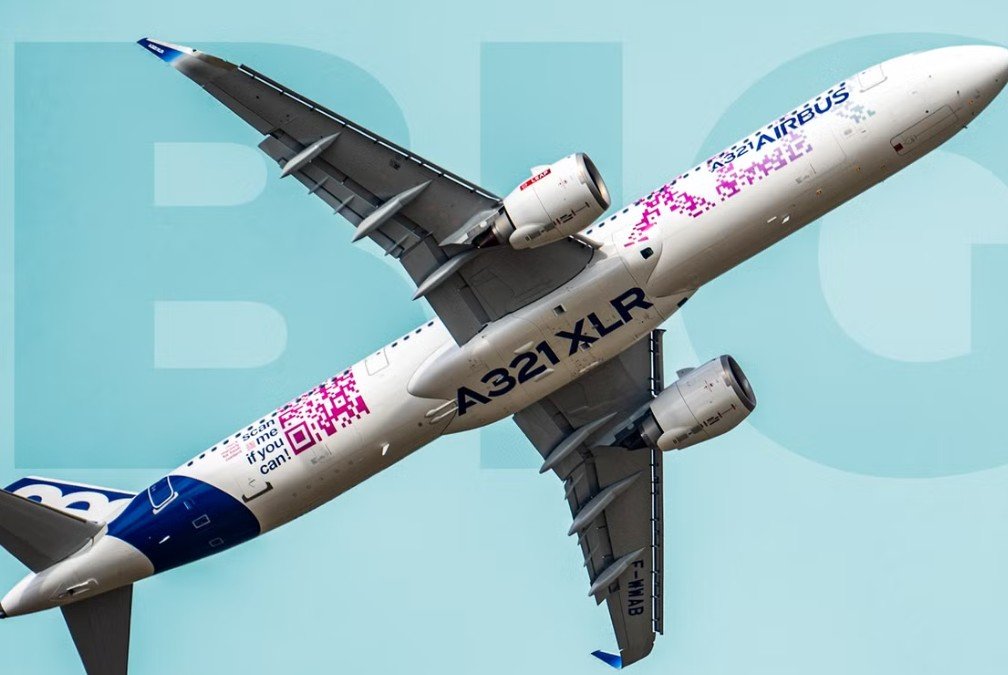
The Airbus A321XLR sits in a sweet spot airlines have chased for years. It flies farther than traditional single-aisle jets while keeping operating costs far below those of wide-body aircraft.
For Saudia, that opens doors.
The airline plans to deploy the 144-seat aircraft on routes that previously required either wide-bodies or shorter-range narrow-bodies pushed to their limits. Each A321XLR will feature a 1-1 business class layout with lie-flat seats, a detail that matters on flights stretching six, seven, even eight hours.
This isn’t about packing more seats.
It’s about flying smarter.
The first routes, city by city
According to schedules first reported by Aeroroutes, Saudia’s initial A321XLR destinations form a clear pattern: strong leisure and business demand, long distances, and consistent year-round traffic.
The first wave of routes includes:
-
Barcelona
-
Geneva
-
Madrid
-
Vienna
-
Athens
-
Male
-
Mauritius
-
Moscow
Services will operate from Jeddah King Abdulaziz International Airport and Riyadh King Khalid International Airport, with flying beginning on select routes from May 2026.
One detail stands out.
These aren’t experimental routes. Saudia already serves many of these cities. The difference lies in the aircraft type now assigned to them.
Vienna gets the first A321XLR flight
The inaugural A321XLR service is scheduled to operate between Jeddah and Vienna.
From May 23, 2026, the route will shift from an Airbus A320 to the new A321XLR, increasing comfort and range capability in one move. Initially, the service will run three times per week.
During the Northern Hemisphere summer peak, between June 21 and September 5, frequencies will rise to four weekly flights.
It’s a modest increase, but a telling one.
Saudia clearly sees Vienna as a test case for how the aircraft performs with passengers, crews, and schedules before expanding further.
Fifteen aircraft, big network implications
Saudia has 15 Airbus A321XLRs on order, all expected to arrive over the coming years. While that number may sound small compared with wide-body fleets, the impact could be significant.
These aircraft are set to gradually replace both narrow-body and wide-body jets on certain international routes. That brings flexibility. It also brings savings.
Flying a wide-body half full is expensive. Flying a long-range narrow-body at high load factors is far more forgiving.
Industry observers say this approach aligns neatly with Saudi Arabia’s broader aviation goals, including expanding inbound tourism while managing costs during fleet growth.
By October 2026, nine routes in total will see the A321XLR in regular service, replacing existing aircraft types currently used by Saudia.
Business class, but not business as usual
The cabin layout deserves attention.
A 1-1 business class configuration with lie-flat seats is unusual on single-aisle aircraft, but it’s becoming more common as airlines chase premium travelers on thinner long-haul routes.
For passengers, that means:
-
Direct aisle access from every business class seat
-
A quieter cabin compared with wide-body aircraft
-
Faster boarding and disembarkation
Economy class, while tighter than on wide-bodies, benefits from newer interiors and improved fuel efficiency that often translates into more stable scheduling.
This isn’t luxury for show.
It’s targeted comfort for routes that don’t justify a bigger aircraft.
What happens to Riyadh flights?
There’s another layer to this story.
As Riyadh Air ramps up its operations, industry expectations suggest Saudia will gradually reduce, and eventually exit, international flying from Riyadh.
If that happens, the A321XLR could act as a bridge aircraft during the transition, keeping Saudia competitive on select routes while Riyadh Air establishes its own long-haul presence.
In that scenario, Jeddah becomes even more central to Saudia’s future, and the A321XLR fits neatly into that strategy.
Quiet changes often matter more than loud announcements.
Why this matters beyond Saudia
The A321XLR is still new, and airlines around the world are watching closely to see how it performs in daily service. Saudia’s route choices offer a glimpse into where airlines believe this aircraft truly shines.
Medium-haul flights. Strong premium demand. Leisure and business blended together.
If these routes perform well, expect others to follow.