Saudi Arabia’s trade surplus climbed to a 16-month peak of 26 billion riyals, or about $7 billion, in September 2025, fueled by strong growth in non-oil exports. Official data from the government’s statistics agency highlights this as part of the Kingdom’s push to diversify its economy away from oil under its long-term plan.
This surge marks a 66 percent jump from the same month a year earlier. Experts point to rising non-oil shipments as a key driver, showing real progress in building new revenue streams amid global market shifts.
Non-Oil Exports Lead the Charge
Non-oil exports, including re-exports, jumped 21.7 percent year-over-year in September 2025. This growth outpaced overall imports, which rose by just 2.8 percent.
The shift boosted the ratio of non-oil exports to imports to 42.5 percent, up from 35.9 percent a year ago. Such gains reflect targeted investments in sectors like manufacturing and technology.
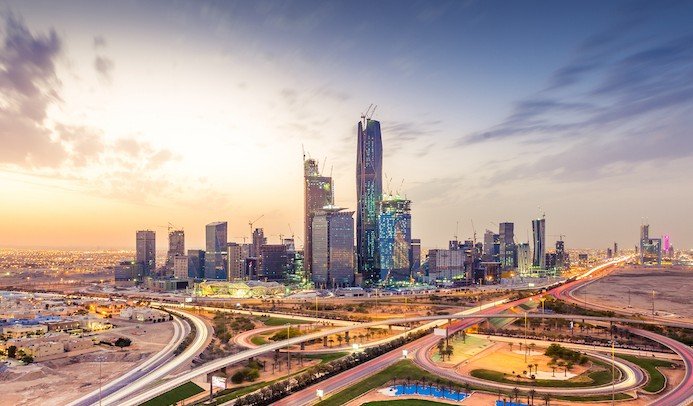
Overall merchandise exports reached 101.4 billion riyals, up 14 percent from last year. Oil exports grew 10.7 percent but made up a smaller share of the total, dropping to 68.4 percent from 70.4 percent.
This balanced performance signals a healthier trade mix, less vulnerable to oil price swings.
Top Destinations for Saudi Goods
Saudi Arabia sent its products to key global markets, with China leading as the biggest buyer. Exports to China hit 14.4 percent of the total, underscoring strong ties in Asia.
The United Arab Emirates and India followed closely, taking 10.7 percent and 10 percent of shipments, respectively. Other notable destinations included South Korea, Japan, and the United States.
For non-oil goods specifically, the UAE topped the list with 9.71 billion riyals worth. India and China received 3.44 billion and 2.90 billion riyals, respectively.
Egypt, Turkiye, the US, and Kuwait also ranked high, showing diverse trade partnerships.
Here are some key non-oil export destinations in September 2025:
-
-
- UAE: 9.71 billion riyals
- India: 3.44 billion riyals
- China: 2.90 billion riyals
- Egypt: 963.6 million riyals
- Turkiye: 904.4 million riyals
-
Key Products Boosting Exports
Machinery and electrical equipment led non-oil exports, making up 25.7 percent of the total. This category soared 102.6 percent from a year earlier, driven by demand for tech and industrial goods.
Chemical products followed at 22 percent, with a modest 2.9 percent increase. These sectors highlight Saudi Arabia’s growing role in global supply chains.
Re-exports played a big part too, jumping 72.2 percent. This shows the Kingdom’s strength as a trade hub in the region.
| Export Category | Share of Non-Oil Exports | Year-Over-Year Growth |
|---|---|---|
| Machinery and Electrical Equipment | 25.7% | 102.6% |
| Chemical Products | 22.0% | 2.9% |
| Other Non-Oil Goods | 52.3% | Varied |
This table illustrates the main drivers behind the export boom.
Import Trends Show Steady Growth
Imports totaled 75.4 billion riyals in September 2025, up 2.8 percent from the previous year. China remained the top supplier, providing 21.23 billion riyals worth of goods.
The United States came second at 6.76 billion riyals, with the UAE at 4.28 billion. India, Germany, and Japan also featured prominently.
King Abdulaziz Sea Port in Dammam handled 25.9 percent of imports, serving as a vital gateway. This moderate import rise helped widen the trade surplus without straining the economy.
Economic Growth Ties to Broader Goals
The trade figures align with a 5 percent GDP growth in the third quarter of 2025. Non-oil activities contributed 2.6 percent to this expansion, marking steady progress.
Business activity hit a high mark, with the purchasing managers’ index at 60.2, the second-highest in over a decade. This points to robust private sector confidence.
Recent events, like new investments in renewable energy and digital industries, support this momentum. For instance, efforts to boost green hydrogen production tie into export diversification.
However, challenges remain, such as fluctuating oil prices prompting some project adjustments. Still, non-oil revenues now form 56 percent of the economy, up from previous levels.
Vision 2030 Drives Long-Term Change
These results advance Saudi Arabia’s Vision 2030, aiming to cut oil dependence by 2030. The plan has already doubled the economy to $1.3 trillion since its launch.
Over 85 percent of targets are met, including relocating 675 company headquarters to Riyadh. Non-oil exports now play a bigger role, with growth seen in quarters leading up to September.
This diversification helps shield against global oil volatility, as seen in recent market dips. Looking ahead, experts predict continued gains if investments in localization and job creation persist.
What do you think about Saudi Arabia’s economic shift? Share your thoughts in the comments and spread this story to spark discussions on global trade trends.