
Saudi-backed forces say they now hold the ground in Yemen’s east after days of clashes and air strikes pushed UAE-aligned fighters out of Mukalla. The shift reshapes control in Hadhramaut, a province that sits at the heart of Yemen’s oil routes and regional rivalries.
Mukalla Changes Hands After a Tense Weekend
The withdrawal unfolded quickly. Fighters linked to the UAE-backed Southern Transitional Council pulled out of Mukalla after Saudi aircraft hit positions across the region, according to state media.
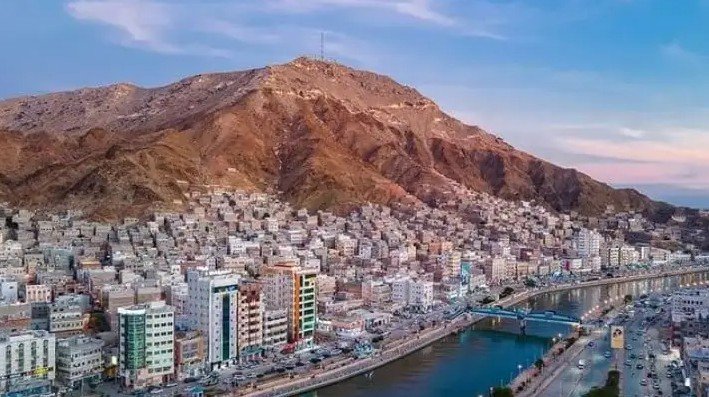
Mukalla matters. It anchors the eastern province of Hadhramaut and hosts critical infrastructure, including the al-Dhabba oil export hub and al-Rayyan International Airport.
Local officials said government forces moved into key sites without prolonged street fighting, suggesting the air campaign had already broken resistance.
One security official, speaking anonymously, described the scenes as “messy but brief,” adding that civilians largely stayed indoors as columns of fighters departed.
Air Strikes and an Offensive With a Clear Aim
Saudi Arabia confirmed it carried out strikes after STC units took territory in December, moves that Riyadh viewed as a direct challenge to the internationally recognised Yemeni government.
The strikes hit several locations, including a military base and the airport area in the city of Seiyun, residents said.
STC sources acknowledged losses, saying several fighters were killed, a rare public admission that hinted at internal pressure.
The sequence of events was blunt:
-
Air strikes softened defensive lines.
-
Government-aligned forces advanced on multiple axes.
-
STC units withdrew to avoid being cut off.
A Yemeni military officer put it more plainly: “They saw the writing on the wall.”
What Full Control Means for Hadhramaut
Governor Salem al-Khanbashi declared that the government now had full control of the province, a statement aimed as much at foreign backers as at domestic audiences.
For Riyadh, securing Hadhramaut helps shield supply routes and limits rival influence along the Arabian Sea.
For Abu Dhabi, the pullback is awkward. The UAE has long supported southern separatists as a counterweight to Islamist groups and rivals, yet open confrontation with Saudi Arabia carries costs.
The province’s assets explain the stakes. A simple snapshot helps frame why Hadhramaut keeps drawing attention:
| Asset | Location | Strategic Value |
|---|---|---|
| Oil export terminal | al-Dhabba | Hard currency, energy leverage |
| International airport | al-Rayyan | Logistics, civilian access |
| Military command | Mukalla outskirts | Regional force projection |
Control of these sites doesn’t end the conflict, but it tilts leverage in talks that never really stop.
Regional Ripples and an Unsettled Calm
The exit from Mukalla does not dissolve the STC, nor does it settle the wider war in Yemen. It does, however, underline how fragile alliances remain.
Saudi Arabia and the UAE share interests, yet their local partners often clash. When that happens, air power and money decide outcomes fast.
Residents in Seiyun reported a tense calm after the strikes, with shops reopening cautiously and checkpoints multiplying.
Analysts say the episode could cool separatist ambitions in the east, at least for now, while shifting pressure back to negotiations that have stalled for months.
What happens next depends on whether the calm holds, or whether today’s withdrawal becomes tomorrow’s regrouping.
