Saudi Arabia is rewriting the rules of charitable giving this Ramadan. The Jood Eskan campaign aims to raise SAR 1.2 billion and enable 8,000 families to own homes, marking one of the largest structured housing charity drives in the region’s history.
What Is the Jood Eskan Campaign
Jood Eskan is not your typical donation drive. It is a government-backed platform that connects donors directly with verified housing needs across Saudi Arabia.
The campaign operates under the Ministry of Human Resources and Social Development. It partners with the National Housing Company and other key institutions to ensure every riyal reaches families who meet strict eligibility criteria.
Here is how the model works:
- Donors contribute through a unified digital platform
- Families are pre-verified based on income, housing status, and social need
- Funds go directly toward home ownership, not temporary aid
- Progress is tracked and reported transparently to donors
This structured approach sets Jood apart from traditional charitable models. Instead of one-time handouts, it builds permanent solutions.
The campaign launched in early Ramadan 2026 and runs throughout the holy month. Officials expect participation from individuals, corporations, and government entities working together toward shared targets.
Why Housing Sits at the Heart of Vision 2030
Housing is more than shelter in Saudi Arabia. It is a pillar of the Kingdom’s ambitious Vision 2030 transformation plan.
Crown Prince Mohammed bin Salman has repeatedly emphasized that home ownership creates social stability. When families own their homes, they invest in communities. They plan for the future. They build generational wealth.
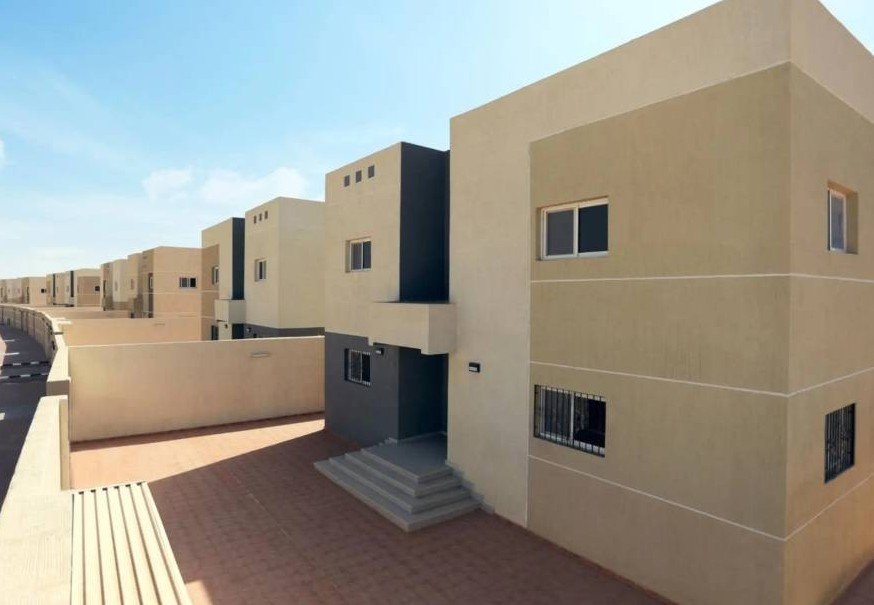
The numbers tell a compelling story. Saudi Arabia aims to increase home ownership rates from around 47 percent in 2016 to 70 percent by 2030. This requires massive public and private investment alongside innovative programs like Jood.
Key housing targets under Vision 2030:
| Goal | Target Year | Status |
|---|---|---|
| 70% home ownership rate | 2030 | In progress |
| 1 million new housing units | 2030 | On track |
| Reduce housing waiting lists | 2025 | Achieved early |
The Jood campaign fills a critical gap. It addresses families who fall outside commercial mortgage eligibility but deserve stable housing. These are working families, widows, orphans, and people with disabilities who need a hand up, not a handout.
How Ramadan Amplifies Saudi Generosity
Ramadan has always been a season of giving in the Muslim world. But Saudi Arabia is channeling that spiritual energy into measurable social impact.
The holy month naturally activates charitable instincts across society. Families share meals with neighbors. Businesses sponsor community iftars. Individuals seek ways to purify their wealth through zakat and sadaqah.
Jood harnesses this cultural momentum. The campaign’s timing is strategic, not coincidental.
Saudi donors contributed over SAR 2.5 billion to various charitable causes during Ramadan 2025. Officials expect 2026 numbers to climb even higher with housing as a focal point.
What makes this year different is the level of coordination. Rather than fragmented giving across hundreds of small charities, Jood creates a unified platform where contributions accumulate toward clear targets.
The emotional resonance runs deep. Many Saudi families remember when housing was a struggle. Grandparents tell stories of modest beginnings. Now, prosperity comes with responsibility to lift others.
“Every Saudi family that gains a home strengthens the entire nation,” one campaign organizer explained during the launch event in Riyadh.
A Model the World Should Watch
International observers often miss the social transformation happening inside Saudi Arabia. They focus on skyscrapers and sports deals while overlooking programs like Jood that reshape daily life.
But housing insecurity is a global crisis. From London to Los Angeles, families struggle to afford stable homes. Governments search for solutions that balance market forces with social needs.
Saudi Arabia is testing something different. It combines three elements that rarely align elsewhere:
Cultural foundation. Ramadan provides a natural activation point that Western secular societies lack. The religious obligation to give creates massive participation without government coercion.
Institutional structure. The campaign operates through verified channels with clear accountability. Donors know exactly where money goes and what it achieves.
Political will. Housing sits at the center of national strategy, not the margins. Leadership treats home ownership as essential infrastructure, like roads or schools.
This combination creates a case study worth examining. Many countries have charitable energy but poor coordination. Others have strong institutions but low public trust. Saudi Arabia is attempting to fuse both.
The Jood model also challenges assumptions about Gulf philanthropy. Critics sometimes dismiss regional giving as performative or elite-driven. This campaign invites ordinary citizens to participate in transforming their neighbors’ lives.
What Success Would Mean for Saudi Society
If Jood Eskan hits its targets, 8,000 families will own homes by the end of Ramadan 2026. That means roughly 40,000 individuals gaining housing security in a single month.
The ripple effects extend far beyond shelter. Children in stable homes perform better in school. Parents with secure housing take entrepreneurial risks. Communities with homeowners invest in local infrastructure.
Home ownership creates a virtuous cycle that compounds over generations.
Saudi officials also see Jood as a proof of concept. If this Ramadan succeeds, future campaigns could scale even larger. The platform infrastructure, verification processes, and partnership networks would already exist.
There is also an accountability dimension. By setting public targets, the campaign invites scrutiny. Success or failure will be measurable. That transparency builds trust for future social initiatives.
The Kingdom is betting that structured generosity outperforms random charity. That connected systems deliver better outcomes than isolated efforts. That housing stability produces returns beyond any single family.
This Ramadan, millions of Saudis will break their fasts and consider how to share their blessings. Many will choose Jood Eskan. They will contribute knowing their riyals become rooms, their generosity becomes homes, and their faith becomes shelter for families who need it most.