Saudi Arabia is turning to cutting edge geospatial AI from IBM’s Zurich lab to tackle climate threats and safeguard its infrastructure. This move, highlighted in recent developments as of December 2025, aims to boost the Kingdom’s ability to predict extreme weather and protect key assets amid rising environmental challenges.
Inside IBM Zurich Lab Innovations
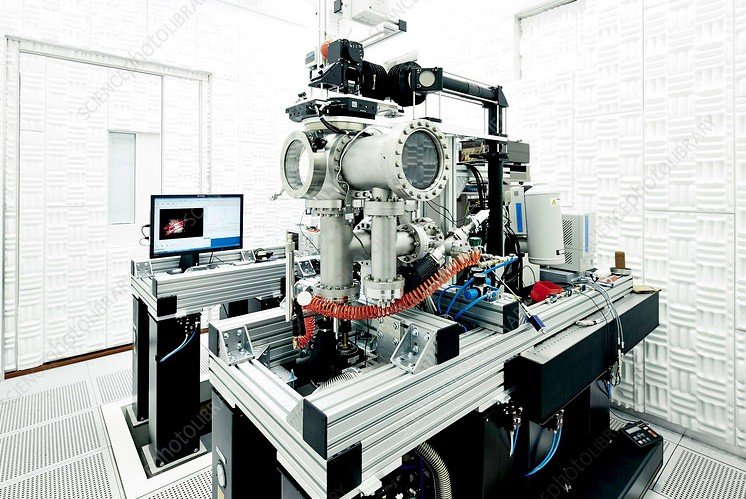
Researchers at IBM’s Zurich facility are pushing boundaries in geospatial AI, blending it with quantum computing to analyze vast satellite data. This work helps nations like Saudi Arabia model climate patterns more accurately than ever before.
The lab focuses on turning raw Earth observation data into actionable insights. For instance, AI models can spot early signs of floods or droughts by processing satellite images in real time. This is crucial for Gulf states facing hotter temperatures and erratic rainfall.
Saudi officials have shown keen interest in these tools, aligning with national goals to build resilient cities and economies. The technology promises faster responses to natural disasters, potentially saving billions in damages.
Experts say these AI systems outperform traditional methods by learning from historical data and predicting future scenarios with high precision.
How Geospatial AI Tackles Climate Risks
Geospatial AI uses machine learning to map and forecast environmental changes. In Saudi Arabia, it could monitor desert expansion or coastal erosion, key issues as global warming intensifies.
One major breakthrough involves foundation models trained on NASA data, allowing for detailed climate simulations. These models help in urban planning, such as designing heat resistant infrastructure in Riyadh or Jeddah.
The Kingdom’s geospatial analytics market is booming, expected to reach 7.7 million dollars by 2033, growing at over 8 percent annually. This surge reflects investments in AI for sustainability.
- Enhanced weather forecasting to predict sandstorms days in advance.
- Real time monitoring of oil fields for environmental hazards.
- Data driven policies for water conservation in arid regions.
Such applications make AI a game changer for protecting national assets from climate volatility.
Saudi Vision 2030 and AI Integration
Saudi Arabia’s Vision 2030 emphasizes tech driven growth, and geospatial AI fits perfectly by supporting green initiatives and smart cities. Partnerships with global labs like IBM’s could accelerate this progress.
Recent forums in the region have discussed AI’s role in reshaping sustainability strategies. For example, events in Al Khobar highlighted how artificial intelligence aids in carbon reduction and resource management.
The Kingdom has already invested in cloud seeding programs to boost rainfall, tying into broader AI efforts for weather control. These steps show a proactive stance against climate change.
Collaborations with tech giants aim to customize AI for local needs, such as modeling Red Sea ecosystems or protecting heritage sites from erosion.
Global Impact of Zurich Breakthroughs
IBM’s Zurich lab is not just aiding Saudi Arabia but influencing worldwide climate strategies. Their work with quantum tech speeds up complex simulations that once took weeks.
In 2025, advancements in AI weather models have predicted events like unprecedented rainfall in the UAE, showcasing the tech’s reliability. Similar tools could help Saudi Arabia anticipate and mitigate floods or heatwaves.
A table below outlines key geospatial AI applications and their benefits:
| Application | Benefit | Example in Saudi Context |
|---|---|---|
| Extreme Weather Modeling | Early warnings reduce losses | Predicting flash floods in Mecca |
| Infrastructure Protection | Identifies vulnerable areas | Safeguarding dams and pipelines |
| Ecosystem Monitoring | Tracks biodiversity changes | Monitoring coral reefs in Red Sea |
| Urban Heat Mapping | Guides cooling strategies | Reducing heat islands in cities |
This global push underscores how Swiss led innovations are vital for international climate resilience.
Challenges and Future Outlook
While promising, implementing geospatial AI faces hurdles like data privacy and high costs. Saudi Arabia must train local experts to fully leverage these tools.
Looking ahead, experts predict wider adoption by 2030, with AI integrating into daily governance. Continued research in Zurich could lead to even more precise models, incorporating real time satellite feeds.
As environmental threats grow, these technologies offer hope for a sustainable future.
Share your thoughts on how AI can shape climate strategies in the comments below, and spread this article to raise awareness about these vital innovations.