
Saudi Arabia is transforming its vast deserts into world-class tourist hotspots through massive investments in Red Sea Global projects. With billions poured into luxury resorts under Vision 2030, the kingdom aims to attract millions of visitors by 2030 while boosting its economy beyond oil.
Vision 2030 Drives Tourism Boom
Saudi Arabia’s Vision 2030, launched by Crown Prince Mohammed bin Salman, seeks to diversify the economy and open the country to global tourism. This ambitious plan includes huge spending on infrastructure, with tourism as a key pillar to create jobs and reduce oil dependence.
Recent updates show the kingdom has already invested over 113 billion dollars in tourism projects. By the end of 2025, officials expect 24 luxury resorts to be operational, drawing international brands like Six Senses and Ritz-Carlton. These efforts tie into broader goals, such as hosting major events and improving visitor experiences.
The push comes amid a regional trend where Middle Eastern countries compete for tourists. Saudi Arabia leads with its focus on sustainable development, aiming for 100 million annual visitors by 2030.
Experts note that social reforms, like greater roles for women in business, have made the kingdom more appealing. Combined with natural attractions like pristine coastlines and deserts, this positions Saudi Arabia as an emerging powerhouse in global travel.
Red Sea Global Leads the Charge
Red Sea Global, backed by the Public Investment Fund, oversees developments in Tabuk Province along the Red Sea coast. This area spans 28,000 square kilometers, featuring untouched islands, beaches, and mountains.
The project emphasizes regenerative tourism, which means building in ways that protect and enhance the environment. For instance, visitor numbers will cap at one million per year to safeguard ecosystems.
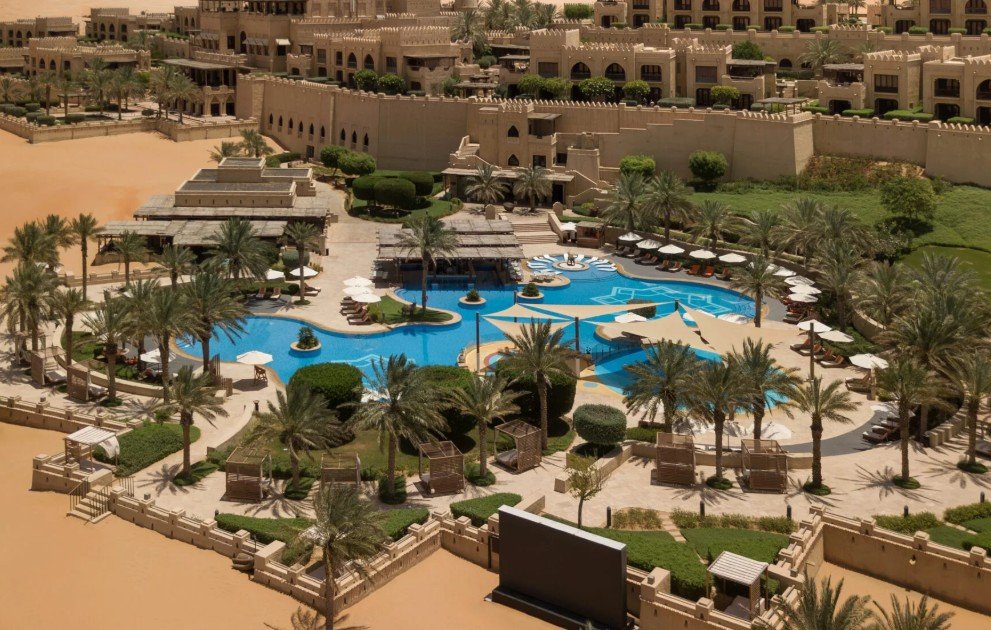
Key highlights include the Desert Rock Resort, carved into natural rock formations for a seamless blend with the landscape. Other spots like Shebara Resort offer overwater villas and private islands, blending luxury with adventure.
Developers plan to add marinas, golf courses, and leisure facilities. By 2030, the area will boast 50 resorts, over 8,000 hotel rooms, and more than 1,000 residential properties.
This scale of investment, totaling 27 billion dollars by 2030, accelerates the kingdom’s tourism vision. It also creates thousands of jobs in hospitality and related sectors.
New Resorts Opening in 2025 and Beyond
Six luxury resorts have launched recently, with two more set for late 2025. Looking ahead, eight additional ones will open in 2026, building momentum toward the 2030 target.
These resorts cater to high-end travelers seeking unique experiences. For example, the Six Senses Southern Dunes provides oasis-like retreats amid dunes, while St Regis and Ritz-Carlton properties offer beachfront luxury.
To give a clear overview, here is a table of select upcoming resorts and their key features:
| Resort Name | Location | Opening Year | Key Features |
|---|---|---|---|
| Shebara Resort | Red Sea Coast | 2024 | Overwater villas, private beaches |
| Desert Rock Resort | Tabuk Desert | 2024 | Rock-integrated design, adventure activities |
| Six Senses Southern Dunes | Inland Dunes | 2025 | Spa retreats, sustainable architecture |
| Nujuma Ritz-Carlton Reserve | Islands | 2025 | Exclusive islands, yacht access |
This expansion aligns with global trends in eco-luxury travel. Visitors can expect activities like diving in coral reefs, desert safaris, and cultural tours.
Planners have incorporated advanced tech for sustainability, such as solar power and water conservation systems. These features appeal to environmentally conscious tourists.
Economic Impact and Challenges
The tourism surge is expected to add billions to Saudi Arabia’s GDP. Officials project it will create over a million jobs by 2030, from hotel staff to tour guides.
Recent events, like the Turaiz International Tourism Forum in Riyadh, highlight the kingdom’s growing role in global travel discussions. Investments in airports and cultural sites further support this growth.
However, challenges remain. Balancing rapid development with environmental protection is crucial. Some critics worry about overdevelopment, but caps on visitors aim to address this.
On the positive side, the projects have drawn international praise for innovation. For instance, partnerships with global architects ensure designs respect local heritage.
Global Appeal and Future Prospects
Saudi Arabia’s new hotspots are gaining buzz among travelers. Social media posts showcase stunning visuals of resorts like Desert Rock, attracting adventure seekers and luxury lovers.
Compared to neighbors like Dubai, Saudi offers more untouched natural beauty. This could position it as a top destination for those seeking authentic experiences.
Looking forward, the 2026 budget boosts infrastructure, including better transport links to Tabuk Province. This will make access easier for international visitors.
Key benefits for tourists include:
- Pristine Red Sea diving spots with vibrant marine life.
- Luxury accommodations integrated into natural landscapes.
- Cultural immersion in ancient sites and modern developments.
- Sustainable practices that preserve the environment for future generations.
These elements combine to create a 21st-century oasis. As projects progress, Saudi Arabia is set to redefine desert tourism.
What do you think about Saudi Arabia’s tourism push? Share your thoughts in the comments and spread the word to fellow travelers.
