A heavy refinancing cycle is approaching the Gulf. Over the next five years, debt instruments worth roughly $500 billion will mature across the GCC, with Saudi Arabia emerging as the single largest contributor, according to fresh research that’s catching the attention of regional and global investors alike.
Saudi Arabia and the UAE take center stage
According to a new report from Kamco Invest, Saudi Arabia is set to lead the Gulf Cooperation Council’s fixed-income maturity schedule between 2026 and 2030.
The numbers are big. Saudi Arabia alone is expected to see $174.5 billion in bonds and sukuk reach maturity over that period. The United Arab Emirates is close behind, with projected maturities of $171.8 billion.
Together, the two largest GCC economies account for nearly 70 percent of the region’s upcoming maturities. That concentration matters. It shapes refinancing risks, investor appetite, and how regional debt markets behave in a world still dealing with higher interest rates.
This isn’t just about volume. It’s about who is issuing the debt and how prepared they are to roll it over.
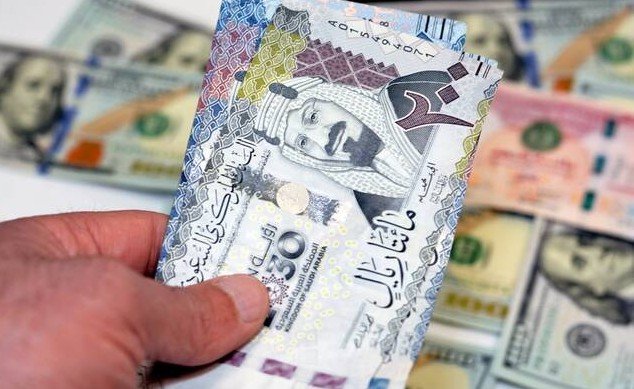
Government debt dominates Saudi maturities
A closer look at the Saudi figures shows a clear pattern. Most of the Kingdom’s upcoming maturities sit with the government rather than the private sector.
Kamco Invest estimates that $106.4 billion of Saudi Arabia’s maturities over the next five years relate to government-issued bonds and sukuk. That contrasts sharply with the UAE, where corporates account for the bulk of maturing instruments, roughly $136.2 billion.
That distinction changes the risk conversation.
Government debt, especially from a sovereign with deep capital markets and strong policy backing, is generally viewed as easier to refinance. Corporate maturities, on the other hand, depend more on earnings cycles, sector health, and market sentiment.
For Saudi Arabia, this structure provides a degree of reassurance, even as headline numbers grow.
It also reflects the Kingdom’s broader fiscal strategy, which has leaned heavily on debt markets to fund large-scale development and economic diversification.
A market that has grown fast, and visibly
Saudi Arabia’s debt market didn’t always look like this. Over the past few years, issuance activity has expanded quickly, drawing interest from global fixed-income investors searching for yield and stability.
In the third quarter of this year, the Kingdom dominated the GCC’s primary debt market, according to the Kuwait Financial Center, also known as Markaz. Saudi issuers raised $20.32 billion through 36 separate offerings during that period alone.
That marked a 62.7 percent year-on-year jump in issuance value.
The timing isn’t accidental. Elevated global interest rates have pushed many investors back into fixed-income assets, and Saudi Arabia’s expanding bond and sukuk market has benefited from that shift.
Liquidity has improved. Pricing has become more transparent. And repeat issuance has helped build confidence.
Still, a wave of maturities means markets will be tested, especially if global conditions tighten again.
How the rest of the GCC compares
Beyond Saudi Arabia and the UAE, the maturity picture thins out, but it doesn’t disappear.
Kamco Invest projects the following fixed-income maturities between 2026 and 2030:
-
Qatar: $85.6 billion
-
Kuwait: around $25 billion
-
Bahrain: around $25 billion
-
Oman: around $25 billion
This distribution highlights how concentrated GCC debt markets have become. While smaller economies still face refinancing needs, the scale is far more manageable compared to their larger neighbors.
For Qatar, the $85.6 billion figure reflects a mix of sovereign and quasi-sovereign issuers, many of which already have experience tapping international markets.
Bahrain and Oman, meanwhile, continue to face closer scrutiny from investors, given tighter fiscal space and higher borrowing costs.
Refinancing risk, but also opportunity
A wall of maturities can sound alarming. But context matters.
Many of the bonds and sukuk coming due were issued during periods of low global interest rates. Refinancing them now may be more expensive, yes, but issuers have also had time to plan.
Saudi Arabia, in particular, has been proactive. The government has extended average debt maturities in recent years and diversified its investor base, including more international participation.
There’s also a strategic angle. Rolling over maturing debt creates opportunities to reshape the curve, introduce new tenors, or issue instruments aligned with sustainability or Islamic finance themes.
In other words, maturities don’t just close chapters. They open new ones.
Of course, execution matters. Poor timing or weak demand could raise costs quickly. But for now, market depth appears supportive.
What investors are watching closely
For investors, the next five years will bring a steady stream of decisions.
They’ll be watching oil prices, fiscal balances, and monetary policy shifts, especially any signal from major central banks that rates may stay higher for longer.
They’ll also track issuance calendars closely. Too much supply at once can pressure pricing, even in strong markets.
Saudi Arabia’s ability to stagger refinancing and maintain clear communication will be key. So far, transparency has improved, and that helps.
The UAE’s corporate-heavy maturity profile will draw scrutiny at the sector level, particularly in real estate, banking, and infrastructure-linked firms.
Across the GCC, the message is mixed but manageable. Large numbers, yes. But also large balance sheets and, in many cases, proven access to capital.
A defining phase for Gulf debt markets
This upcoming maturity cycle is likely to shape how global investors view GCC fixed income for years to come.
If refinancing proceeds smoothly, it will reinforce the region’s reputation as a reliable destination for long-term capital. If stresses emerge, spreads could widen quickly, especially for weaker credits.
Saudi Arabia’s central role makes its performance especially influential. Success there would lift sentiment across the region.