
Visitor numbers and tourism revenue in Saudi Arabia’s capital region surged through September, offering fresh evidence that Riyadh is becoming a central pillar in the kingdom’s long-term economic shift.
Riyadh welcomed more than 15 million tourists by the end of the third quarter, Saudi officials said, highlighting a sharp rise in visitor flows and spending as the capital tightens its grip on the regional tourism map.
The figures underline how quickly tourism is moving from ambition to reality in Saudi Arabia’s economic plans.
Visitor growth puts Riyadh firmly in the spotlight
By the end of September, the Riyadh region had received 15.1 million tourists from inside and outside the kingdom, according to figures released by the Saudi Tourism Ministry.
That volume alone tells a story.
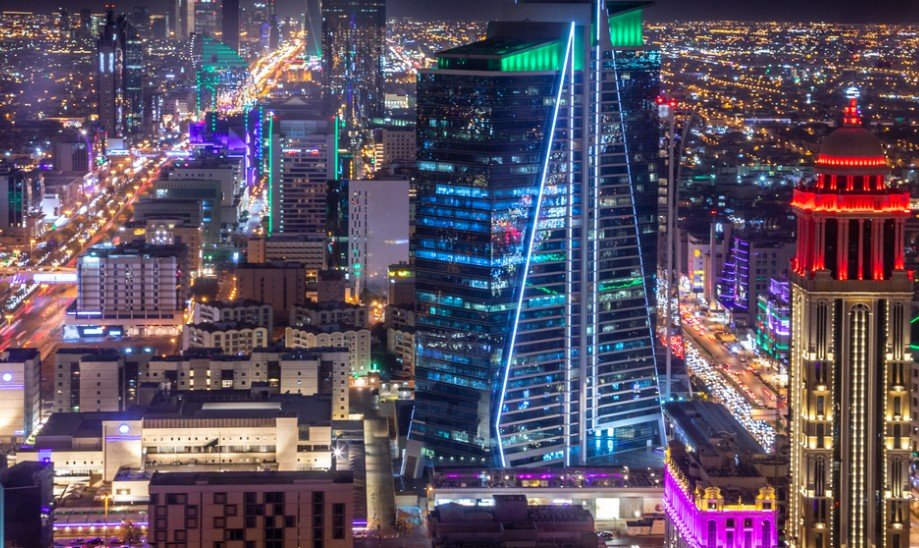
For a city once viewed mainly as an administrative and business center, Riyadh is now drawing visitors for leisure, events, and culture at a pace that would have seemed unlikely just a few years ago.
Tourist spending during the period reached roughly 33 billion Saudi riyals, or about $8.8 billion, marking an 18 percent increase compared with the same period last year.
One sentence stands out. More people came, and they spent more while doing so.
Spending growth reflects changing travel patterns
The ministry shared the data in a post on X, pointing to broad-based growth rather than a single driver.
Visitors are staying longer. Hotels are fuller. Restaurants, transport services, and entertainment venues are seeing steadier foot traffic. It’s not just about headline numbers anymore.
“The Riyadh region recorded growth in its tourism indicators,” the ministry said, adding that the capital saw a notable rise in both visitor numbers and overall spending during the third quarter of 2025.
That combination matters.
High visitor numbers without spending strain infrastructure. Spending without volume lacks scale. Riyadh, for now, appears to be balancing both.
Vision 2030 and the push beyond oil
Tourism has become one of the most visible pillars of Saudi Vision 2030, the kingdom’s long-term plan to diversify its economy and reduce reliance on crude oil revenues.
Under the National Tourism Strategy, Saudi Arabia has set a bold target: 150 million visitors annually by the end of the decade.
Riyadh is expected to shoulder a significant share of that load.
The capital’s transformation has been deliberate. Mega-projects, global events, and expanded entertainment offerings have been rolled out in parallel, creating reasons to visit that didn’t exist before.
It’s a slow build, but the numbers suggest momentum is picking up.
Hotels, rooms, and the capacity challenge
Visitor growth means little without places to stay. On that front, Riyadh is expanding fast.
The Tourism Ministry said the number of tourist rooms in the Riyadh region jumped 34 percent year on year in the third quarter, reaching around 50,000 rooms.
That expansion reflects aggressive hotel development across multiple price points.
Luxury brands are opening properties near major business districts and cultural hubs. Mid-range and serviced apartments are spreading across newer neighborhoods. Short-stay accommodation is also becoming more visible, particularly during peak event periods.
One sentence here says a lot. Supply is racing to keep up with demand.
Still, industry observers note that occupancy rates remain high during major conferences, festivals, and sporting events, hinting that further expansion is likely.
A growing workforce behind the tourism boom
Tourism growth is also reshaping employment patterns in the capital.
According to ministry figures, the number of registered tour guides in the Riyadh region climbed to 673 during the third quarter, a 44 percent increase from the same period last year.
That rise signals more than just job creation.
Guides play a quiet but important role in shaping visitor experiences, especially for first-time travelers unfamiliar with Saudi culture. Their growing presence suggests officials are paying closer attention to service quality, storytelling, and visitor engagement.
A small detail, maybe. But it points to a maturing sector.
Domestic tourism adds another layer
While international visitors often grab headlines, domestic tourism remains a major driver of spending across the kingdom.
Earlier this month, Princess Haifa bint Mohammed, Saudi Arabia’s Deputy Minister of Tourism, said domestic tourism spending reached 105 billion riyals by the end of the third quarter of 2025.
That figure represents an 18 percent year-on-year increase.
Speaking at the Budget Forum 2026, Princess Haifa described tourism as one of the most promising engines of national economic diversification, noting its ability to generate jobs, attract investment, and stimulate local businesses.
For Riyadh, domestic travel often fills gaps between international peaks. Weekend trips. Event-driven visits. Short stays tied to exhibitions and concerts.
It all adds up.
Why Riyadh’s growth feels different this time
Riyadh’s tourism push is not built on beaches or ancient ruins alone. Its appeal is urban, modern, and increasingly global.
Major sporting events. International exhibitions. Concerts that draw regional crowds. Business travel tied to multinational investment.
These visitors behave differently. They spend more per day. They book higher-end hotels. They return for repeat trips.
And crucially, they talk.
Word of mouth, social media, and global media coverage are slowly changing perceptions of Riyadh from closed-off capital to emerging destination.
That shift doesn’t happen overnight. But the numbers suggest it’s underway.
Looking ahead as targets loom large
Saudi Arabia’s tourism goals remain ambitious, and the road ahead isn’t without challenges. Infrastructure, workforce training, pricing, and sustainability all sit on the agenda.
But for now, the trajectory is clear.
Riyadh’s third-quarter performance shows a city absorbing visitors at scale while pulling in rising levels of spending. It’s a combination policymakers have been chasing for years.
Fifteen million visitors is not the finish line. It’s a checkpoint.
And based on current momentum, Riyadh looks determined to keep moving forward.
