Archaeologists have uncovered the remains of a rare sun temple linked to ancient Egyptian King Nyuserre in the Abusir necropolis near Cairo. This major find, announced by Egypt’s antiquities ministry on December 13, 2025, reveals a massive valley temple from the Fifth Dynasty, offering fresh insights into ancient sun worship and boosting tourism in the region.
Historical Significance of the Discovery
The temple belongs to King Nyuserre, who ruled around 2400 BCE during Egypt’s Old Kingdom. Experts say this structure is part of a larger sun complex dedicated to the god Ra, making it one of only a few known solar temples from that era.
This breakthrough comes after over a century of waiting. In 1901, German archaeologist Ludwig Borchardt spotted clues to the site but could not dig due to high groundwater. Now, an Italian team has exposed more than half of the temple, buried under Nile sediment for millennia.
The find highlights the Fifth Dynasty’s focus on sun cults. Kings built these temples to honor Ra and secure divine favor for their reigns. Only two such temples were fully confirmed before this, adding to the excitement among historians.
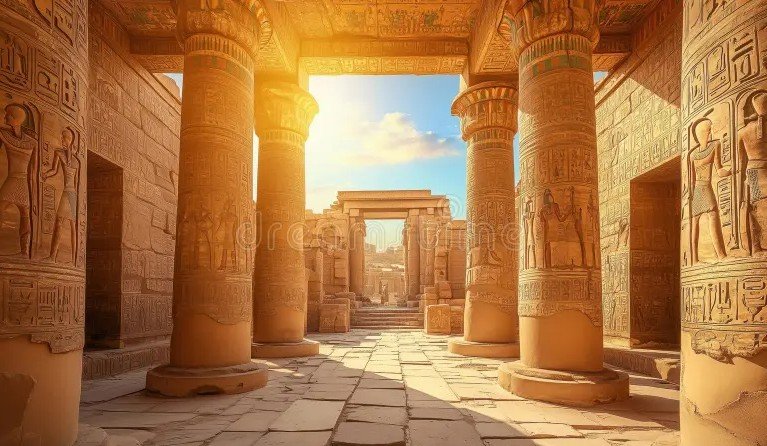
Details of the Excavation Site
The Abusir necropolis, about 20 kilometers south of Cairo, is home to several modest pyramids and burial sites. This new temple covers over 1,000 square meters, ranking it among the largest valley temples in the Memphis area.
Archaeologists found key features like column bases, wall coverings, and granite thresholds. A sloping ramp likely linked the temple to the Nile River or a canal, used for rituals and offerings.
The site’s location ties into ancient Egyptian beliefs. Valley temples served as entry points to larger complexes, where priests performed daily ceremonies to the sun god.
Excavations faced challenges from water and mud, but modern techniques allowed the team to uncover these elements. The ministry calls it a colossal structure with unique architecture that stands out in Egypt’s vast array of ruins.
Impact on Tourism and Economy
Egypt’s tourism sector is set to benefit from this discovery. Officials say the site could draw history buffs and cultural travelers, adding to attractions like the nearby Giza pyramids.
Recent trends show a rise in eco-tourism and sustainable visits to ancient sites. This find aligns with efforts to promote lesser-known spots, reducing crowds at major landmarks.
Local communities may see economic gains through guided tours and related jobs. In 2024, Egypt welcomed over 15 million tourists, and experts predict even more in 2026 with fresh discoveries like this.
- Boosted visitor numbers to Abusir area.
- New educational programs on Fifth Dynasty history.
- Partnerships with international museums for exhibits.
The ministry plans to open parts of the site to the public soon, with safety measures in place.
Insights into Ancient Egyptian Culture
Sun temples reflected the pharaohs’ divine status, blending religion and politics. Nyuserre’s complex shows advanced building skills, with precise alignments to solar events.
Comparisons to other sites, like the temple of Userkaf, reveal similarities in design. This helps scholars piece together how Egyptians viewed the afterlife and cosmos.
Artifacts from the dig include inscriptions and possible ritual items, though details remain under study. These could shed light on daily life and ceremonies over 4,400 years ago.
The discovery connects to broader 2025 events, such as ongoing digs in Saqqara, where mummies and tombs were found earlier this year. It underscores Egypt’s role as a hub for archaeological wonders.
| Key Features of the Temple | Description |
|---|---|
| Size | Over 1,000 square meters |
| Materials | Granite thresholds and stone columns |
| Location | Abusir necropolis, near Cairo |
| Historical Period | Fifth Dynasty (around 2400 BCE) |
| Unique Element | Sloping ramp to Nile |
Future Research and Preservation
Ongoing work by the Italian mission, led by experts from Turin and Naples universities, aims to map the full complex. They plan to use tech like ground-penetrating radar for more finds.
Preservation is key, with efforts to protect against climate change and urban growth. International funding supports these projects, ensuring long-term study.
This temple could rewrite parts of Egyptian history, revealing more about royal power and religion. Researchers hope to link it to other undiscovered sites in the region.
Experts estimate that only a fraction of Egypt’s ancient treasures have been found, sparking optimism for future digs.
What do you think about this ancient discovery? Share your thoughts in the comments and spread the word to fellow history enthusiasts.