
Pakistan finds itself caught in rising tensions between Saudi Arabia and the United Arab Emirates over Yemen, while facing pressure to join a Gaza stabilization force. This entanglement stems from defense pacts, economic needs, and strategic alliances that pull the country into regional disputes it struggles to control.
Recent events highlight how Pakistan’s foreign policy, driven by military and economic interests, has led to awkward positions. For instance, during a visit by the UAE president in early January 2026, Saudi strikes on Yemen escalated the rift, forcing Pakistan to balance loyalties without alienating key allies.
Roots of Pakistan’s Middle East Involvement
Pakistan’s role in the Middle East has grown over the past decade, shifting from limited support to active participation in conflicts. This change began with efforts to counter Iran’s influence, but it has now placed the country between competing Gulf powers.
Economic pressures play a big part. Pakistan relies on financial aid and oil from Saudi Arabia and the UAE. In September 2025, Pakistan signed a mutual defense agreement with Saudi Arabia, committing to joint military actions. This pact includes deploying up to 25,000 Pakistani soldiers along the Saudi-Yemen border to fight Houthi rebels, with Saudi Arabia paying each soldier about 3,500 Riyals monthly and providing a $6 billion loan.
The agreement strengthens ties but also risks dragging Pakistan into prolonged wars. Analysts note that such deals often prioritize short-term gains over long-term stability.
Pakistan has also backed Saudi positions publicly. After Saudi airstrikes on Yemen in late December 2025, Islamabad expressed full solidarity with Riyadh, emphasizing Yemen’s unity and Saudi sovereignty.
The Yemen Rift and Pakistan’s Balancing Act
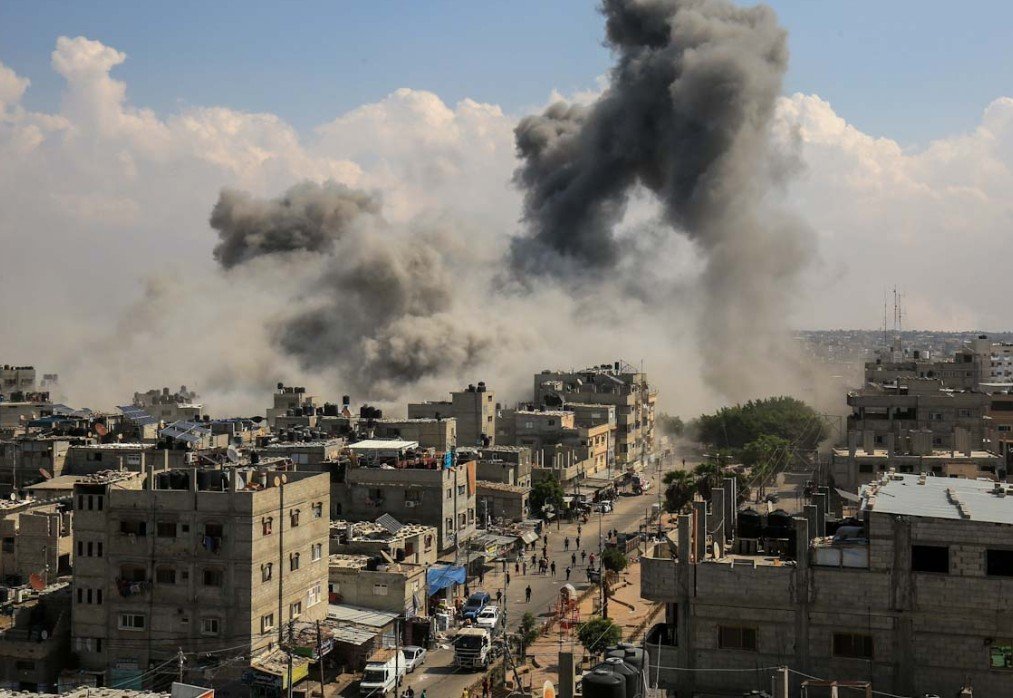
Tensions between Saudi Arabia and the UAE boiled over in Yemen in late 2025 and early 2026. The two former allies, who once jointly fought Iran-backed Houthis, now clash over the Southern Transitional Council, a UAE-supported separatist group.
Saudi Arabia accused the UAE of arming separatists, leading to airstrikes on a weapons shipment at Yemen’s Mukalla port on December 30, 2025. The UAE announced plans to withdraw remaining forces from Yemen amid the crisis.
Pakistan got stuck in the middle. While hosting UAE President Sheikh Mohammed bin Zayed Al Nahyan in January 2026, Pakistan’s leaders met him at a family estate in Rahim Yar Khan. At the same time, Saudi actions pressured Islamabad to side against UAE interests.
Pakistan’s response was cautious. It supported Saudi sovereignty but avoided naming the UAE or the separatists directly. This hedging aims to preserve relations with both, but it risks alienating one side.
Unconfirmed reports suggest Saudi Arabia turned down a meeting request from Pakistan’s army chief, signaling frustration with Islamabad’s neutrality.
The conflict has broader effects. Regional states are reassessing alliances, with some seeing a new order emerging in the Red Sea area.
Defense Commitments and Troop Deployments
Pakistan’s military ties in the region extend beyond Yemen. The 2025 defense pact with Saudi Arabia requires mutual support in conflicts, potentially obligating Pakistan to fight if Saudi Arabia faces threats from Iran or others.
In Yemen, Pakistani troops are set to guard the Saudi border against Houthi attacks. Houthis have warned that the border could become a graveyard for Pakistani soldiers, raising fears of casualties.
- Troop Numbers: Up to 25,000 soldiers planned for deployment.
- Compensation: Each soldier receives 3,500 Saudi Riyals per month.
- Loan Support: Saudi Arabia provides $6 billion to bolster Pakistan’s economy.
These commitments come at a cost. Domestic opinion in Pakistan opposes involvement in foreign wars, especially those seen as serving Gulf monarchies.
Pakistan has also explored arms sales to groups in Libya aligned with the UAE, further complicating its stance.
Pressure to Join Gaza Stabilization Efforts
Adding to the entanglement, the United States has urged Pakistan to contribute troops to a post-war Gaza force. In late 2025, reports emerged that Pakistan, along with Indonesia and Azerbaijan, might send soldiers under an international framework.
This force would focus on disarming groups like Hamas, enforcing ceasefires, and rebuilding security. However, it operates in a sensitive area, with Israel playing a key role.
For Pakistan, participation is risky. Public sympathy for Palestinians is strong, and joining could spark protests at home. It might also harm Pakistan’s image in the Muslim world, where many view such a force as aiding Israel.
Details of potential involvement include Pakistani troops possibly wearing Saudi uniforms to enter Gaza, as direct entry might require Israeli approval. Analysts predict this could strain relations with Iran and other regional players.
Pakistan’s government has not confirmed participation, but discussions continue amid U.S. pressure.
Economic Dependencies Fueling the Entanglement
Pakistan’s Middle East ties are deeply economic. Remittances from Gulf workers and oil imports sustain the economy.
| Key Economic Ties | Saudi Arabia | UAE |
|---|---|---|
| Annual Aid/Loans | $6-10 billion | $3-5 billion |
| Oil Supply Share | 40% of imports | 25% of imports |
| Worker Remittances | $8 billion yearly | $5 billion yearly |
| Defense Pacts | Mutual defense agreement (2025) | Arms and investment deals |
These figures show why Pakistan cannot easily disengage. Losing support from either country could worsen economic woes, including high inflation and debt.
Recent events, like the UAE president’s visit, included talks on investments, highlighting the transactional nature of these relationships.
Broader Implications and Risks for Pakistan
This entanglement exposes Pakistan to multiple risks. Domestically, it fuels unrest, as seen in protests against pro-Gaza policies.
Regionally, it strains ties with Iran, a neighbor with whom Pakistan shares a border. Involvement in Yemen or Gaza could provoke Iranian responses.
Globally, it complicates relations with China and the U.S. China, a key ally, has its own Middle East interests, while U.S. pressure on Gaza adds another layer.
Logical reasoning suggests Pakistan’s military-led foreign policy prioritizes elite interests over national ones. Past entanglements, like in Afghanistan, show the dangers of such approaches.
Looking Ahead: Can Pakistan Navigate the Challenges?
Pakistan must rethink its strategy to avoid deeper involvement. Focusing on diplomacy over military commitments could help.
Experts recommend building stronger ties with non-Gulf players and diversifying economic partners to reduce dependencies.
As conflicts evolve, Pakistan’s choices will shape its future stability. Readers, share your thoughts on Pakistan’s role in the Middle East. What steps should it take next? Comment below and spread this article to spark discussion.
