Researchers at Yale University uncovered opium residues in a rare alabaster vase from ancient Egypt, dating back over 2,000 years. This finding, part of a study published in late October 2025, reveals how Egyptians used opiates and prompts a fresh look at artifacts like those from Tutankhamun’s tomb.
The Discovery That Changes History
A team from Yale’s Ancient Pharmacology Program tested an alabaster vase inscribed in four languages and dedicated to Persian king Xerxes I, who ruled from 486 to 465 BCE. The vase, held in Yale’s Babylonian Collection since the early 1900s, showed traces of morphine, thebaine, noscapine, and other opiate alkaloids.
This marks the first clear scientific proof of opium in an inscribed Egyptian vessel. Experts had long thought these vases held perfumes or cosmetics for royal use. Instead, the sticky dark residue points to a mix of opium with oils and plant extracts, used perhaps for medicine or rituals.
The study used advanced nondestructive methods to analyze residues without harming the artifact. This approach builds on two decades of work, starting with samples from other Egyptian sites like Sedment.
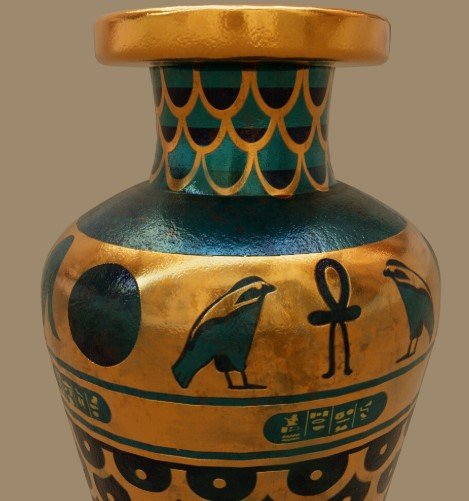
Recent tests confirm the opium came from poppy plants, likely imported or grown in the Mediterranean region. Fossils show poppy use dates back to 4,000 BCE, but this vase gives direct evidence from Egypt.
Links to Famous Tombs and Artifacts
The discovery ties into Tutankhamun’s tomb, found in 1922. Similar alabaster vessels there may also contain opium residues, based on the new findings. Researchers now plan to retest those items using modern techniques.
This could rewrite stories of tomb raids. Some vases in Tutankhamun’s burial chamber showed signs of tampering, possibly by thieves seeking valuable opiates rather than just gold.
Other ancient sites show drug use too. For instance, a Bronze Age jug from eastern Europe tested positive for opium in 2018, hinting at a widespread trade network.
In Egypt, opium might have treated pain, aided rituals, or served as a luxury good. Inscriptions on the Xerxes vase, in Akkadian, Elamite, Persian, and Egyptian, suggest it was a diplomatic gift, passed among elites.
How the Study Was Done
The Yale team used a transdisciplinary method blending ethnography, science, and technology. They extracted tiny samples from the vase’s interior without damage.
Key steps included:
- Chemical analysis to identify opiate compounds.
- Comparison with known ancient pharmacology records.
- Cross-checking with ethnographic data on traditional plant uses.
This careful process ensured accurate results. The full study appeared in the Journal of Eastern Mediterranean Archaeology and Heritage Studies in September 2025.
Experts praise the work for its precision. It avoids destroying artifacts, a common issue in past tests.
The vase itself is a masterpiece, carved from calcite and inscribed during Xerxes’ reign. It likely traveled from Egypt to Persia as a royal tribute.
Implications for Modern Archaeology
This find opens doors to rethinking ancient medicine. Opium, illegal today in many forms without prescription, was a key substance in early societies for healing and ceremonies.
It challenges old views that Egyptians mainly used herbs and spells. Now, evidence shows sophisticated drug preparation, including refining opium into potent forms.
Archaeologists are excited to apply these methods elsewhere. Similar vases in museums worldwide could hold secrets about trade and culture.
For travelers, this adds intrigue to Egypt visits. Sites like the Cairo Museum house artifacts now under fresh scrutiny.
The discovery also sparks debates on drug history. Poppies spread from the Mediterranean, influencing global cultures. Today, opium derivatives like morphine remain vital in medicine, but their ancient roots surprise many.
Key Facts About the Vase
Here’s a quick overview of the artifact’s details:
| Aspect | Details |
|---|---|
| Age | 485-464 BCE |
| Material | Alabaster (calcite) |
| Inscriptions | Akkadian, Elamite, Persian, Egyptian |
| Dedication | To King Xerxes I |
| Original Location | Egypt, likely crafted as a gift |
| Current Location | Yale Babylonian Collection |
| Substance Found | Opium residues including morphine and thebaine |
What This Means for Future Research
Experts predict more tests on legacy artifacts. The Yale program plans to expand its work, possibly examining items from other pharaohs’ tombs.
This could reveal trade routes for opium poppies, linking Egypt to regions like Cyprus and the Near East.
Public interest is high, with social media buzzing about the “dope in Tut’s tomb” angle. It blends history with modern drug policy discussions.
As archaeology evolves with tech, expect more surprises from the past.
Share your thoughts on this ancient mystery in the comments below, and pass the article along to fellow history buffs.