Orna Weinberg has made her choice. After two years forced from her home by Hezbollah rockets, the 59 year old returned to Kibbutz Manara last October. Now with fresh attacks raining down, she and her tight knit neighbors refuse to leave again. “We will never, ever leave this place again,” she says.
The Spark That Reignited Border Tensions
Fighting erupted anew on March 2 when Hezbollah launched rockets into northern Israel. The move came in support of Iran amid escalating conflict between Israel, the United States and Tehran. Israeli forces responded with strikes and ground operations in southern Lebanon.
This spillover has brought sirens back to communities along the border. Residents in places like Manara, Shlomi and Kiryat Shmona race for shelter with little warning. Two Israelis have been killed in these attacks since early March. Damage to homes and infrastructure echoes the destruction from the previous round of fighting.
Israeli troops have pushed into Lebanon to create a security zone. Officials say the goal is to keep short range threats away from civilians. On the other side, more than 1.2 million Lebanese have fled their homes. The human cost stretches across the border.
Personal Stories of Loss and Resilience
Weinberg’s house took a direct hit in October 2023. She spent the next two years displaced with her community scattered. The time away proved painful beyond the physical damage. Many elderly residents did not survive the upheaval. Her mother in law and uncle passed during that period.
The day electricity returned, they placed mattresses on the floor and began repairs from the inside out.
She describes those years as pretty tough. Yet the pull of home proved stronger than fear. When they could finally go back last October, the work to rebuild started right away. Now new rocket fire has paused some fixes, but not their determination.
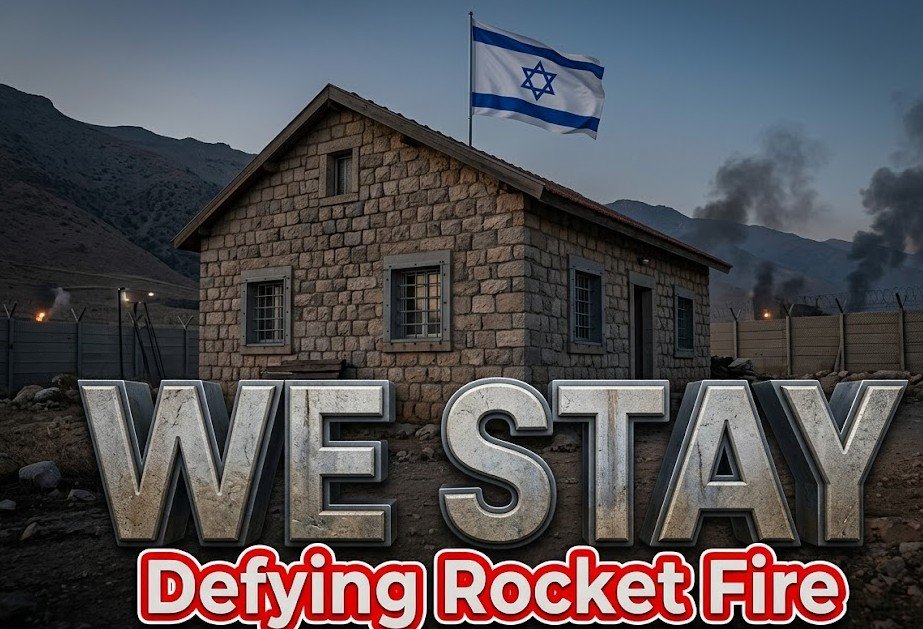
Nearby in Hagoshrim, Dror Gavish feels the same resolve. The 42 year old father of three says his family is staying put. A neighbor died in the earlier fighting, yet they choose to remain. “We are here and we’re not going to go anywhere,” he explains.
These stories repeat across small kibbutzim and towns hugging the Lebanon line. Many returned only months ago after long absences. The trauma of that first evacuation runs deep. Families repaired what they could and tried to restart normal life. Fresh threats test that hard won stability.
Daily Reality for Families Living on the Edge
Life in Manara means constant alertness. The kibbutz sits just meters from the border. Lebanese villages appear clearly visible from its edges. Rocket warnings sometimes come after impacts hit.
Residents sleep in safe rooms or reinforced shelters. Lights stay off at night to avoid drawing attention. Daily routines happen between sirens. People shop for supplies quickly and return home fast.
Repairs on damaged houses continue where possible. In Manara, over 110 homes suffered hits in the prior fighting. Dozens were completely destroyed. The community of around 300 people has seen its landscape scarred. Modular housing and new safe rooms form part of the slow rebuild.
Government support this time differs from before. No widespread hotel payments or forced evacuations have been offered. Officials insist northern residents will not be compelled to leave. Instead, focus stays on military operations to neutralize threats.
The Lasting Scars from Years of Evacuation
The 2023 evacuation displaced about 60,000 people from northern communities. Families lived in temporary housing for over a year in some cases. Community bonds stretched thin. Elderly members faced isolation and health declines.
Weinberg lost family during that time. The emotional weight lingers even after return. Many describe displacement as a huge trauma. They prefer organizing local shelters over scattering again across the country.
This mindset shapes current decisions. In Shlomi and other spots, even vulnerable residents decline offers to leave. They sleep in public shelters or private safe rooms if needed. The thought of repeating the long separation feels worse than the rockets.
Kibbutz life emphasizes collective strength. Neighbors support each other through alerts and repairs. Newcomers have joined some communities to help rebuild. Yet the uncertainty tests everyone. Children learn to move quickly. Adults balance fear with daily chores.
Hopes for Peace Despite the Fighting
Weinberg holds little faith in government saviors. She believes Israel should seek peace with neighbors instead of endless war. Elections later this year could shift toward more diplomacy, she hopes.
Similar views surface among other residents. They want security but also normal lives for their children. The cycle of attack and response has exhausted many. Attachment to the land runs generations deep. Manara itself dates to 1943, founded by early Jewish immigrants.
The broader conflict adds layers of complexity. Hezbollah has fired in solidarity with Iran. Israel aims to degrade militant capabilities and secure its border. Lebanese civilians bear heavy displacement. Both sides report significant losses among fighters.
Yet for border residents, the view stays personal. They see the hills, tend their homes and raise families in the place they know best. Their stand reflects deep roots and hard lessons from past flight.
Northern communities have shown remarkable resilience before. After previous rounds, some rebuilt stronger with new members and improved defenses. This time feels different because the wounds from the last displacement remain fresh.
What do you think about families choosing to stay in high risk border areas? Share your thoughts in the comments below. Your perspective matters as this story develops.