Health officials in the UK are urging people to handle Christmas turkey leftovers with care this holiday season. The NHS and Food Standards Agency say cooked turkey stays safe in the fridge for just two days, and failing to follow this could lead to serious food poisoning risks.
Why Turkey Leftovers Can Turn Risky Fast
Many families enjoy stretching their Christmas meals into sandwiches, curries, or soups over the following days. Yet, bacteria like salmonella and campylobacter can grow quickly if food sits too long, turning a festive treat into a health hazard.
Food poisoning cases spike during holidays, with thousands affected each year from improper storage. Officials point out that warm kitchens and repeated fridge openings speed up spoilage, making strict timelines essential for safety.
Experts recommend checking your turkey’s condition before eating. Signs of trouble include odd smells, slimy textures, or color changes, which signal it’s time to toss it out.
Key Timeline for Safe Storage
If you cooked your turkey on Christmas Day, December 25, 2025, you have until December 27 to eat it from the fridge. After that, the risk of harmful bacteria rises sharply, according to health guidelines.
Freezing offers a longer option. You can safely freeze cooked turkey for up to three months, but only if it wasn’t frozen before cooking. Thaw it in the fridge and use within 24 hours for best results.
Reheating matters too. Always heat leftovers to at least 75 degrees Celsius to kill off any lurking germs. Use a food thermometer to confirm, as guessing can lead to mistakes.
For those who bought pre-cooked or ready meals, follow package dates closely. These often have shorter windows due to added ingredients.
Top Tips to Prevent Food Poisoning
Health authorities provide clear steps to keep your family safe. Start by cooling leftovers quickly after cooking, within two hours, to stop bacteria from multiplying.
Store them in airtight containers on the bottom fridge shelf to prevent drips onto other foods. This simple habit cuts cross-contamination risks.
Here are some practical ways to use leftovers safely:
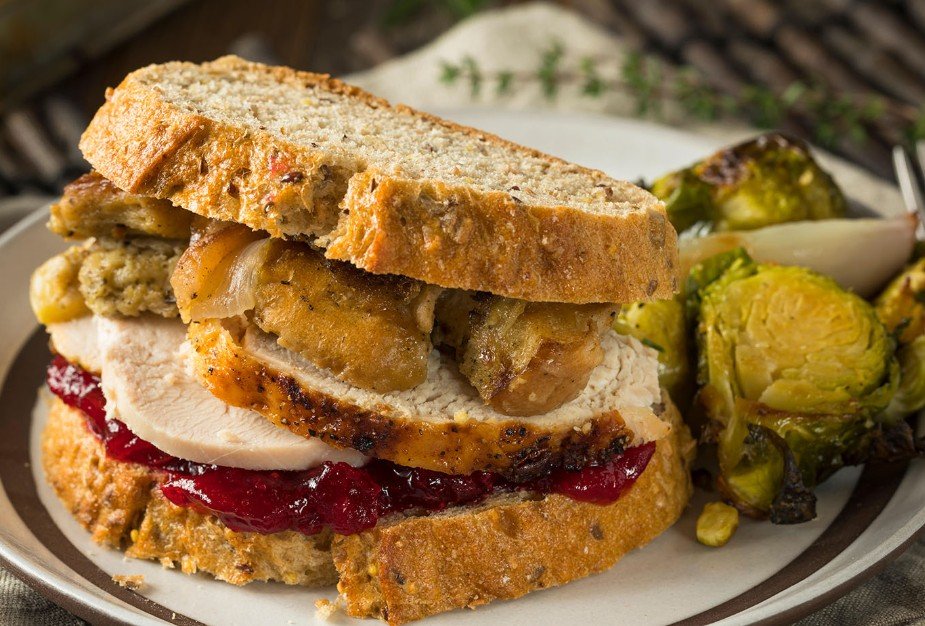
- Make turkey sandwiches with fresh bread and veggies for a quick meal.
- Whip up a turkey stir-fry with vegetables to add nutrition and flavor.
- Create a hearty soup by simmering turkey with stock and herbs.
Avoid leaving food out during parties. Room temperature allows bacteria to double every 20 minutes, turning safe eats unsafe fast.
Common Mistakes and How to Fix Them
People often underestimate how fast leftovers spoil, especially in busy holiday homes. One frequent error is reheating food multiple times, which builds up bacteria with each cycle.
Another issue is overcrowding the fridge, which raises internal temperatures and speeds spoilage. Aim to keep your fridge at 5 degrees Celsius or below for optimal safety.
| Mistake | Why It’s Risky | Quick Fix |
|---|---|---|
| Leaving food out too long | Bacteria grow rapidly at room temperature | Refrigerate within 2 hours of cooking |
| Reheating only once | Doesn’t kill all germs if not hot enough | Heat to 75°C and eat immediately |
| Storing in warm spots | Uneven cooling leads to spoilage | Use bottom shelf and airtight containers |
| Ignoring use-by dates | Expired food harbors toxins | Check labels and bin promptly |
Fixing these habits can slash your chances of illness. Recent data shows holiday food poisoning drops when people follow these rules.
In 2024, UK reports noted over 2,000 cases linked to festive meals, many from turkey mishandling. This year, with more home cooking, experts stress vigilance to avoid repeats.
Broader Holiday Food Safety Advice
Beyond turkey, similar rules apply to other leftovers like ham, stuffing, or pies. All cooked meats should follow the two-day fridge rule to stay safe.
Pet owners take note: Avoid giving scraps to animals, as fatty foods and bones can cause serious issues like pancreatitis or choking.
If symptoms like nausea, vomiting, or diarrhea hit after eating, seek medical help right away. Dehydration from food poisoning can escalate quickly, especially in kids or the elderly.
Public health campaigns this year highlight education, with online resources offering recipes and storage guides to make holidays healthier.
Share your own tips for using turkey leftovers in the comments below, or pass this article to friends to help everyone stay safe this season.