Some roles don’t end when the cameras stop. Michael B. Jordan says playing Erik Killmonger in Black Panther stayed with him longer than expected, pushing the actor to seek therapy as he worked through the emotional weight of the character.
A Performance That Didn’t Fade Easily
In a recent interview with CBS Sunday Morning, Michael B. Jordan spoke candidly about the aftermath of portraying Killmonger in the 2018 Marvel hit Black Panther.
“It kind of stuck with me for a bit,” Jordan said, reflecting on the period after filming ended.
He explained that the intensity of the role lingered, prompting him to begin therapy as a way to mentally step away and reset. The experience, he said, taught him something he hadn’t fully grasped earlier in his career.
He needed space. He needed to decompress. And, honestly, he needed help doing that.
Therapy as a Way Back to Himself
Jordan described therapy as a practical step, not a dramatic one.
“I went to therapy, talked about it, found a way to kind of just decompress,” he said, adding that at the time he was still learning how to separate himself from characters that demand emotional extremes.
That separation didn’t come naturally back then.
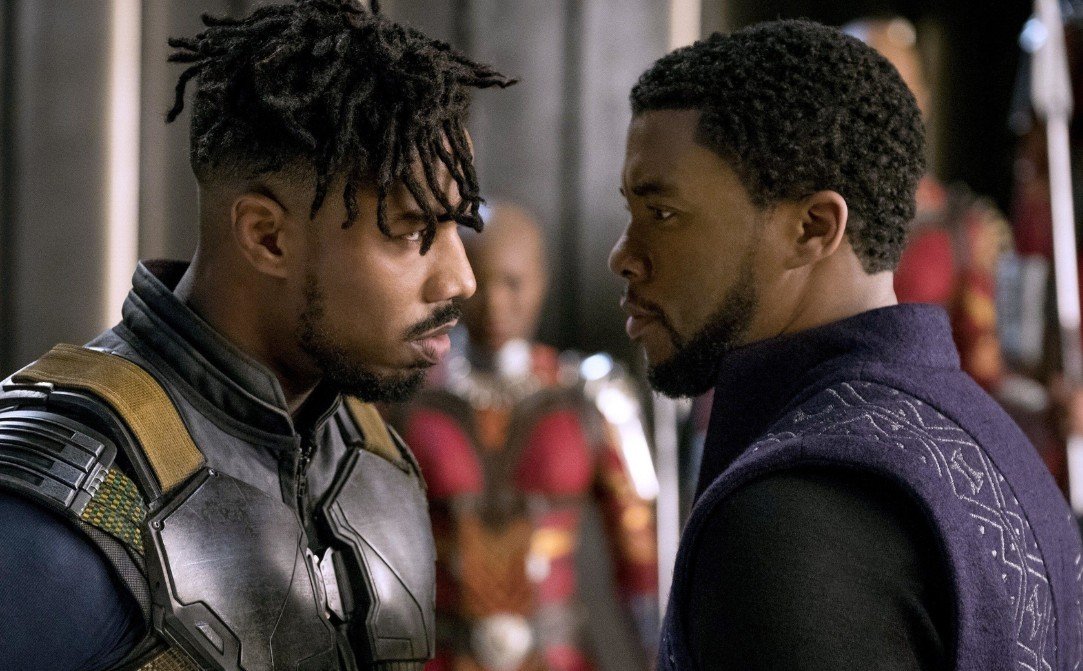
The conversations, he noted, grew into something larger than expected, touching on personal habits, communication, and long-term growth rather than just one film role.
It wasn’t about fixing something that was broken. It was about clearing out what had built up.
Living Like Killmonger, Even Off Camera
To prepare for the role, Jordan went further than most.
He isolated himself from family and friends, limiting contact during filming to stay inside Killmonger’s mindset.
“I didn’t really speak to my family that much. I was kind of isolated a bit,” he said. “Tried to live like he would have lived for a bit.”
That approach helped fuel one of Marvel’s most talked-about villains, but it came with a cost.
Killmonger is shaped by loss, abandonment, and anger. Jordan leaned into those emotions, and they followed him off set.
For a while, there was no clear line between performance and personal life.
Why Killmonger Cut So Deep
Erik Killmonger is not a simple antagonist.
He is driven by trauma, betrayal, and systems that failed him from childhood. Jordan explained that those layers were central to his portrayal.
“He had a lot of betrayal, a lot of failed systems around him that shaped him and his anger and his frustration,” Jordan said.
Killmonger’s story is rooted in loss. His father is killed by King T’Chaka after being caught smuggling vibranium out of Wakanda, a secret execution that sets the character on a path of vengeance.
As a former Navy SEAL, Killmonger channels his pain into discipline and violence, eventually challenging Chadwick Boseman’s T’Challa for the Wakandan throne.
That mix of rage and heartbreak made the role emotionally heavy, even for an actor used to intense material.
Lessons That Carried Forward
Jordan said therapy eventually became less about the character and more about himself.
“It turned into a bigger conversation and self-discovery,” he explained.
Talking openly helped him develop healthier habits, especially around communication and emotional awareness.
“Talking is really important,” he said. “It definitely helped me throughout the years and to this day of trying to be a good communicator and a well-rounded person, inside and out.”
Those lessons, he suggested, have stayed with him well beyond Black Panther, shaping how he approaches demanding roles today.
A Broader Conversation in Hollywood
Jordan’s comments land at a time when more actors are openly discussing mental health and the impact of immersive performances.
Method acting, isolation, and emotional strain are often praised for producing powerful results on screen, but the personal cost is rarely addressed publicly.
By speaking openly, Jordan adds to a growing conversation about balance, self-care, and knowing when to step back.
Some characters change careers. Others change people.