In a story that sounds like a scene from a spy movie, King Charles III reportedly turned to an unusual tactic while enjoying his favourite pastime of salmon fishing. According to multiple reports, security personnel equipped with precision rifles and special lenses positioned themselves along Irish riverbanks and quietly guided the monarch via an earpiece about where to cast his line. The claim has both amused and surprised royal watchers around the world.
The episode allegedly took place at Delphi Lodge, a historic salmon-fishing retreat in County Galway, Ireland. The way the story has been told raises questions about how far security and royal tradition blend when duty and pleasure intersect. Read on for the full background, what the reports say, and what this could mean for perceptions of the monarchy.
A Royal Favourite With Unusual Support
King Charles is widely known as a passionate fly fisherman who has spent decades mastering the sport in rivers and lochs across the British Isles and Ireland.
The latest anecdote comes from accounts of a fishing trip to Delphi Lodge, an acclaimed destination for Atlantic salmon fishing set amid the wild beauty of Connemara. According to sources speaking to media outlets, this time security was not just present around the monarch’s location but also actively assisting his sport.
The reason, the insider says, was simple: knowing where the salmon were hiding significantly increases the odds of a successful catch. They allege that guides relayed information to the king via his earpiece, giving him a strategic edge over the natural challenge of reading the river — a well-known skill among serious anglers.
The Sport, the Setting and the Story
Salmon fishing is no light hobby. Atlantic salmon are prized targets for anglers, and streams like those in Delphi offer both beauty and challenge.
Delphi Lodge has long been associated with royal visitors. Records show that Charles first visited the area in the mid-1990s as Prince of Wales, a trip that required extraordinary security and careful planning even then.
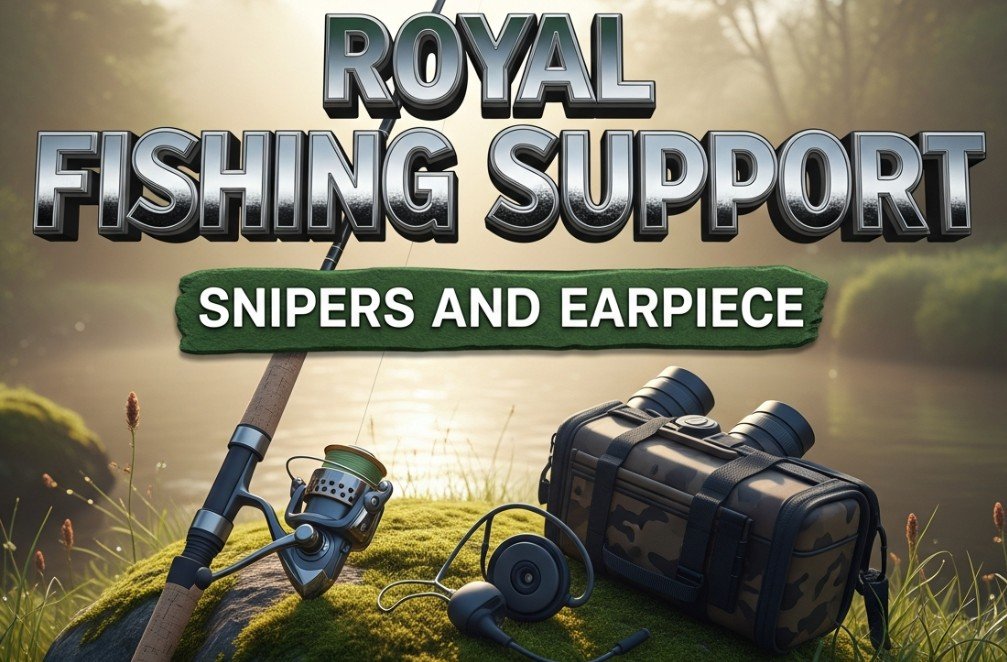
While the recent claims about snipers and earpieces may seem outlandish, they reflect a broader truth about how highly protected the King’s life remains, even during private leisure pursuits. Security teams typically create large exclusion zones around royal engagements, whether public appearances or personal retreats.
What the Reports Are and What They Aren’t
It is important to stress that no official palace statement has confirmed these specific techniques were employed to help the King catch fish. The narrative stems from sources cited by online outlets and should be viewed in context. However, the consistency of the reports across multiple news sites suggests the story has penetrated public conversation and media coverage.
The idea of “military grade snipers” being used may be exaggerated for dramatic effect, but it highlights how protective details are often intricately involved even in simple moments of a head of state’s life. Royal security details commonly include highly trained personnel with advanced equipment to monitor both threats and surroundings. What may appear humorous to the public could be part of a broader strategy to ensure safety while allowing senior royals to enjoy private interests.
Some commentators have also framed the story as emblematic of the contrast between the King’s public image and his private passions. Charles has spent years advocating for environmental conservation and the protection of waterways, positioning his love of fishing not merely as sport but as an expression of his commitment to nature. His Amazon documentary Finding Harmony: A King’s Vision has also reinforced that theme, prompting fans to see his activities through the lens of environmental stewardship.
Royal Pastimes and Public Perception
King Charles’s connection with the environment and countryside traditions goes back decades. His interest in land, water and nature conservation dates to his youth, when he was often photographed fishing or riding across the United Kingdom.
For many, fishing is more than recreation. It is a chance to connect with nature, find solitude and exercise skill. For someone like Charles, who often navigates the pressures of state leadership, that connection can be especially meaningful. Yet the image of armed personnel helping to locate fish has struck many media consumers as surreal, prompting lighthearted commentary and questions about how much assistance is truly necessary.
Whether hunters see the tale as amusing or critics view it as an example of privilege, the story has ignited broader discussion about modern royalty, privacy and how public figures balance their personal interests with their responsibilities.
Separate Fact and Fiction
At this point, no official palace documents or authoritative statements confirm that sniper teams or earpiece coaching are routine elements of the King’s fishing trips. However, the narrative captures public curiosity because it blends the universal appeal of a favourite hobby with the extraordinary security surrounding a head of state.
Historically, royals have always had entourages that blur the line between support and assistance. What sets this story apart is the dramatic imagery of covert communication and high-tech gear in a setting typically associated with quiet reflection and sport.
What This Means for the Monarchy
In an era where every word and action of royals is scrutinised, stories like this underscore the challenge public figures face in maintaining personal privacy and ordinary pursuits. The contrast between simple pleasures and extraordinary protection is stark, but it also reflects the reality of life at the centre of global attention.
For many observers, the King’s love of fishing humanises him. It connects him with everyday enthusiasts who find peace and joy in casting a line into quiet water. That story resonates emotionally, reminding the public that beyond state ceremonies and official duties, leaders also seek moments of calm.