Explosions tore across Beirut early Wednesday as war between Israel and Iranian‑backed Hezbollah spread beyond the border, marking one of the most intense days of violence since the conflict widened this week. A hotel in a Beirut suburb and residential areas in eastern Lebanon were struck, leaving civilians dead and injured and deepening fears of a broader regional war that now involves major powers and multiple Arab states.
Deadly Strikes Hit Beirut Suburbs and Eastern Towns
Israeli air raids early Wednesday struck the densely populated Hazmieh area near Beirut, hitting a hotel and causing significant damage, according to Lebanese state media. Lebanon’s health officials reported multiple civilian deaths and injuries in the Beirut suburbs and in Baalbek in eastern Lebanon, far from the traditional frontline near Israel’s northern border.
In the town of Aramoun south of Beirut, rescue workers pulled victims from the rubble after a strike on a residential building. In Baalbek, officials reported that five civilians were killed and many more wounded when a residential complex was hit, and residents said the area was wholly residential with no known military presence.
The attacks represent a stark escalation of the Lebanon front of the wider Middle East war, which has expanded dramatically since the recent killing of Iran’s Supreme Leader and the intensification of U.S. and Israeli strikes on Iranian military infrastructure.
Hezbollah Fire and Israeli Military Response
The latest aerial bombings come after Hezbollah fired rockets and drones into northern Israel, including areas that triggered air‑raid sirens in towns like Haifa, marking a rare direct strike deep inside Israeli territory. Israel says it has intercepted many of the projectiles but confirms the hostile fire prompted a forceful military reaction.
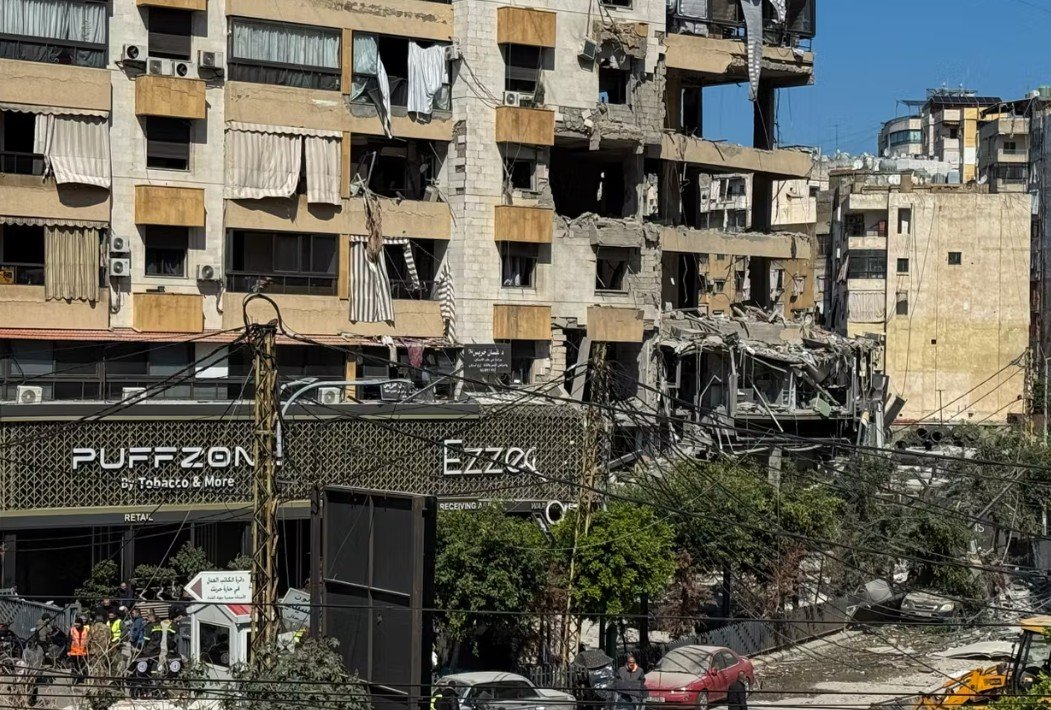
In response to the threat from Lebanon, Israel expanded troop deployments into southern Lebanon, seeking to establish a buffer and to neutralize Hezbollah’s ability to launch further attacks. The Israeli military says its operations target Hezbollah command centers, weapons depots and launch sites.
The strikes on Beirut and eastern Lebanon, including the hit on the hotel, signal that Israel is willing to extend military action beyond traditional conflict zones if it believes Hezbollah or allied forces are involved in cross‑border assaults.
Wider Regional War With Iran and Arab States
The conflict between Israel and Hezbollah is now intertwined with the larger war involving Iran, the United States and several Arab states. U.S. military commanders say nearly 2,000 targets in Iran have been struck in recent days, degrading Tehran’s air defenses and hitting ballistic missile sites and drones.
Iran and Iranian‑backed forces have responded with missile and drone barrages against Israeli territory and allied bases in Gulf Arab countries. Saudi Arabia reported it had intercepted cruise missiles and drones launched toward its capital, while Qatar said it had dismantled Iranian‑linked spy cells.
The fighting has disrupted global markets, pushed oil prices higher and led to travel advisories by Western governments urging citizens to leave the region due to safety risks.
Human Toll and Displacement
Lebanon’s health ministry says dozens of civilians have been killed and hundreds wounded since the escalation began. Reports indicate that more than 30,000 Lebanese civilians have been displaced, seeking shelter as strikes hit residential areas across southern Lebanon, Beirut’s suburbs and beyond.
Families in Beirut and eastern towns like Baalbek face a growing humanitarian crisis as essential services are disrupted and fears mount of further attacks. International aid organizations warn that the intensifying conflict threatens already fragile communities in a country still recovering from years of economic collapse.
Civilian Displacement Snapshot
-
Approximate Lebanese displaced since escalation: 30,000+
-
Confirmed killed in recent Israeli strikes: 50+
-
Injured civilians reported: 300+
Political Fallout Inside Lebanon
For the first time since the 2024 ceasefire expired, Lebanon’s government has openly condemned Hezbollah’s actions, accusing the group of dragging the country deeper into war. Officials have banned Hezbollah’s military activities, placing the Lebanese state at odds with an organization that previously held significant autonomy in security matters.
The political fracture underscores rising tensions within Lebanon, where public frustration over violence and civilian suffering is growing even among communities that once supported Hezbollah’s resistance narrative.
What Is at Stake
Analysts say the region now faces a dangerous conflagration with no clear end in sight. The conflict’s expansion beyond Israel’s northern border into Beirut and eastern Lebanon brings civilian infrastructure and noncombatants directly into the crosshairs, raising the risk of broader unrest across the Middle East.
If airstrikes continue to affect everyday life far from the conflict’s original epicenters and if Hezbollah’s retaliation escalates further, the war could draw in neighboring states and destabilize the already volatile region.
The next few days will be crucial in determining if diplomatic pressure or battlefield exhaustion might slow the violence, or if the war will engulf the broader Middle East region.