Israel has launched more than 600 attacks on Syria in the past year, starting right after the fall of former President Bashar al-Assad and the rise of the Hay’at Tahrir al-Sham (HTS) group. These strikes, tracked by a US-based conflict monitor, average about two per day and focus mainly on southern regions, raising fears of wider occupation and instability.
Scale of Israeli Strikes Revealed
A recent report from the Armed Conflict Location and Event Data group shows Israel carried out over 600 attacks on Syria between December 2024 and late November 2025. This surge began as Assad’s government collapsed, allowing HTS militants to seize control in Damascus.
Experts say the attacks destroyed much of Syria’s old military strength in the early weeks. Israeli forces used airstrikes, drones, and artillery to hit targets, often without warning. This level of aggression marks a sharp rise from previous years, driven by security concerns along the border.
The timing links directly to HTS leader Abu Mohammad Jolani taking power. Jolani, once tied to al-Qaeda, now heads a fragile government that has done little to stop the incursions.
Key Areas Hit Hardest
Southern Syria bore the brunt of the attacks, with Quneitra facing at least 232 strikes. Dera’a saw 167, while the Damascus area endured 77, according to the data.
These regions sit near the Golan Heights, which Israel has controlled since 1967. Strikes often target old army sites and weapon stores left behind after Assad’s fall.
In recent months, Israeli troops have moved in on the ground, setting up posts and controlling water sources. This has effectively surrounded parts of Damascus, limiting movement and access for locals.
One report notes over 60 raids in just three weeks last month, killing civilians including children in some cases.
Impact on Syrian People and Economy
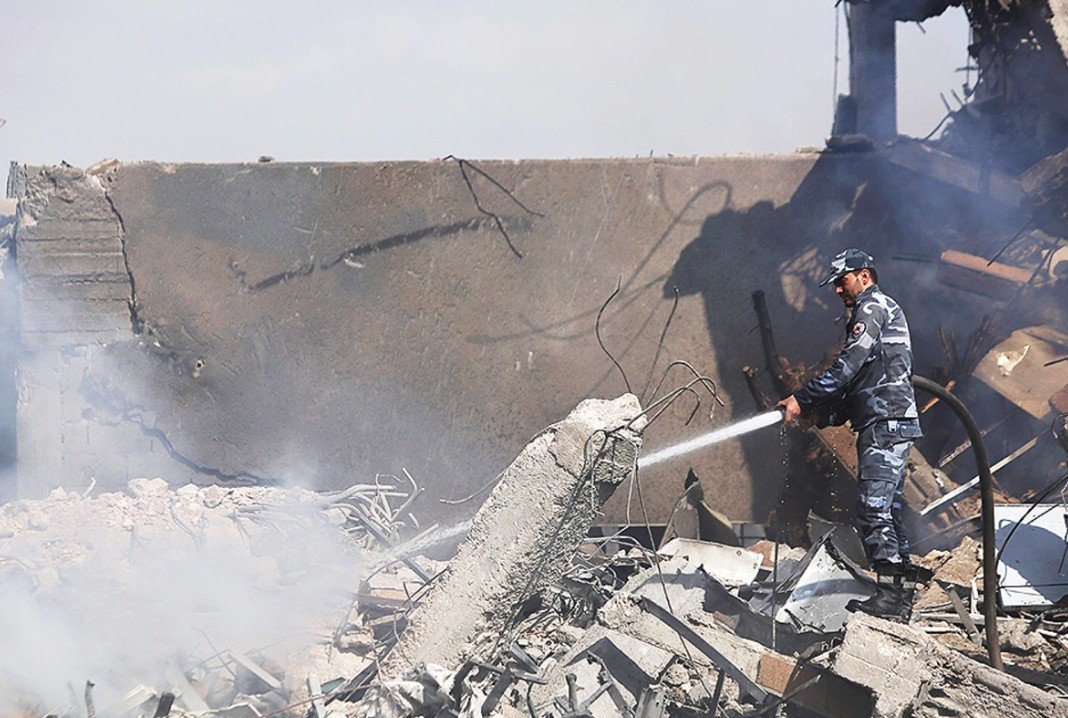
The bombings have caused widespread damage, killing at least 13 people in one raid alone near Beit Jinn. Families in southern villages live in fear, with homes destroyed and farms ruined.
Syria’s economy, already weak from years of war, suffers more from these attacks. Vital infrastructure like roads and power lines gets hit, slowing recovery efforts under the new HTS rule.
Human rights groups warn of ongoing violence and rights abuses. Transitional leaders have made some progress on justice, but attacks hinder peace and aid delivery.
Local communities, including Druze groups, have clashed with Israeli forces resisting incursions. This adds to sectarian tensions in a country still healing from civil war.
- Civilian deaths: At least two children killed in a recent strike on Beit Jinn.
- Infrastructure loss: Bombs have targeted airbases and military depots, wiping out 80 percent of leftover equipment.
- Displacement: Thousands forced to flee border areas due to daily threats.
Netanyahu’s Push for Buffer Zone
Prime Minister Benjamin Netanyahu has ordered troops to advance deeper into Syria to create a buffer zone. This area would stretch from the Golan Heights toward Damascus, aiming to block threats from militants.
Netanyahu calls it a security must, but critics see it as land expansion. Israeli forces have occupied new villages and set up checkpoints, ignoring protests from Syria’s new leaders.
Jolani has publicly condemned the moves, claiming over 1,000 airstrikes and 400 ground operations. Yet, his government lacks the power to respond, leaving the zone to grow unchecked.
This strategy ties into broader regional shifts, including recent ceasefires in Lebanon and Gaza. Israel argues the buffer prevents arms flow to groups like Hezbollah.
| Region | Number of Attacks | Main Targets |
|---|---|---|
| Quneitra | 232 | Border posts and weapon caches |
| Dera’a | 167 | Rural areas and old army bases |
| Damascus Area | 77 | Military headquarters and airfields |
| Other Provinces | 124 | Scattered sites in Homs and Latakia |
Global Reactions and Concerns
World leaders have voiced alarm over the attacks. The United Nations has called for restraint, while Arab nations accuse Israel of violating sovereignty.
The US has stayed mostly silent, focusing on its own interests in the region. Russia, once a key Assad ally, now watches from afar as its influence wanes.
Analysts predict more tension if the buffer zone expands. This could spark new conflicts, drawing in Iran or Turkey, both with stakes in Syria.
Rights watchers highlight the risk of war crimes, urging probes into civilian deaths. The situation remains fluid, with daily reports of new strikes.
What Lies Ahead for Syria
As 2025 ends, Syria faces an uncertain future with HTS in charge and Israeli forces entrenched. Rebuilding efforts stall amid the bombings, and calls grow for international mediation.
Experts suggest diplomacy could ease tensions, but Netanyahu’s stance shows little sign of change. Syrians hope for stability, but the attacks continue to erode that chance.
Share your thoughts on this escalating conflict in the comments below, and spread the word to keep the world informed.