Tension between the United States, Israel and Iran is deepening as Tel Aviv intensifies its diplomatic push for greater latitude in dealing with Tehran amid fraught nuclear talks and escalating threats across the Middle East. Israeli officials are pressing Washington to grant broader freedom of action against Iran, arguing that current negotiations between the U.S. and Tehran risk empowering the Iranian regime and undermining regional security. Latest developments highlight a fragile strategic balance that could have wide geopolitical consequences.
Heightened diplomatic maneuvering comes as Washington and Tehran appear poised to engage in revived nuclear discussions this week, while Israel underscores its distrust of Iran’s intentions and calls for robust coordination on defense capabilities.
Israel Seeks Greater Military Flexibility Amid U.S.-Iran Talks
Israeli media reported that Tel Aviv has formally requested broader operational freedom from the United States to act against Iranian targets if necessary, reflecting deep concern over resumed diplomatic negotiations between Washington and Tehran. Israeli officials argue that any breakthrough in talks could embolden Tehran politically and economically while enabling further development of its ballistic missile and nuclear capabilities.
The appeal signals a strategic shift by Israel, which has traditionally aligned closely with U.S. policy but is now seeking assurances that it will be able to act independently if it deems Iranian actions threatening. This request includes assurances on security cooperation, intelligence sharing, and rapid response mechanisms should Tehran violate agreed terms or pose imminent threat.
The move has raised eyebrows in Washington, where officials are trying to balance pressuring Iran back to the negotiation table with deterring Tehran’s nuclear ambitions through both diplomacy and displays of military readiness.
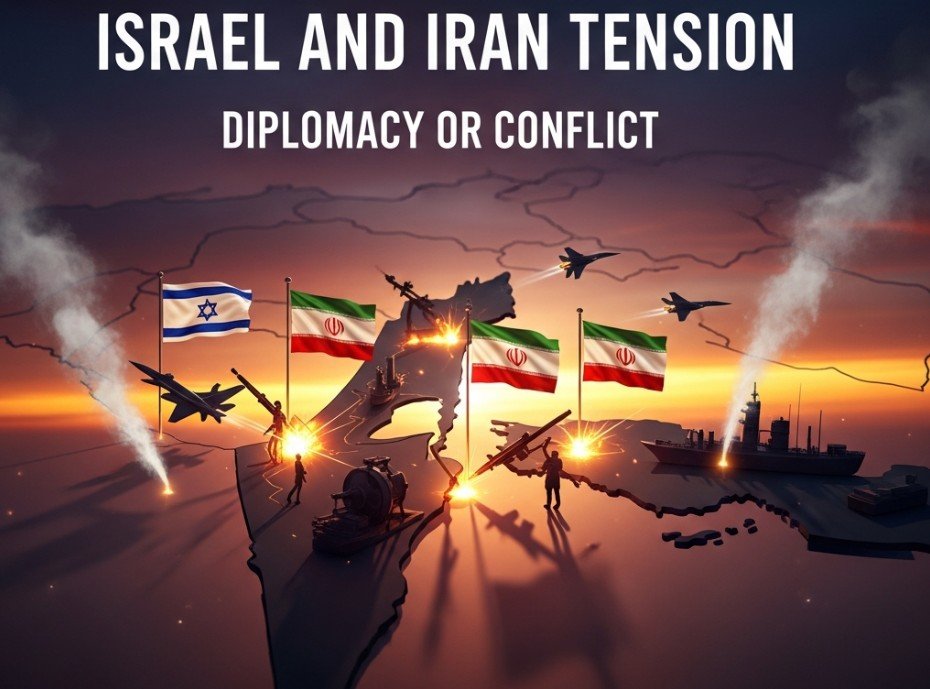
U.S.-Iran Nuclear Negotiations Resume Against a Backdrop of Wariness
Recent public statements from both nations illustrate the cautious path ahead. Iranian President Masoud Pezeshkian has described intentions to pursue “fair and equitable negotiations,” even as U.S. military assets, including an aircraft carrier strike group, have been deployed to the region to signal deterrence.
Yet Israeli leaders remain skeptical of Tehran’s commitment to genuine concessions. Prime Minister Benjamin Netanyahu has urged U.S. interlocutors to adopt a wary stance toward Iran, emphasizing Tehran’s history of broken promises and regional destabilizing activities.
Israel’s concerns stem partly from past military confrontations, including direct strikes on Iranian nuclear and ballistic missile infrastructure in June 2025. Those operations significantly damaged key sites and underscored Israel’s willingness to act militarily when it feels existential threats are at hand.
Iranian Warnings and Regional Tensions Escalate
Tehran has responded to mounting pressure with clear warnings of its own. Senior Iranian officials have declared that any U.S. military action would be met with comprehensive retaliation, including threats to target Israel if it supports Western attacks.
Iranian leadership has also indicated that a U.S. strike could have significant domestic implications. Some Iranian voices warn that military pressure might inadvertently destabilize the regime further by reigniting public anger over internal repression and economic hardship.
These warnings come amid a broader climate of unrest inside Iran, where widespread protests and government crackdowns have exposed fractures within the political landscape and drawn international scrutiny on human rights concerns.
Strategic Calculations and the Risk of Broader Conflict
Analysts note that Tel Aviv’s request for operational freedom must be viewed within a complex strategic environment. Israel’s leadership has long viewed Iran’s nuclear ambitions as an existential threat and has taken military action before when diplomatic efforts faltered.
However, expanding freedom of action could carry risks of unintended escalation. With Iran signaling readiness to respond forcefully to Western military moves, any miscalculation could quickly escalate into broader regional conflict involving multiple states and nonstate actors.
At the same time, U.S. interests in stabilizing the region drive Washington to pursue negotiation options, even as it maintains a tough stance on Tehran’s nuclear program and ballistic missile development. The dual approach of diplomacy backed by credible military deterrence exemplifies the delicate balancing act facing policymakers in both capitals.
A Region on Edge
The unfolding diplomatic tug-of-war between Israel, the United States and Iran underscores the fragility of Middle Eastern security architecture in early 2026. Decisions made in the coming days regarding the nature of nuclear talks, military postures, and intelligence cooperation could shape regional dynamics for years. As civilian populations watch anxiously, the stakes extend far beyond the capitals involved, touching global energy markets, refugee flows, and international alliances.
The unprecedented request by Tel Aviv highlights a growing divergence in strategy among key Western allies on how best to contain Tehran’s ambitions. Whether this leads to greater cooperation, increased tension, or outright confrontation will depend on the choices of leaders under immense domestic and international pressure.
Israel’s call for operational freedom, in the midst of renewed negotiations, has added a new layer of complexity to an already volatile geopolitical landscape. The world watches as diplomacy and deterrence intersect in this high stakes strategic contest between long-time adversaries.