
Israel is pushing back against key parts of President Donald Trump’s Gaza peace plan just hours before a crucial United Nations Security Council vote. Prime Minister Benjamin Netanyahu has drawn firm red lines, rejecting any path to a Palestinian state and demanding stronger measures to disarm Hamas, as the U.S. seeks international backing for a fragile ceasefire in the ongoing Israel Gaza conflict.
Growing Tensions Between Israel and U.S. Ahead of Vote
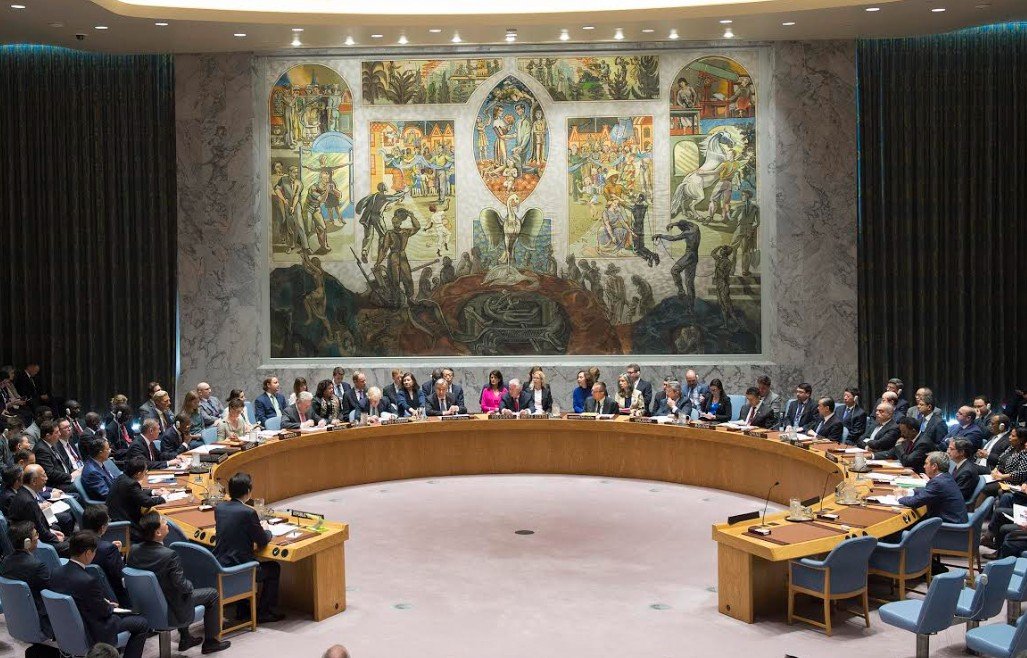
The UN Security Council is set to vote today on a U.S.-drafted resolution that aims to support Trump’s plan for Gaza, including deploying an international force to stabilize the region. This comes after a ceasefire took effect last month, ending over two years of intense fighting between Israel and Hamas.
Israeli leaders have voiced strong objections to the draft, especially its references to a future Palestinian state. Netanyahu stated that Israel’s position against Palestinian statehood on any land west of the Jordan River remains unchanged. He emphasized the need to fully demilitarize areas controlled by Hamas.
Defense Minister Israel Katz echoed these concerns, insisting that Israeli forces must oversee disarmament in certain zones. Reports indicate Israel wanted the international force to operate under UN Chapter VII, allowing military action, but the U.S. opted for Chapter VI, which focuses on peaceful resolutions.
This disagreement highlights a rift in the Israel Gaza conflict, where U.S. efforts to rebuild Gaza clash with Israel’s security priorities. Arab officials have also expressed anger over revisions to the plan, which tie Israeli withdrawal to Hamas disarmament and give Israel veto power.
Key Elements of Trump’s Gaza Peace Plan
Trump’s 20-point plan, unveiled earlier this year, seeks a sustainable peace by addressing reconstruction, security, and governance in Gaza. It includes a temporary international stabilization force to secure borders and aid in demilitarization.
Here are the main components of the plan based on recent updates:
- Ceasefire Extension: Builds on the fragile truce, aiming for long-term stability through phased withdrawals.
- International Force: Member states would form a force working with Israel, Egypt, and Palestinian police to secure borders.
- Reconstruction Efforts: Focuses on rebuilding Gaza’s infrastructure, potentially starting soon after the vote.
- Path to Statehood: Mentions a future Palestinian state, which Israel strongly opposes.
- Disarmament Requirements: Ties progress to Hamas handing over weapons, with Israel demanding veto rights.
The plan has faced revisions at Netanyahu’s request, complicating diplomacy. Russia has proposed a rival draft, adding to the uncertainty at the UN.
Netanyahu’s Red Lines and Military Warnings
Netanyahu has made it clear that Israel will not compromise on core issues. He reiterated opposition to Palestinian statehood and pledged to ensure all Hamas areas are disarmed, either by agreement or force.
Israeli Chief of Staff Herzi Halevi warned that the military is prepared for a large-scale offensive if needed. This includes operations beyond current control zones in Gaza. Such statements raise fears of renewed fighting if the UN vote does not address Israel’s concerns.
Public sentiment in Israel supports these positions, with many viewing the plan as too lenient on Hamas. Recent polls show strong backing for maintaining military presence in Gaza until full security is achieved.
In a related development, Israel’s Knesset has voted on measures to annex parts of the West Bank, further straining relations with Palestinian authorities and international partners.
International Reactions and Potential Outcomes
The U.S. is pushing for swift adoption of its resolution, warning that failure could lead to more violence. However, Russia and China have raised objections, and Algeria is hesitating, making the vote’s outcome uncertain.
Hamas has affirmed its readiness for negotiations but insists on Palestinian rights. Arab leaders have criticized the plan for favoring Israel, calling it a potential “slave colony” setup.
If passed, the resolution could authorize an international force through 2027. Experts warn that without Israel’s full buy-in, implementation will be challenging.
| Aspect | U.S. Proposal | Israel’s Demand | Potential Impact |
|---|---|---|---|
| International Force | Under UN Chapter VI (peaceful) | Under UN Chapter VII (enforceable) | Could limit force’s ability to act against Hamas |
| Palestinian Statehood | Includes pathway | Firm rejection | Risks derailing long-term peace talks |
| Disarmament | Phased approach | Immediate and Israeli-led | May delay reconstruction if not resolved |
| Timeline | Accelerated to phase two | Strict conditions first | Could spark renewed conflict if rushed |
This table outlines the main sticking points, showing how differences might affect the Israel Gaza conflict’s resolution.
Challenges in Implementing the Plan
Washington is reportedly considering bypassing some disarmament issues to focus on rebuilding, which Israeli officials oppose. Only a few hostage bodies remain in Gaza, yet Israel demands their return before advancing.
Diplomatic efforts continue, with Israel lobbying for changes to the draft. The Trump administration backs the plan but faces pressure from allies to balance interests.
Recent events, like Israeli forces firing on UN peacekeepers, have heightened tensions. Global observers note that without consensus, the plan risks failure, prolonging the humanitarian crisis in Gaza.
As the vote approaches, the world watches to see if this can move Gaza toward peace or if divisions will deepen the Israel Gaza conflict.
What do you think about Israel’s stance on the Trump Gaza plan? Share your thoughts in the comments and spread the word to keep the conversation going.
