
In a sharp reminder of how fragile peace remains along the Israel‑Lebanon frontier, at least four people were killed in an Israeli strike near the Lebanese‑Syrian border on Sunday evening, February 15, 2026. The Israeli military said it targeted operatives from the Palestinian Islamic Jihad group, but Lebanese officials and local media reported civilian deaths, deepening fears of renewed escalation along the northern border. Tensions persist despite a ceasefire that was supposed to end major hostilities over a year ago.
What Happened in Majdal Anjar
Lebanon’s state‑run National News Agency reported that an Israeli drone struck a vehicle in the eastern town of Majdal Anjar, close to the border with Syria. The strike left four bodies inside the car, the agency said. Lebanon’s health ministry later confirmed the deaths in an official statement.
In a separate announcement on social media platform X, the Israel Defense Forces said the attack targeted members of the Palestinian Islamic Jihad militant group operating in the area. The Israeli military did not immediately release evidence to support its claim.
Majdal Anjar sits in the Beqaa Valley, several dozen kilometers from the Israeli border, on a key road linking Beirut and Damascus. The location has rarely been in the spotlight before this incident but now stands at the centre of renewed debate about violations of the ceasefire deal.
The Ceasefire and Continuing Strikes
In November 2024, a ceasefire agreement brokered between Israel and Hezbollah brought an end to more than a year of heavy fighting that erupted after Hamas’s October 2023 offensive from Gaza. The truce largely halted large‑scale conflict, but it did not stop all violence.
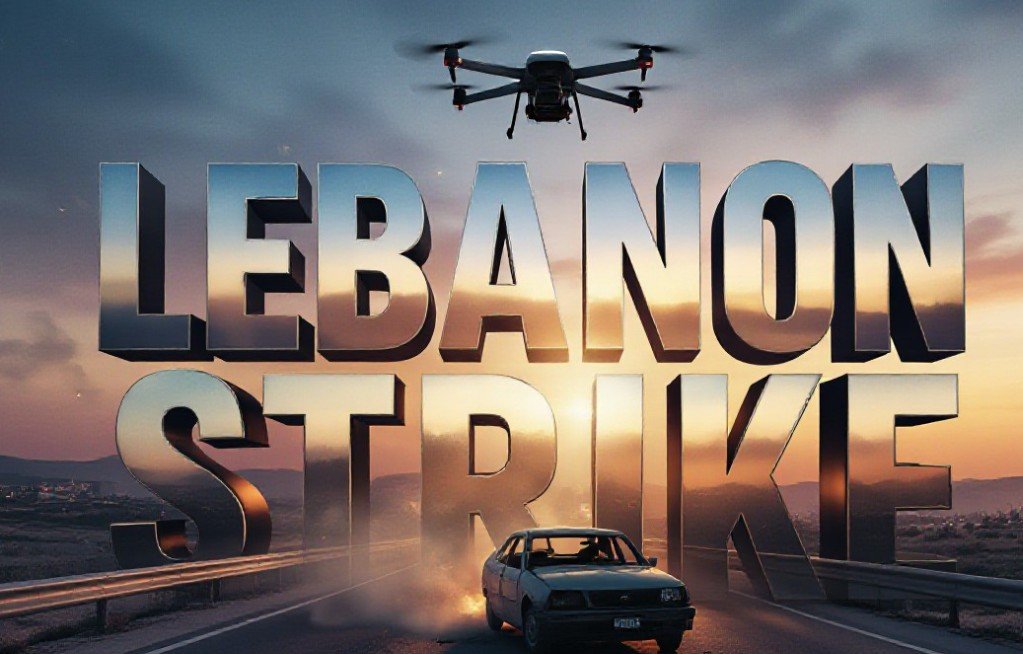
Since then, Israel has carried out numerous strikes in Lebanon, mostly in the south and often justified as targeting Hezbollah fighters or infrastructure. But local Lebanese reports and casualty figures show a continuing toll. According to an AFP tally based on Lebanese health ministry data, more than 370 people have been killed by Israeli fire in Lebanon since the ceasefire took effect.
This latest attack appears to be the first publicly claimed strike against Islamic Jihad in eastern Lebanon since the ceasefire. Islamic Jihad’s fighters are allied with Hezbollah and have occasionally carried out attacks from Lebanese soil alongside other groups.
Reaction From Beirut
Lebanese leaders and authorities have condemned the strike. Government officials called it a serious violation of the ceasefire and a breach of Lebanese sovereignty. Many Lebanese voices, including politicians and civil society figures, argue that such attacks risk dragging the country back into full conflict.
There is also growing anger over how the ceasefire has been implemented. Although the truce was meant to curb violence, Lebanon’s army and its civilian population say Israel has continued air and drone operations without facing legal consequences. Local commentators have said these incidents deepen trauma and distrust among communities living near the border.
Broader Context of Cross‑Border Tensions
The Israel‑Lebanon front has been volatile for decades. Hezbollah, the powerful Iran‑aligned Lebanese group, has been the main adversary of Israel in Lebanon since the 1980s. The group’s heavy involvement in supporting Hamas during the Gaza war triggered the extended conflict that lasted into 2024.
Under the 2024 ceasefire, both sides made commitments to reduce hostilities and implement United Nations resolutions aimed at stabilizing the border. Part of that plan included efforts by the Lebanese government to disarm non‑state armed groups in border areas. Some Palestinian factions in Lebanon handed over weapons to Lebanese authorities last year under this initiative. But Hamas and Islamic Jihad did not participate in these disarmament measures and remain active in parts of the country.
Over months, smaller drone strikes, vehicle attacks and skirmishes have occurred, mainly in southern Lebanon. In January 2026, strikes in the Tyre and Nabatieh districts killed at least two people and wounded many more. Those incidents were also described by Beirut as violations of the ceasefire.
Civilian Toll and Human Impact
While the most recent casualties were described by Israel as militants, Lebanese health officials and local reports often highlight the human cost of these strikes. Multiple incidents since the ceasefire have affected civilians, including families travelling near the border or workers in towns and villages close to contested areas.
Earlier this month, for example, a father and his young son were killed in a separate drone strike in southern Lebanon that targeted a Hezbollah figure, but also hit a civilian area. Mourners described deep sorrow and a sense of vulnerability among border communities.
These deaths, over months of sporadic violence, have left many Lebanese residents feeling anxious and insecure, especially in areas where cross‑border tensions are a daily reality rather than a distant headline.
Why This Matters Now
This latest strike comes at a sensitive moment. Regional tensions involving Israel, Lebanon and other actors like Iran and Syria continue to shape Middle East geopolitics. Even the October 2023 war led to major upheaval, displacement and destruction in both Lebanon and Gaza, with thousands killed and wounded.
International observers and peace advocates have called for renewed efforts to strengthen the ceasefire, protect civilians and clarify the legal responsibilities of each side. But as long as militant groups remain active near Israel’s borders, and as long as Israel conducts cross‑border strikes, the risk of a larger escalation remains.
What Comes Next
Lebanon’s government has signaled that it will pursue diplomatic action to hold Israel accountable for what it calls violations of international agreements. Calls are growing for the United Nations and global powers to intervene more decisively to enforce the terms of the ceasefire and prevent further loss of life.
For now, communities along the eastern and southern borders remain on alert, uncertain whether the next explosion will be the start of a broader conflict or another isolated episode.
What do you think about this strike and its impact on long‑term peace in Lebanon and the wider region? Comment below and share your views.
