Israel’s government is shifting its focus from preventive social programs to stricter enforcement in Arab communities, a move critics say is worsening violence. As of early 2026, this policy change comes amid record-high murders in 2025, sparking debates on trust and long-term stability.
Rising Violence Hits Record Levels
In 2025, Arab communities in Israel saw 252 murders, marking the deadliest year on record. This surge continues a troubling trend, with killings more than doubling in recent years.
Experts point to organized crime, family feuds, and economic despair as key drivers. Police reports show most cases remain unsolved, leaving families without justice.
The violence includes a record number of women victims, highlighting deeper social issues. Community leaders warn that without change, 2026 could see even higher numbers.
Shift from Prevention to Enforcement
The government has cut funding for social investments, redirecting money to police and security forces. This includes diverting hundreds of millions of shekels from education and health programs in Arab areas.
Officials argue these steps are needed for immediate safety. Yet, analysts say coercion alone ignores root causes like poverty and inequality.
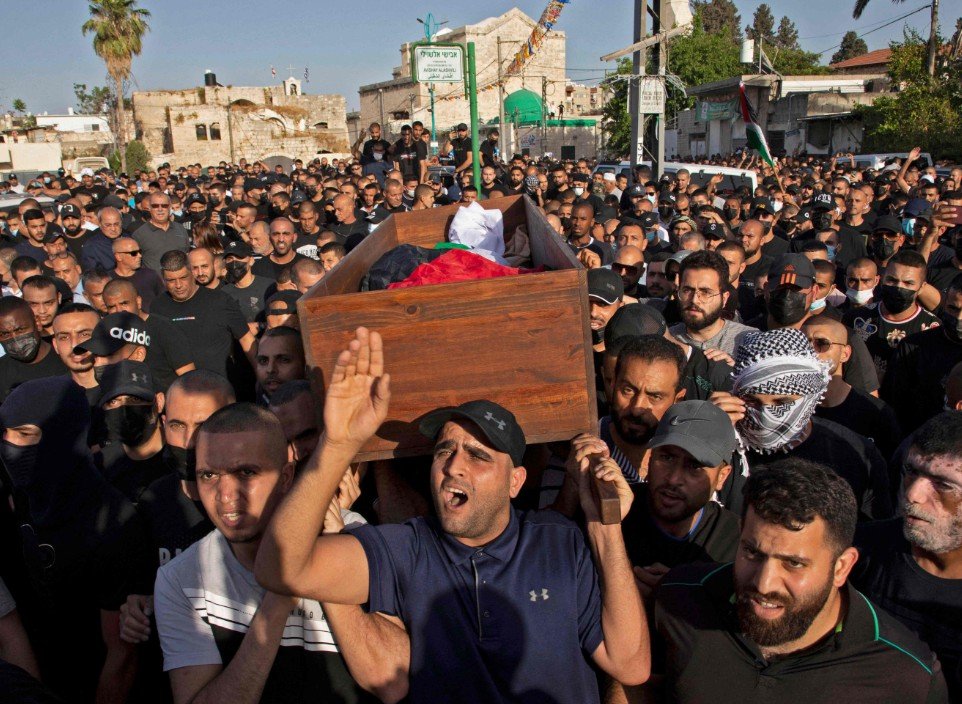
One recent decision moved 220 million shekels from community programs to intelligence and law enforcement. Supporters claim it will curb crime waves, but opponents see it as short-sighted.
This approach echoes past policies that favored force over support. In 2023, homicide rates spiked under similar leadership, raising questions about effectiveness.
Impact on Trust and Community Ties
Cutting social funds erodes trust between Arab citizens and the state. Many feel targeted rather than protected, leading to less cooperation with police.
Local leaders report that fear keeps witnesses silent, allowing criminals to operate freely. This cycle fuels more instability and isolation.
In northern Israel, operations to stop murders have increased, but residents say they feel like suspects. Surveys show declining faith in government efforts.
Experts suggest rebuilding ties through inclusive policies. Without this, divisions could widen, affecting national security.
- Community programs cut: Education and health initiatives lose millions, hitting youth hardest.
- Enforcement boosts: More police raids and surveillance, but solve rates stay low.
- Public response: Protests in Arab towns demand balanced approaches.
Budget Choices and Broader Effects
Israel’s 2026 budget prioritizes security over social welfare, with major allocations for defense and policing. This includes 2.35 billion shekels for global campaigns, while local needs suffer.
Finance leaders defend the moves as necessary amid threats. However, critics highlight how these cuts deepen socioeconomic gaps.
A five-year plan for Arab society once promised billions for development. Now, parts of it are slashed, sparking outcry from rights groups.
The table below shows key budget shifts affecting Arab communities:
| Area | 2025 Funding (Shekels) | 2026 Allocation (Shekels) | Change |
|---|---|---|---|
| Social Programs | 500 million | 280 million | -44% |
| Police Enforcement | 1.2 billion | 1.5 billion | +25% |
| Education Initiatives | 300 million | 150 million | -50% |
| Crime Prevention | 200 million | 100 million | -50% |
These figures reveal a clear pivot to coercion. Long-term, this could strain resources and heighten tensions.
Recent events, like unrest in nearby regions, add pressure. Analysts link internal crime to wider instability, urging a rethink.
Calls for a Balanced Strategy
Advocates push for restoring preventive measures alongside enforcement. They argue that investing in jobs and schools could break the violence cycle.
Successful models from other countries show how community-led efforts reduce crime. In Israel, pilot programs in some areas have lowered incidents through dialogue.
Policymakers face growing pressure as elections loom in 2026. Arab parties are mobilizing, seeking more influence on these issues.
Share your thoughts on this policy shift in the comments below, and spread the word to raise awareness about solutions for safer communities.