
Israeli forces launched intense airstrikes on Gaza City, killing at least 53 people and destroying 16 buildings, including three major residential towers. This escalation happened on September 14, 2025, as part of a broader push to capture the area, worsening the humanitarian crisis with rising famine deaths.
Rising Death Toll from Strikes
Medical officials reported that 35 of the deaths occurred in Gaza City alone. The strikes targeted homes, schools, and shelters, leaving many trapped under rubble.
Rescue teams worked through the night to pull survivors from the debris. Witnesses described scenes of chaos as families searched for loved ones amid the ruins.
The attacks have displaced thousands more, adding to the over 50,000 already homeless from recent bombardments. Officials say the destruction aims to force evacuations from what Israel calls a militant stronghold.
- At least 12 children among the dead, according to hospital records.
- Two additional deaths from malnutrition, pushing the famine toll to 422 since the conflict began.
- Strikes hit high-rise buildings accused of housing surveillance equipment.
Widespread Destruction of Infrastructure
The bombardment leveled key structures, including the al-Kawthar tower in the Remal neighborhood. Residents received warnings before the strikes, but many had nowhere safe to go.
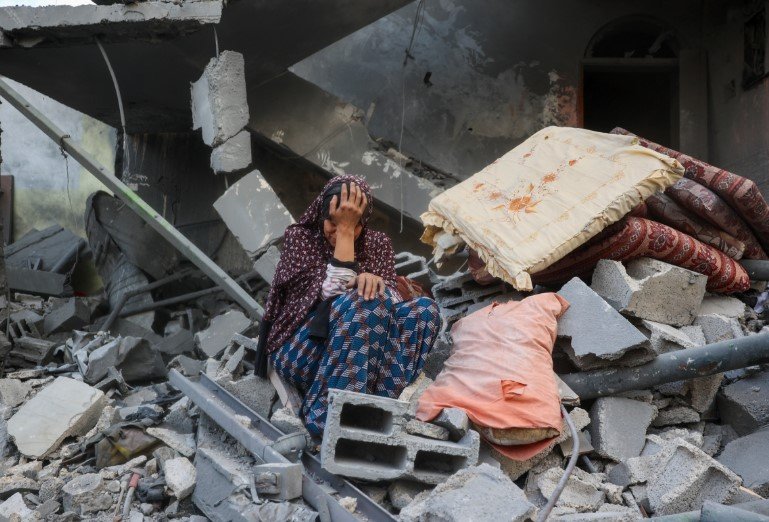
Entire neighborhoods now resemble wastelands, with over 130 residential buildings destroyed in the past week. This has crippled access to basic services like water and electricity.
Displaced people like Marwan al-Safi voiced desperation, saying they face death from bombs or starvation. The offensive has intensified over recent days, with multiple high-rises targeted.
The following table shows key details of recent strikes:
| Date | Location | Structures Destroyed | Casualties |
|---|---|---|---|
| September 13 | Tel al-Hawa | 7 high-rises | 32 killed |
| September 14 | Remal neighborhood | 3 towers, 13 others | 53 killed |
| September 15 | Northern Gaza | Multiple shelters | Ongoing reports |
This pattern of attacks has drawn global concern for civilian safety.
Famine Crisis Deepens Amid Conflict
Hunger deaths continue to climb, with two more reported on Sunday. The Ministry of Health notes that malnutrition has claimed 422 lives, including many children, since the war started.
Aid groups warn that mass displacement is making the situation worse. Blocked roads and destroyed facilities hinder food distribution, leading to starvation in isolated areas.
Recent protests and flotillas from other countries highlight efforts to break the blockade and deliver supplies. However, ongoing strikes complicate these missions.
Families in Gaza City report scavenging for food amid the ruins, with children suffering the most from lack of nutrition.
International Reactions and Calls for Ceasefire
World leaders have condemned the strikes, urging an immediate halt to protect civilians. The United Nations reported that 10 of its buildings were hit in just four days.
Aid agencies describe the attacks as systematic, targeting essential services like hospitals and schools. This has sparked debates on forced displacement and its long-term effects.
Protests in places like Spain show growing global solidarity. A recent cycling event was disrupted by demonstrators calling for peace.
Experts say the conflict ties into broader regional tensions, including responses to attacks from Qatar.
Path Forward Amid Uncertainty
As the offensive continues, questions remain about a potential ground operation. Hostage families in Israel protested for quicker resolutions.
The crisis underscores the need for diplomatic solutions to end the violence and address humanitarian needs.
Share this article if it helped you understand the situation better, and leave a comment with your thoughts on how the world can respond.
