Tensions in the Middle East spiralled sharply this week as Iran intensified its drone and missile attacks on US diplomatic missions in the region. On March 3, 2026, suspected Iranian drones struck the US Embassy in Riyadh, Saudi Arabia, and the US Consulate in Dubai, United Arab Emirates, igniting fires and prompting increased evacuation advisories from US and allied states. These assaults mark the most dramatic expansion yet in the widening conflict between Iran and the United States and its allies.
Sharp Spike in Attacks on US Diplomatic Sites in Gulf
At the US Embassy in Riyadh, Saudi defense officials confirmed two drone strikes early Tuesday morning, which caused a small fire and minor material damage to the embassy complex. No casualties have been reported, likely because the facility was largely unoccupied at the time. Local authorities activated emergency protocols, and American citizens in cities like Riyadh, Jeddah and Dhahran were urged to shelter in place as air defenses worked to intercept further attacks.
Later the same day in Dubai, a suspected Iranian drone struck a parking area near the US Consulate, setting off a blaze that was brought under control by firefighting units within about 45 minutes. No injuries were reported, and officials in the United Arab Emirates emphasized that safety measures were effective.
These strikes are part of a larger wave of Iranian missile and drone attacks launched in response to a major US-Israeli air campaign targeting Iranian military and strategic sites earlier in the conflict.
How the Conflict Reached This Point
Since late February 2026, the Middle East has seen one of its fiercest escalations in years. After coordinated US and Israeli strikes inside Iran, Tehran responded with a sustained barrage of drones and missiles aimed at American military and diplomatic facilities across the Gulf region, including Bahrain, Kuwait and Qatar.
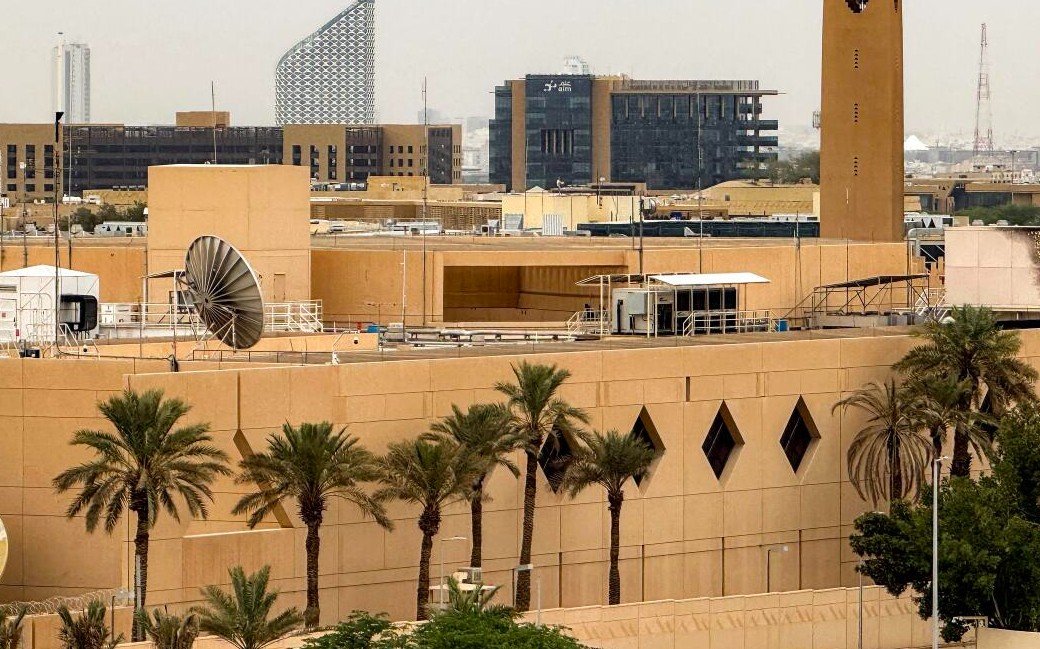
The United States reported striking nearly 2,000 targets inside Iran, escalating military engagement in the conflict. As a result, Tehran expanded its retaliation efforts, aiming at US bases and diplomatic missions to signal its resolve.
In parallel with the embassy strikes, Iranian forces also targeted other strategic locations. For example, debris from intercepted drones caused a fire at Fujairah Port in the UAE, though again, no injuries were reported.
International Reactions and Security Alerts
Global reaction to the attacks has been swift and serious. Saudi Arabia condemned the strikes on the US embassy in Riyadh, calling them violations of international diplomatic norms and warning that the kingdom would take necessary measures to defend its territory and people.
Meanwhile, the US State Department has closed several diplomatic missions in the region, including embassies in Saudi Arabia, Kuwait and Lebanon. In addition, non-emergency personnel and families have been authorized to leave countries like Saudi Arabia and Oman amid escalating violence.
President Donald Trump has publicly stated that the conflict may extend for weeks, emphasizing that the United States is prepared for a prolonged confrontation if necessary.
The Wider Security Landscape in the Middle East
These attacks are not isolated incidents. They occur in the context of simultaneous clashes across multiple fronts, including Lebanese territories, Iranian cities, and Gulf airspaces. In Kuwait, Iranian strikes have previously hit military facilities and civilian infrastructure, leading to interceptions of dozens of missiles and drones.
The war’s regional impact is affecting global security and economics. Some analysts warn that continued escalation could disrupt energy markets, pushing oil prices significantly higher, potentially beyond 200 US dollars per barrel if major production or export hubs are targeted.
Governments worldwide, including European states, have urged restraint and pointed to the risk of a broader regional war. Iran, for its part, has warned that any further military actions against it could be considered acts of war by European nations.
What This Means for Civilians and Diplomats
For diplomats stationed in conflict zones, the situation remains fluid and dangerous. The shelter-in-place advisories and evacuation orders reflect genuine concerns about ongoing drone and missile threats. Civilians in Gulf cities have also faced disruptions, including airspace closures, heightened security checks and occasional debris fallout from intercepted attacks.
Local emergency teams in cities like Dubai and Riyadh have been lauded for their rapid response to fires caused by the strikes, ensuring no loss of life so far. However, the psychological impact of repeated attacks cannot be understated. Families of expatriates and long-term residents in the region are grappling with uncertainty and fear amid rising hostilities.
Global Diplomatic Relations Under Strain
These unprecedented strikes on diplomatic posts underscore how fragile international norms have become amid the conflict. Attacks on embassies, protected under international law even during warfare, reflect an escalation far beyond conventional battlefield engagements.
World leaders are now closely monitoring developments, balancing calls for de-escalation with strategic military support to allies.
This intensifying conflict shows no signs of immediate resolution, and the risk of miscalculations leading to broader confrontations remains high.
As events unfold, analysts say the coming days will be crucial in determining whether diplomatic channels can still play a role in ending the violence or whether the Middle East will be drawn deeper into a prolonged war.
Share your thoughts on this escalating crisis and discuss how world powers should respond in the comments. Use #MiddleEastTensions on social media to join the global conversation.