Tensions in the Middle East have taken a dramatic turn this week as a drone attack struck Saudi Arabia’s critical Ras Tanura oil refinery, one of the world’s largest energy facilities, raising fears of broader regional conflict and economic disruption. Iran has publicly denied responsibility for the attack, even as regional skirmishes and retaliatory strikes spread to multiple Gulf states. The incident underscores how the ongoing war between Iran and an alliance including the United States and Israel is now engulfing key energy infrastructure across the Middle East.
Smoke and Fire at Ras Tanura Refinery Amid Conflict Escalation
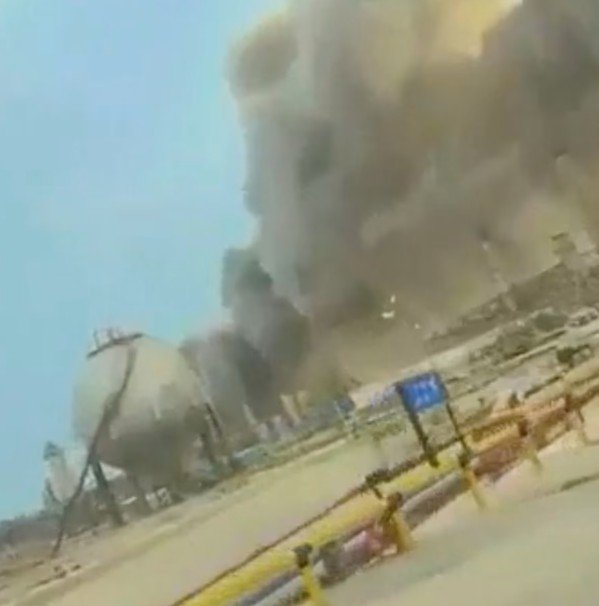
On March 2, thick plumes of smoke rose from the Ras Tanura refinery in Saudi Arabia’s Eastern Province, near Dammam, after two drones approached the facility and were intercepted by Saudi air defenses, according to the Saudi Ministry of Defense. The debris caused a localized blaze, prompting precautionary shutdowns of certain operational units. Authorities reported no casualties and no major damage to the infrastructure itself, though some operations were temporarily halted.
Ras Tanura is a central hub of Saudi Aramco’s refining and export capacity, processing roughly 550,000 barrels of crude per day. It also sits at a critical export point for crude oil heading to markets in Europe and Asia. State energy sources confirmed that the shutdown was a cautionary step to ensure worker and supply safety, adding that domestic distribution was not immediately impacted.
The drone strikes occurred against the backdrop of a broader series of regional hostilities. In the days prior, the United States and Israel launched coordinated air and missile strikes on Iran, killing high‑ranking officials, including Supreme Leader Ayatollah Ali Khamenei. Iran responded with its own aerial attacks on multiple fronts, including strikes targeting bases in Saudi Arabia, Kuwait, Qatar, and the United Arab Emirates.
Iran’s Denial and Diplomatic Position
Despite widespread speculation and mounting tensions, Iran has firmly denied any involvement in the attack on the Saudi oil facility. Saeed Khatibzadeh, Iran’s Deputy Foreign Minister for Political Affairs, told CNN that Tehran was not behind the bombing and has communicated its position directly to Saudi authorities. He emphasized that Iran had no role in targeting the Saudi oil field, adding that such allegations were unfounded.
This denial comes amid speculation that the attack could have been a false‑flag operation or the work of non‑state actors, designed to pull Gulf states further into the conflict or shift public perception amidst ongoing warfare. Analysts caution that attributing responsibility in such a complex and rapidly evolving conflict requires careful consideration of evidence and motives from all involved parties.
Saudi leaders have not publicly named who was responsible, though the incident has stoked anger and concern among Gulf Cooperation Council (GCC) nations. Some international commentators argue that Iran may gain little by directly engaging Saudi energy infrastructure when many other targets exist that are already embroiled in the conflict with U.S. and Israeli forces. Nonetheless, regional leaders have hinted at rising frustration over Iranian proxies and missile capabilities, with some considering more active defensive measures.
The Broader Scope of Fighting and Energy Sector Impact
This attack on Ras Tanura comes as part of a wider campaign of strikes and counterstrikes across the Middle East. Beyond Saudi Arabia, drone and missile attacks have struck energy infrastructure in Qatar, the UAE, and Kuwait, prompting some facilities to halt operations entirely. Qatar’s liquefied natural gas output, which supplies around 20 percent of the global LNG market, briefly paused, raising immediate concerns about energy shortages and price spikes worldwide.
The ongoing conflict has also affected shipping routes, particularly around the Strait of Hormuz, through which a significant portion of the world’s oil supply flows. Attacks on maritime traffic and threats to vessels have caused tanker traffic to plunge, and some companies have suspended operations in the area. These developments have had a ripple effect, with Brent crude prices jumping sharply as markets reacted to potential supply constraints.
The United States and its allies have increased military deployments in the region, seeking to protect crucial infrastructure and reassure partners. Still, the volatility has made even fortified facilities like Ras Tanura vulnerable to asymmetric threats such as drones and ballistic missiles, underscoring how modern conflicts can rapidly affect civilian supply chains and global markets.
Historical Context and Regional Stakes
Saudi Arabia’s oil infrastructure has faced threats before. In 2019, coordinated drone and missile attacks damaged the Abqaiq and Khurais facilities, temporarily knocking out a significant slice of the kingdom’s oil processing capacity and rattling global energy markets. That attack was widely attributed to Iran‑aligned Houthi rebels in Yemen, though Tehran denied direct involvement at the time.
What is distinct this time is the direct linkage of the conflict to a broader war between Iran and an alliance that includes the U.S. and Israel. Saudi Arabia and other Gulf states are now balancing internal security with collaborative defense efforts, raising the possibility that long‑neutral nations could shift toward more overt involvement in regional hostilities.
The attack on energy infrastructure not only raises immediate economic concerns but also carries symbolic weight. Energy exports are a cornerstone of Gulf economies, and disruptions—even temporary ones—send shockwaves through global markets, affecting inflation, supply chains, and geopolitical alignments.
Voices from the Ground and Global Reaction
Officials and analysts are urging caution, emphasizing that the situation remains fluid. Governments around the world have been updating travel advisories, issuing warnings to citizens in the region, and assessing the broader implications of sustained conflict. In capitals from Washington to Brussels, policymakers are evaluating how the escalation might influence diplomatic ties and energy security strategies.
At the same time, residents in Gulf cities report heightened anxiety as air raid sirens and government advisories become more common. Families with ties to Gulf states express concern about continued economic stability and personal safety, particularly as international media circulates images of smoke over refineries and diplomatic compounds.
Energy analysts say that, while markets have so far remained stable enough to avoid immediate shocks, prolonged disruptions could drive prices sharply higher and constrain supplies for months, especially if attacks on critical infrastructure continue. Many are watching closely for how Saudi Arabia, the U.S., and other regional powers choose to respond — diplomatically or militarily — to the attack and to Iran’s denial.
The conflict in the Middle East shows no clear resolution in sight, and the attack on Ras Tanura marks a dramatic entry of energy infrastructure into the theatre of war, making it a pivotal moment for global economics and geopolitics.