Iran has thrown a major roadblock in front of planned peace talks with the United States. Tehran says it will not sit down at the table until Israel stops its military actions in Lebanon and frozen Iranian assets are released. This firm stance comes just as delegations gather in Pakistan for high-stakes negotiations that could shape the future of the Middle East.
Talks hang in the balance as demands surface
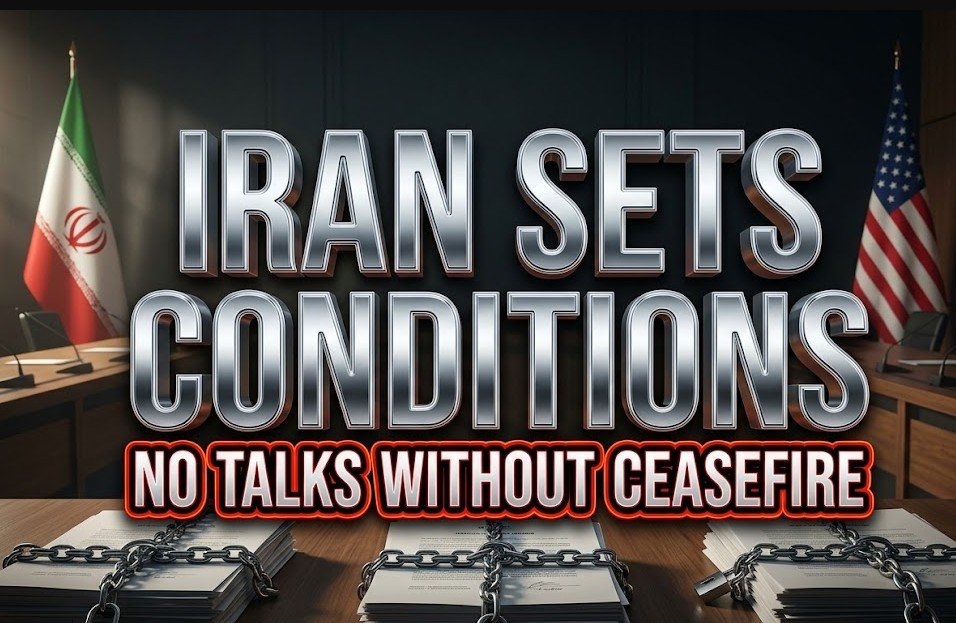
Iranian Parliament Speaker Mohammad Bagher Ghalibaf made the position crystal clear on April 10, 2026. He stated that two key steps must happen first. These include a full ceasefire in Lebanon and the unfreezing of Iranian assets held overseas.
These two matters must be fulfilled before negotiations begin. Without them, Iran sees no point in starting formal discussions. The comments highlight deep distrust after weeks of conflict and a fragile two-week ceasefire between the US and Iran.
The Iranian delegation, including Ghalibaf and Foreign Minister Abbas Araghchi, has already arrived in Islamabad. US officials, reportedly led by high-level figures including Vice President involvement, are also heading there. Pakistan is playing the crucial mediator role in what many hope could lead to lasting peace.
Lebanon ceasefire emerges as major sticking point
The situation in Lebanon sits at the heart of Iran’s conditions. Israeli forces continue operations against Hezbollah in southern Lebanon. Reports show military vehicles active near the border and fresh strikes reported as recently as April 10.
Iran views these actions as violations of the broader ceasefire framework. Ghalibaf pointed to an agreement that should have covered the entire region, including Lebanon’s front. Yet Israel maintains that its campaign against Hezbollah remains separate.
This disagreement threatens to unravel the temporary truce. Hezbollah, backed by Iran, has faced intense pressure. Thousands have been displaced, and the humanitarian situation grows more serious by the day.
Lebanese and Israeli diplomats are now set to meet in Washington soon. These separate talks aim to address the Lebanon conflict directly. Success there could help unlock the bigger US-Iran negotiations.
- Full implementation of regional ceasefire including Lebanon
- Halt to strikes on Hezbollah positions
- Protection for civilians caught in crossfire
These steps represent Iran’s red lines for moving forward.
Frozen assets hold economic and symbolic weight
The second major demand involves billions in Iranian assets frozen abroad due to sanctions. Tehran sees their release as essential proof of good faith from the US side.
Past deals, such as prisoner swaps, have seen limited access to these funds for humanitarian purposes. Iran now wants broader unfreezing as part of any serious dialogue.
Experts note that these assets could help stabilize Iran’s economy, which has suffered under years of restrictions. Oil exports, banking access, and trade all tie into this issue.
For the US, releasing funds carries political risks at home. Critics worry about strengthening Iran’s position without firm guarantees on its nuclear program and regional activities.
The assets represent both money and a test of trust. Their release could signal a real chance for de-escalation. Without it, talks may collapse before they truly start.
Pakistan works to keep fragile process alive
Pakistan finds itself in a delicate but important position. As mediator, it hosts the talks in Islamabad with tight security in place. The city has seen lockdowns and extra forces deployed ahead of the meetings.
Pakistani Prime Minister Shehbaz Sharif pushed for these direct talks. Both sides accepted the invitation, though Iran’s conditions now cast doubt on the schedule.
The venue choice makes sense. Pakistan shares borders and history with Iran while maintaining ties to the US. Success could boost its image as a diplomatic player.
Yet the challenges are huge. Deep mistrust exists after recent escalations that included strikes and high-level tensions. A two-week ceasefire offers a narrow window, but violations on the ground test its limits.
Analysts watch closely for any signs of compromise. Indirect channels through Oman and others helped reach the initial truce. Now direct talks in Pakistan represent the next step, if they happen.
Regional powers and global impact loom large
The outcome matters far beyond the two main players. Saudi Arabia, Gulf states, and European nations all have stakes in reduced tensions. Global oil markets react nervously to any threat of disruption in the Strait of Hormuz.
Houthis in Yemen have also entered the picture with recent missile activity. This shows how connected the various fronts remain through Iran’s network of allies.
Ordinary people in the region carry the heaviest burden. Families in Lebanon, Iran, and Israel have lost loved ones and homes. Many hope these talks bring relief after years of uncertainty.
A path toward stability or renewed conflict?
As delegations prepare in Islamabad, the world waits to see if Iran’s conditions can be met. The coming days will test whether trust can be rebuilt enough for real progress.
This moment feels critical. A successful agreement could open doors to wider stability, economic recovery, and reduced suffering across the Middle East. Failure risks pulling the region back into dangerous escalation.
Readers, what do you think about these preconditions? Do they seem reasonable given the history, or do they risk missing a chance for peace? Share your thoughts in the comments below. If you’re following the developments, join the conversation on social media using #USIranTalks and discuss with friends and family.