In a major step to reshape economic ties between New Delhi and Tel Aviv, India and Israel have began negotiations for a landmark Free Trade Agreement at the same time that Prime Minister Narendra Modi has arrived in Israel on February 25 for a two-day state visit. This development could unlock new opportunities for businesses, strengthen strategic cooperation, and alter the regional economic map, with global eyes watching closely.
India and Israel Kick Off First Round of FTA Talks
The first official round of discussions for the proposed India-Israel Free Trade Agreement (FTA) began on February 23 in New Delhi, and will continue until February 26. Officials from both countries have met to map out a structured negotiation process that aims to reduce trade barriers, expand market access, and provide a clearer framework for the future of bilateral commerce.
Key topics under discussion include:
-
Trade in goods and services
-
Rules of origin for products
-
Customs procedures and trade facilitation
-
Sanitary and phytosanitary standards
-
Technical barriers to trade and intellectual property rights
Total merchandise trade between the two nations stood at USD 3.62 billion in the 2024-2025 financial year, highlighting the growth potential in economic exchange. The FTA, once concluded, is expected to provide greater certainty and predictability to businesses and entities such as micro, small and medium enterprises that often struggle with tariff volatility.
Modi’s State Visit Highlights Strategic Ties
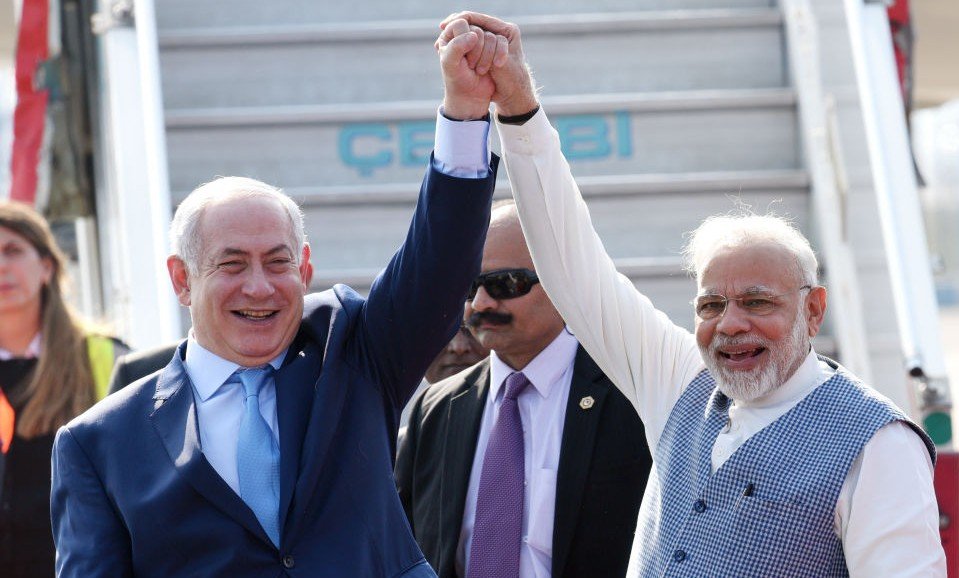
Prime Minister Narendra Modi landed in Tel Aviv on February 25 for a state visit that runs through February 26. This marks his second official visit to Israel, following his historic first trip in 2017. During the visit, Modi is scheduled to hold wide-ranging talks with Israeli Prime Minister Benjamin Netanyahu, with defence, technology and economic cooperation at the top of the agenda.
Officials have highlighted that the FTA negotiations are timed perfectly with the visit to signal a new phase in bilateral relations. In addition to trade, discussions are expected to cover:
-
Defence and security cooperation
-
Innovation and technology sharing
-
Agriculture and water management
-
Cybersecurity and artificial intelligence partnerships
Modi’s visit also includes formal engagements such as addressing the Israeli Knesset and paying his respects at Yad Vashem, the World Holocaust Remembrance Centre, deepening diplomatic and cultural ties.
What the FTA Could Mean for Businesses
An India-Israel Free Trade Agreement could be a game changer for bilateral commerce and investment flows. Analysts and officials highlight several potential benefits:
-
Lower Duties and Easier Market Access: Reductions in import duties and better trade rules could make goods and services more competitive in both markets.
-
Boost for Small Businesses: By offering clearer and more predictable trading conditions, the FTA can help MSMEs plan for export expansion and attract investment.
-
Stronger Technology Exchange: Both countries have strong complementarities in sectors like artificial intelligence, cybersecurity and high-tech manufacturing, which might flourish under freer trade conditions.
Officials say that while the FTA will not be concluded overnight, the ongoing talks could pave the way for a final pact later this year, possibly before the end of 2026.
Challenges and Strategic Considerations
Despite the optimism, there are real challenges in finalising the agreement. Negotiators need to balance trade liberalisation with protections for sensitive sectors, and ensure mutual benefits without overwhelming smaller domestic industries. Both sides are carefully analysing tariff schedules, rules of origin, and regulatory alignments to ensure the deal is equitable.
Another layer of complexity comes from the broader geopolitical context. With regional tensions in the Middle East and global supply chain concerns, both countries are trying to balance strategic interests while deepening economic ties, especially given the ongoing security situation involving the United States and Iran.
Historical and Long-Term Context
India and Israel have steadily built a strong strategic partnership in the last decade, encompassing defence, science and technology and educational ties. In September 2025, the two nations signed a Bilateral Investment Treaty to protect investors and encourage cross-border investments, laying further groundwork for the proposed FTA.
This newest push for an FTA reflects both nations’ desire to formalise trade collaboration on a bigger scale. Over the past years, Israeli tech companies have invested significantly in Indian technology sectors, while Indian firms have explored opportunities in Israeli innovation hubs.
India’s broader trade strategy also includes negotiations with the Gulf Cooperation Council (GCC) to secure deeper market access across West Asia, reflecting a significant diplomatic and economic pivot for New Delhi on the global stage.
The launch of FTA talks and PM Modi’s visit to Israel this week mark a defining moment in India’s economic diplomacy that could reshape business opportunities and trade patterns across continents.