
The Grand Egyptian Museum opened its doors on November 1, 2025, in Giza, showcasing ancient treasures like King Tutankhamun’s full tomb collection and sparking global talks. But social media erupted with claims that modern Egyptians lack true ties to this past, calling them colonizers of a stolen heritage, while experts and locals push back to affirm cultural links.
Opening Ceremony Draws Crowds and Criticism
Thousands gathered for the museum’s grand launch, complete with fireworks, orchestral music, and projections of artifacts lighting up the night sky over the pyramids. World leaders from over 80 countries attended, marking a milestone after two decades of construction and a billion-dollar investment.
The event aimed to celebrate Egypt’s ancient glory, but it quickly became a flashpoint. Some viewers praised the spectacle for boosting national pride, while others saw it as out of touch amid economic struggles. Reports show visitor numbers rivaling top global museums like the Louvre, with around 18,000 people on the first public day.
Critics noted the heavy opera influence, describing it as tailored for international audiences rather than reflecting everyday Egyptian life. One local shared mixed feelings, saying the show stirred pride but also highlighted current hardships.
Social Media Fuels Identity Clash
Online platforms buzzed with heated discussions right after the ceremony. Users from the African diaspora argued that ancient Egyptians were Black Africans, and modern residents are descendants of later invaders or colonizers.
Posts on X and other sites claimed the museum promotes a narrative that erases true African roots. For instance, some pointed to Nubian influences in ancient culture, demanding more representation in the exhibits.
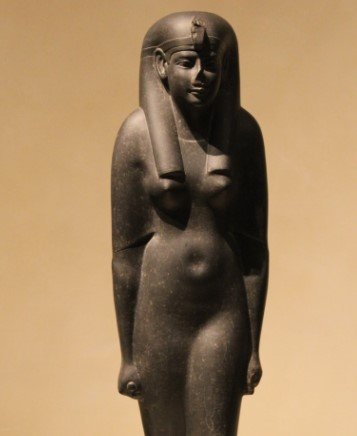
This backlash isn’t new, but the museum’s high-profile opening amplified it. Supporters of modern Egyptians countered by sharing images of locals resembling ancient statues, emphasizing shared features like facial structures.
The debate spread to forums like Reddit, where threads dissected historical migrations and cultural shifts, blending facts with strong opinions.
Genetic Links Bridge Ancient and Modern Egypt
Science offers clarity in this debate. Studies reveal strong continuity between ancient and current populations.
- DNA analysis shows 80 to 90 percent genetic overlap with ancient Egyptians.
- Modern groups have 8 to 15 percent more sub-Saharan influences due to historical migrations.
- Islam’s arrival in the seventh century brought cultural changes, not a full population replacement.
These findings come from research on mummies and living samples, debunking ideas of complete disconnection. Experts stress that Egypt’s history involves layers of influences from Africa, the Mediterranean, and the Middle East.
Cultural practices also persist, like festivals and art styles that echo pharaonic times. This evidence supports the view that modern Egyptians are rightful heirs to this legacy.
Cultural Pride Amid Economic Strains
The museum symbolizes national achievement, housing over 100,000 artifacts in a massive complex near the pyramids. It features halls dedicated to Tutankhamun and interactive displays of daily ancient life.
Yet, the opening highlighted paradoxes. Egypt faces inflation, debt, and regional tensions, making the lavish event seem tone-deaf to some.
Locals expressed pride in their heritage but frustration with the government. One commenter noted the irony of celebrating past glories while ignoring present needs, like poverty and unemployment.
The museum also renews calls for returning artifacts from abroad, such as the Rosetta Stone, to complete the story at home.
| Key Museum Highlights | Description |
|---|---|
| Tutankhamun Exhibit | Full display of 5,500 tomb items, first time ever. |
| Grand Statue | Largest standing ancient king statue on Earth. |
| Visitor Impact | Daily crowds match global icons, boosting tourism. |
| Construction Cost | Over $1 billion, delayed for 20 years. |
This table shows why the site draws attention, blending education with spectacle.
Nubian Representation and Broader Inclusion
Egypt’s Nubian community, with roots in the south, adds depth to the identity discussion. The ceremony included a Nubian singer and dancer, nodding to this heritage, but many felt it fell short.
Nubians speak languages like Nobiin and maintain traditions tied to ancient times. Calls grow for more exhibits on their role in pharaonic history, which could address diaspora concerns.
Broader efforts include recognizing diverse influences, from Coptic Christians to Arab elements, in modern Egypt. This approach aims to unite rather than divide.
Looking Ahead: Unity in Heritage
As debates continue, the museum stands as a bridge between eras. It invites global visitors to explore Egypt’s full story, encouraging understanding over division.
Experts urge learning about modern Egypt to appreciate its complexities, moving beyond simplistic views. This could foster respect for all who claim this rich past.
What do you think about the museum’s role in shaping identity? Share your views in the comments and spread this story to keep the conversation going.
