
Egypt’s iconic Pyramids of Giza have captured fresh attention with recent discoveries of mysterious voids that could point to unknown entrances, just as the Grand Egyptian Museum opens its doors in November 2025. This billion-dollar facility near Cairo showcases over 100,000 ancient artifacts and offers stunning views of the pyramids, blending modern wonder with timeless history.
Grand Egyptian Museum Debuts as Global Attraction
The Grand Egyptian Museum, located on the Giza Plateau, fully opened to the public in early November 2025 after two decades of construction and a cost exceeding one billion dollars. This massive structure, the world’s largest museum dedicated to a single civilization, houses treasures from ancient Egypt, including the complete collection from King Tutankhamun’s tomb displayed together for the first time.
Visitors can now explore 24,000 square meters of exhibition space filled with artifacts spanning seven millennia. The museum’s design features a grand atrium with panoramic views of the three main pyramids, creating a direct link between the exhibits and the actual sites. Officials expect it to draw millions of tourists annually, boosting Egypt’s economy through cultural tourism.
Early reviews from travelers highlight the immersive experience, with interactive displays and restored items like golden chariots and intricate jewelry. The opening has sparked renewed calls for the return of Egyptian artifacts held in foreign museums, adding a layer of international debate to the event.
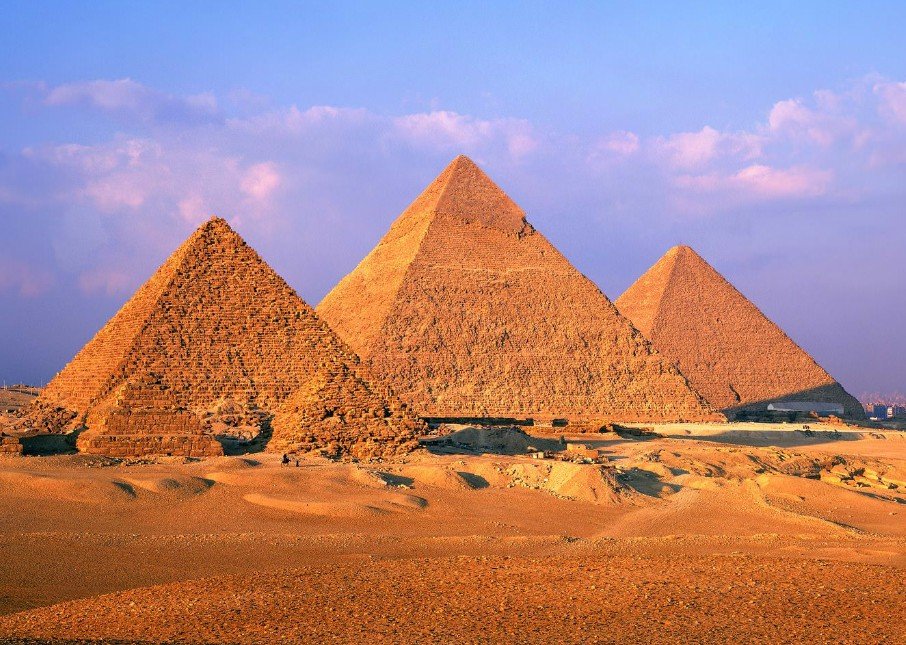
Mysterious Voids Spark Excitement in Menkaure Pyramid
Recent scans in November 2025 revealed two anomalous voids on the eastern face of the Menkaure Pyramid, the smallest of the three main structures at Giza. Experts believe these air pockets might indicate a hidden entrance, potentially rewriting parts of ancient Egyptian history.
Built around 2490 BCE for Pharaoh Menkaure, this pyramid has long puzzled archaeologists. The discoveries come from advanced non-invasive techniques like ground-penetrating radar, which detected the voids without disturbing the site. While some researchers caution that these could be natural formations, others see them as clues to undiscovered chambers.
This finding builds on earlier mysteries, such as the large void detected in the Great Pyramid in 2017. Ongoing studies aim to explore without excavation, respecting the site’s integrity. The news has fueled speculation among historians and enthusiasts about what secrets might lie inside.
Historical Legacy of Giza Pyramids Endures
The Pyramids of Giza, constructed during the Fourth Dynasty around 2580 to 2500 BCE, remain the only surviving wonder of the ancient world. The Great Pyramid of Khufu, the largest, originally stood at 481 feet tall and was built with over two million stone blocks.
These structures served as tombs for pharaohs, symbolizing their journey to the afterlife. The nearby Great Sphinx, with its lion body and human head, adds to the site’s mystique, dating back to around 2500 BCE. Over centuries, they have withstood invasions, erosion, and modern urbanization, drawing visitors from Greek historians like Herodotus to today’s global tourists.
Recent events tie into broader archaeological trends, such as the 2023 discovery of a hidden corridor in the Great Pyramid. These ongoing revelations keep the pyramids relevant, blending ancient engineering feats with cutting-edge science.
Key facts about the Pyramids of Giza:
- Great Pyramid (Khufu): Height of 455 feet today; built in about 20 years.
- Khafre Pyramid: Features the best-preserved casing stones at the top.
- Menkaure Pyramid: Smallest but site of latest void discoveries.
- Great Sphinx: Measures 240 feet long; guards the plateau.
Enhanced Visitor Experience at Giza Plateau
Traveling to the Giza Plateau has become more accessible with the museum’s opening and nearby infrastructure improvements. A new visitor center and eco-friendly shuttles help manage crowds, while the Sphinx International Airport offers direct flights for easier access.
Tourists can now combine museum visits with pyramid explorations in a single day. Guided tours provide insights into construction techniques, debunking myths like alien involvement and emphasizing the ingenuity of ancient workers. Entry fees vary, with foreigners paying around 540 EGP for the pyramids and 1,400 EGP for the museum, supporting preservation efforts.
For the best experience, plan visits early in the morning to avoid heat and crowds. Wear comfortable shoes for walking on uneven terrain, and consider hiring licensed guides for accurate information.
| Aspect | Details |
|---|---|
| Best Time to Visit | October to April for milder weather |
| Ticket Prices | Pyramids: 540 EGP (foreigners); Museum: 1,400 EGP |
| Duration | Full day for both sites |
| Nearby Attractions | Sphinx, Solar Boat Museum |
| Tips | Bring water, sunscreen; book tickets online |
Future Prospects for Egyptian Archaeology
The combination of the museum’s launch and new pyramid findings signals a vibrant era for Egyptian archaeology. Experts predict more discoveries as technology advances, potentially uncovering lost texts or artifacts that shed light on pharaohs’ lives.
This momentum could lead to increased funding for sites across Egypt, from Luxor to the Nile Delta. It also highlights the need for sustainable tourism to protect these wonders from climate change and overuse.
As these developments unfold, they invite the world to rediscover Egypt’s past. Share your thoughts on these ancient mysteries in the comments below, and pass this article along to fellow history buffs for more engaging discussions.
