Ghana’s central bank has started key steps to roll out non interest banking, marking a big shift toward Islamic finance options. This move, led by the Bank of Ghana, aims to boost financial access and draw in ethical investments by the end of 2025.
Background on Ghana’s Banking Shift
Ghana has long relied on standard banking systems that use interest. Now, the country wants to add non interest options that follow Islamic rules, which focus on sharing risks and avoiding interest.
This change comes from growing demand for fair finance. Many people in Ghana seek banking that matches their values, especially in Muslim communities. The Bank of Ghana first talked about this in early 2025, building on laws that allow such services.
Experts say this fits global trends where countries like Malaysia and Nigeria have grown Islamic banking. In Ghana, it could help small businesses and farms that struggle with regular loans.
The push started with talks among leaders. Faith groups from Christian and Muslim sides joined meetings to shape rules that work for everyone.
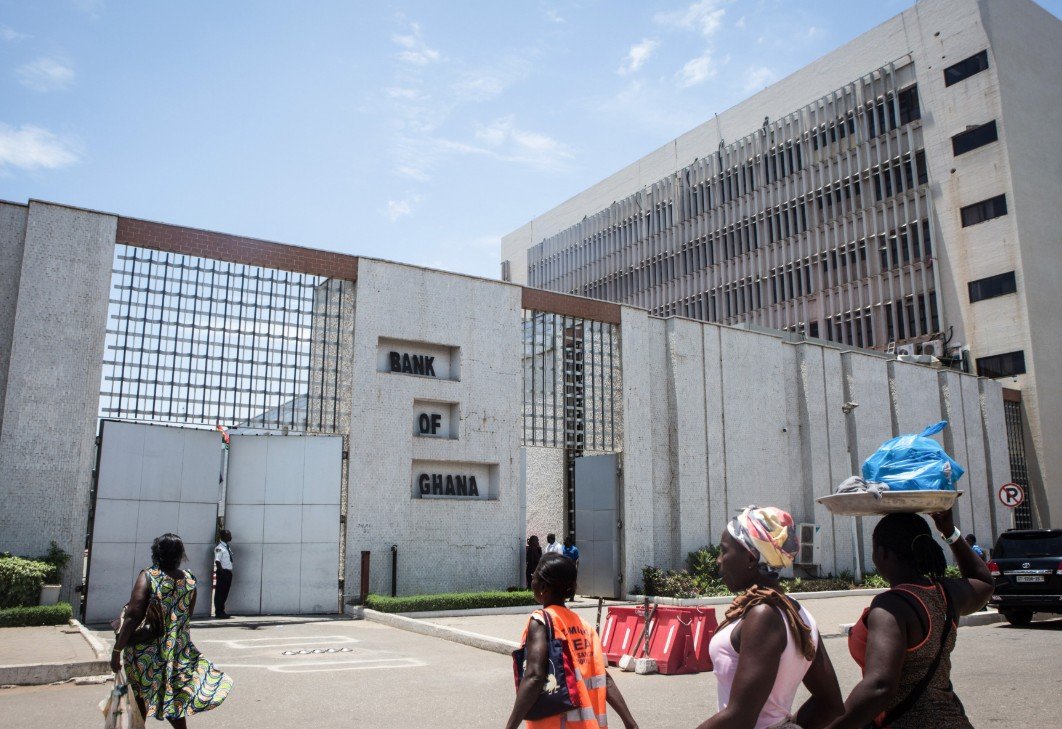
Recent Steps by Bank of Ghana
The Bank of Ghana held a training event on December 1, 2025, for banks and insurers. This session taught about Sharia compliant products like sukuk bonds and takaful insurance.
Officials shared plans for two types of licenses. One lets regular banks add non interest sections, while the other creates full non interest banks.
- Training covered product design and rules.
- It included ways to handle money without interest.
- Banks learned about reporting to build trust.
More events like webinars drew over 400 people in November 2025. These talks featured experts who explained how non interest banking can fit into Ghana’s economy.
A key advisor noted that final rules are almost ready. The bank aims to launch full services in 2026, after testing.
Leaders also met with global groups at events like the 2025 Global Ethical Finance Conference in London. There, Ghana shared its goals to attract foreign help.
Challenges in the Expansion
Building this new system brings hurdles. Ghana lacks enough experts trained in Islamic finance, which slows progress.
Public knowledge is low too. Many people do not understand how non interest banking works, leading to doubts.
| Challenge | Impact | Possible Fix |
|---|---|---|
| Shortage of skilled workers | Delays in starting services | More training programs and school courses |
| Weak customer awareness | Low uptake of new products | Education campaigns and simple guides |
| Legal changes needed | Conflicts with old banking laws | Update rules for Sharia compliance |
Critics worry about keeping things fair across all banks. They stress the need for strong checks to avoid risks.
Some point out that without clear reports, trust could suffer. Groups like accountants push for better standards to match global best practices.
Benefits for Ghana’s Economy
Non interest banking could open doors for more people. It targets groups left out by regular banks, like rural farmers and small firms.
This model shares profits and losses, which might lower risks in tough times. For example, in agriculture, it could fund projects based on real assets, not just interest.
It may attract money from abroad, especially from Middle East investors who prefer ethical options. This could help build roads, schools, and power systems.
Studies show similar systems boosted inclusion in other African nations. In Ghana, it might add jobs in finance and related fields.
Overall, it promotes fair growth. By offering choices, the banking sector becomes more diverse and strong.
Future Outlook and Next Steps
Looking ahead, Ghana plans to license full non interest banks soon. Regulators will work with securities and insurance bodies for a smooth rollout.
Experts predict growth in areas like ethical investments. With right support, this could make Ghana a leader in West African Islamic finance.
Stakeholders call for ongoing talks to fix issues early. Success depends on teamwork between banks, government, and communities.
What do you think about this banking change in Ghana? Share your views in the comments and spread the word to others interested in finance news.