A massive cargo plane touched down in Liège, Belgium this week carrying passengers that have never seen a green pasture. Fifty donkeys, many bearing physical and mental scars from the conflict in Gaza, were unloaded in metal crates to breathe European air for the first time. The operation, led by Israeli activist Sharon Cohen, offers these animals a second chance but has sparked a fierce ethical debate as the humanitarian crisis for humans in the enclave continues to worsen.
The Airborne Ark Arrives
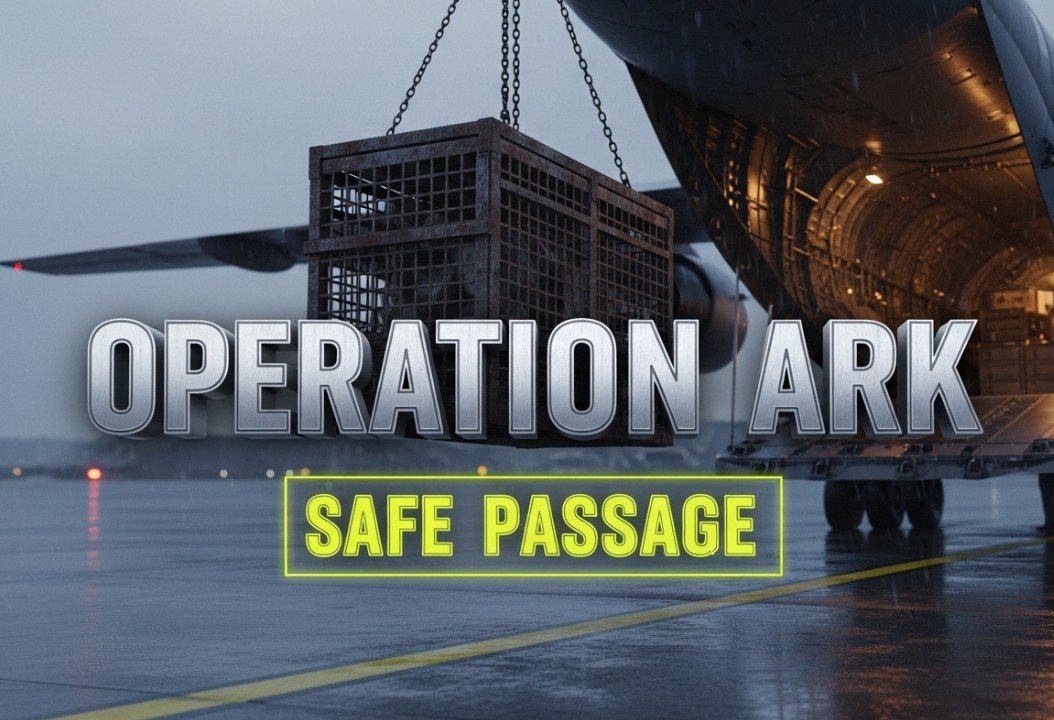
The engines of the 747 were still warm when ground crews at Liège Airport began the delicate unloading process.
Inside the climate-controlled hold sat seven large travel boxes containing the terrified animals. They have been transported from a holding facility near Tel Aviv to start new lives in sanctuaries across France and the Netherlands.
Among the new arrivals are:
- Hibiscus: A foal found wandering near a combat zone.
- Wazabi: A donkey with deep scarring from an ill-fitting harness.
- Duvdevan: Named after an elite Israeli commando unit.
This flight marks a significant escalation in the efforts of Starting Over Sanctuary.
Sharon Cohen has now orchestrated the transfer of over 600 donkeys to Europe since 2022.
Most of these animals were previously used for hard labor in the Gaza Strip or the West Bank. The logistics of moving fifty large animals by air requires military precision and significant funding.
Rescued From the Ruins
The journey for these animals began in the rubble of Gaza.
According to reports from the ground, Israeli soldiers operating in the enclave often encounter abandoned or injured livestock. Some units have taken to rounding up the donkeys and handing them over to Cohen’s organization at the border crossings.
Cohen claims the animals arrive in desperate conditions. She states that at least 160 of the donkeys in her care came directly from Gaza. She describes them as starving, mutilated and deeply traumatized by the constant explosions and lack of food.
“Save the donkeys from the war! This is our rallying cry. It does not matter if they are from Gaza or Israel. They are innocent victims.”
The organization also purchases donkeys from owners in Arab villages within Israel. Cohen believes that the working conditions for these animals are often abusive regardless of the political situation. Her team rehabilitates them at their sanctuary before finding them permanent homes abroad.
A Clash of Moral Priorities
The sight of donkeys receiving first-class rescue treatment has triggered outrage among some observers.
Critics argue that the resources used to airlift animals could be better spent aiding the human population in Gaza. The death toll in the enclave has reached devastating heights over the last year. Tens of thousands of people have been killed since the war began following the October 7 attacks.
The debate centers on a difficult question:
- Should animals be saved when humans are suffering?
- Does the rescue operation ignore the context of the war?
- Is the naming of donkeys after military units insensitive?
Social media has lit up with arguments on both sides. Supporters praise Cohen for saving lives that others ignore. They argue that compassion is not a zero-sum game.
Detractors feel the initiative displays a disconnect from the human tragedy unfolding just miles away from the sanctuary. They point to the naming of donkeys like “Duvdevan” as a politicization of animal rescue.
Finding Peace in Green Pastures
Despite the noise surrounding the mission, the reality for the animals has improved overnight.
The fifty donkeys unloaded in Belgium have already begun their transfer to partner shelters. France has been a primary destination for these animals over the last two years. The lush fields of Normandy and other rural regions offer a stark contrast to the dust and danger of a conflict zone.
Veterinarians at the receiving sanctuaries will now begin the long process of physical rehabilitation. Many of the donkeys require surgery for old injuries or treatment for malnutrition.
The Starting Over Sanctuary shows no sign of slowing down its operations. Cohen insists that as long as the war continues, there will be innocent creatures caught in the crossfire that need saving.
For Hibiscus, Wazabi and the others, the politics of the Middle East are now a world away. They have traded the sound of airstrikes for the quiet hum of a European countryside.
The airlift of these fifty donkeys highlights a complex intersection of compassion and conflict. While the operation has successfully removed animals from a war zone, it forces the world to confront uncomfortable questions about where we direct our empathy during times of crisis. As the donkeys settle into their new homes, the war they left behind continues to rage, leaving observers to wonder if enough is being done for all victims of the violence.
What do you think about this rescue mission? Is it a noble act or a misplaced priority? Share your thoughts in the comments below using #GazaDonkeys and let us know your stance.