
A new exhibit in Jerusalem honors Staff Sergeant Lavi Lipshitz, a 20-year-old Israeli soldier killed in Gaza in 2023, by showcasing thousands of his intimate street photographs. Opened in late 2025, the display at the Djanogly Visual Arts Center runs through April 2026 and draws young visitors to explore his creative legacy.
Remembering a Young Artist Lost in Battle
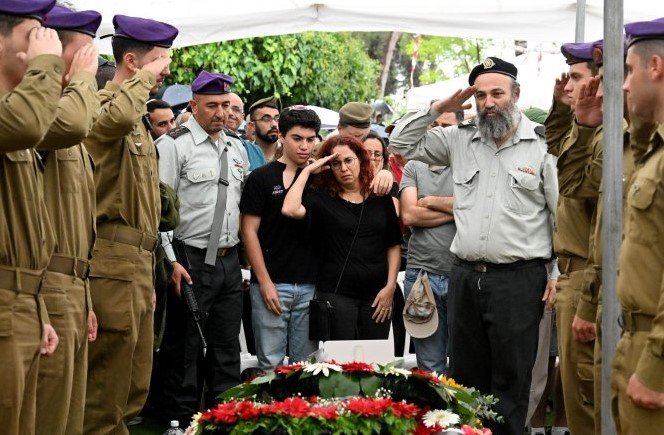
Lavi Lipshitz served in the elite Givati Brigade and became the first Israeli soldier killed during the ground invasion of Gaza on October 31, 2023. His death came amid the intense fighting that followed the October 7 attacks by Hamas, which claimed over 1,200 lives in Israel.
Before his military service, Lipshitz pursued photography with passion, starting at age 12 when he received his first camera. He captured everyday moments on Israeli streets, from quiet interactions to bustling protests, building a collection of about 150,000 images.
His family preserved this vast archive after his passing, but it stayed private until curators stepped in. This year, they decided to share it publicly to inspire others, especially youth facing similar challenges in a region marked by conflict.
The exhibit highlights how Lipshitz balanced his soldier duties with his art, posting daily photos online during his service. These glimpses into military life mixed with personal creativity have touched many, turning his story into a symbol of resilience.
Inside the Jerusalem Display
The Djanogly Visual Arts Center in southern Jerusalem hosts the exhibit in a space designed for younger audiences. Visitors walk through three rooms filled with hundreds of Lipshitz’s photos, each telling a story of human connection.
One section focuses on his street photography, showing scenes like a woman helping a homeless man or protesters facing police. These images reveal Lipshitz’s eye for emotion and detail in ordinary life.
Another area displays his self-portraits and army shots, including a notable photo called “Warriors’ Rest” from August 2023. It captures soldiers in a moment of quiet amid training, blending vulnerability with strength.
The setup includes interactive elements, such as rotating digital projections, to engage teens and encourage them to think about art as a way to process tough experiences. Curators aimed to make it accessible, with free entry for students under 18.
Feedback from early visitors praises the emotional depth. One attendee noted how the photos bridge personal loss with broader themes of hope in Israel today.
How the Exhibit Came Together
Curators Hila Timor-Ashur and Guy Biran approached Lipshitz’s parents soon after his death, but the family needed time to grieve. By May 2025, they agreed to collaborate, seeing it as a way to keep his vision alive.
The process involved sifting through thousands of files on his computer, selecting pieces that showed his growth as an artist. His mother, Shlomit Lipshitz, shared that opening those files felt like reconnecting with her son.
Support came from local art communities and donors, ensuring the exhibit could run for months. It ties into ongoing efforts in Israel to memorialize fallen soldiers through creative tributes, similar to recent projects honoring victims of the 2023 conflicts.
This display joins other 2025 cultural events in Jerusalem, like photography shows at the Jewish Museum, highlighting the city’s role as a hub for reflection and healing.
Organizers hope it inspires young people to pick up cameras and document their own stories, turning tragedy into a source of motivation.
Key Themes in Lipshitz’s Work
Lipshitz’s photos often explored themes of humanity amid chaos, a reflection of his life in a conflict zone. Experts note his style draws from classic street photographers, yet feels fresh and personal.
Here are some standout elements from his collection:
- Intimate Portraits: Captures raw emotions in everyday people, like a child’s wonder at a market.
- Social Commentary: Images from protests show tension and unity in Israeli society.
- Military Insights: Rare views into soldier life, blending duty with moments of peace.
- Self-Reflection: Self-portraits reveal his inner world, from joy to quiet thought.
These themes resonate in 2025, as Israel navigates ongoing security issues and seeks paths to peace.
Impact on Visitors and Community
Since opening, the exhibit has drawn crowds, including school groups and families. Many leave with a renewed appreciation for art’s role in coping with loss.
One visitor, a teenager from Tel Aviv, said it motivated her to start photographing her neighborhood. Others connect it to current events, like recent ceasefires and rebuilding efforts in Gaza border areas.
The display also sparks discussions on mental health for young soldiers, a growing focus in Israel with programs supporting veterans. In 2025, similar initiatives have expanded, offering therapy through creative outlets.
To track attendance, here’s a quick overview of visitor data based on early reports:
| Month | Estimated Visitors | Key Demographic |
|---|---|---|
| September 2025 | 2,500 | Students (60%) |
| October 2025 | 3,200 | Families (50%) |
| November 2025 (projected) | 4,000 | General Public (40%) |
This table shows growing interest, with projections for even more as word spreads.
Legacy Beyond the Gallery
Lipshitz’s story extends online, where his Instagram account continues to inspire followers worldwide. Posts from his diary-like series during service have gained traction, especially among youth interested in photography.
In a broader sense, this exhibit contributes to Israel’s cultural scene in 2025, amid events like international art fairs and memorials for the October 7 anniversary. It reminds us how individual talents can endure through shared memories.
His family plans to expand the project, possibly with a book or traveling show, to reach more people. This keeps his passion alive while honoring his sacrifice.
What do you think of Lavi Lipshitz’s work? Share your thoughts in the comments below or pass this article to a friend who loves photography. Your engagement helps spread stories like this.
