In Cairo, Egypt, refugee women from war-torn countries gathered in September 2025 for groundbreaking Sister Care seminars, marking the end of a 15-year global effort by leaders Carolyn Heggen and Rhoda Keener. These sessions helped participants confront deep fears and trauma, offering tools for healing amid Egypt’s growing refugee crisis.
A Milestone for Global Healing Efforts
For 15 years, Carolyn Heggen and Rhoda Keener have led Sister Care seminars worldwide, completing 81 sessions across 23 countries by September 2025. Their work wrapped up in Egypt with three events: one for local Christian women, one for refugee women, and one for male pastors serving refugee communities.
This marked the first time Sister Care reached Egypt, a nation hosting millions of displaced people. Coordinated by local partners, the seminars focused on emotional recovery and community support. Participants shared stories of loss and resilience, turning personal pain into shared strength.
Heggen and Keener passed the torch to trained local leaders, ensuring the program’s legacy continues. Their partnership has touched thousands, blending faith-based teachings with practical coping strategies.
Daily Struggles of Refugee Women in Egypt
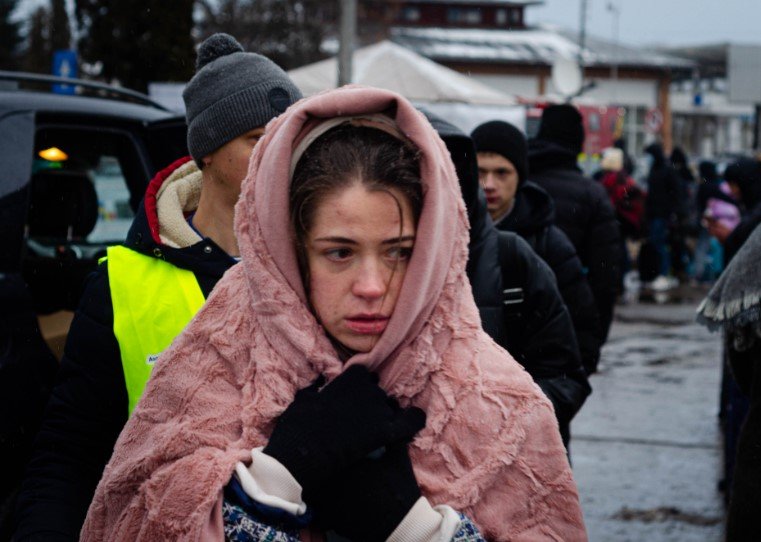
Egypt, home to over 108 million people, shelters about 1 million registered refugees and up to 8 million unregistered ones, mainly from Sudan, South Sudan, Syria, and other African nations. Most live in Cairo, a bustling city of 22.6 million, where they face harsh realities.
Women bear the brunt of these challenges. Many arrive speaking different languages, scrambling for housing and jobs in a crowded urban landscape. Without a path to citizenship, they get limited access to health care and education for their kids.
Cultural pressures add to the burden. Shame tied to dress codes and family roles often silences victims of abuse. Domestic violence goes unreported, with blame shifted to women. Churches step in to help, partnering on projects that provide food, skills training, and safe spaces.
Recent events, like the ongoing Sudan conflict in 2025, have swelled refugee numbers, straining resources. Women report rising verbal attacks and exploitation by landlords, making daily life a constant battle.
Fears That Haunt and the Path to Healing
Refugee women in the seminars opened up about profound fears that shape their lives. Kidnapping tops the list, with mothers terrified their children could vanish while they work low-paying jobs.
Stories of sexual abuse and organ trafficking circulate widely, deterring women from seeking medical help. One participant shared how she avoided a needed surgery, fearing her organs might be harvested for the wealthy.
The seminars tackled these issues head-on, teaching ways to rebuild trust and self-worth. Through group talks and rituals like anointing, women found solidarity. Tears flowed, but so did laughter and hope.
Here are some common fears voiced by participants:
- Child kidnapping during work hours
- Sexual assault on crowded streets
- Landlord exploitation and unfair rent hikes
- Limited medical access due to trafficking rumors
These sessions provided not just emotional relief but practical tips, like community watch groups for child safety.
Impact on Communities and Churches
The seminars equipped women with new skills for ministry in their churches. Pastors’ wives learned to support others facing similar traumas, fostering a ripple effect in refugee communities.
One group focused on how cultural and religious teachings reinforce shame. Participants discussed blaming victims for family issues or infidelity, and how to challenge these views kindly.
Male pastors attended a separate session, gaining insights to better aid women in their congregations. This inclusive approach strengthened church responses to refugee needs.
Local organizations, including those backed by international aid, now integrate these tools into ongoing programs. In 2025, with Egypt’s refugee plan launched in June, such efforts align with broader resilience strategies.
| Key Refugee Statistics in Egypt (2025) | Details |
|---|---|
| Registered Refugees | About 1 million (UNHCR data) |
| Unregistered Refugees | Up to 8 million estimated |
| Main Origins | Sudan, South Sudan, Syria, other African countries |
| Primary Location | Cairo (population 22.6 million) |
| Access Challenges | No citizenship path, limited health and education services |
This table highlights the scale of the crisis, showing why grassroots healing like Sister Care matters.
Looking Ahead: Hope Amid Uncertainty
As global conflicts persist, Egypt’s refugee population may grow, with experts predicting more arrivals from unstable regions in 2026. Programs like Sister Care offer a model for other countries, blending faith, psychology, and community action.
Participants left with renewed purpose, ready to lead similar groups. One woman said the sessions helped her “move beyond fear” and support her daughters better.
Future seminars, now in local hands, promise sustained impact. Aid groups call for more funding to expand these initiatives, addressing both immediate trauma and long-term integration.
What do you think about these healing efforts? Share your thoughts in the comments and pass this story to friends who care about global refugee issues.