
Egypt’s government and the World Bank met in Cairo on January 11, 2026, to talk about growing investment guarantees that could pull in more private money and back key changes. Minister Rania Al-Mashat led the talks with Stefan Gimbert, the World Bank’s regional director, focusing on ways to spark private sector growth without loading up the state budget.
Key Points from the Cairo Meeting
Officials looked at Egypt’s big plan for overall growth, which puts people first, pushes industry forward, and aims for a greener economy. They also talked about making the job market work better and handling public spending smarter.
Al-Mashat pointed out that Egypt now ties aid money to real results in areas like managing public cash, improving business rules, and building up skills in the workforce. This setup makes sure funds lead to clear wins.
The chat zeroed in on using more guarantees from the World Bank’s new single platform. This mixes tools from groups like the International Finance Corporation and the Multilateral Investment Guarantee Agency to draw big investments into roads, power, and local projects.
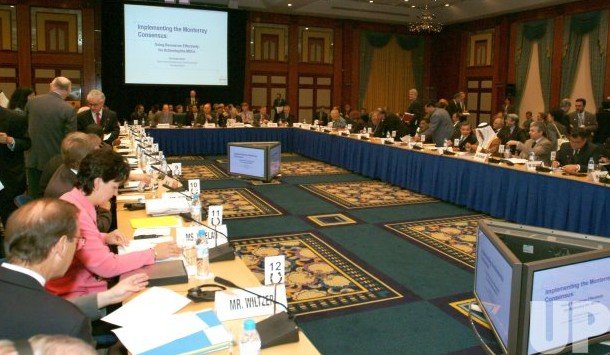
How Guarantees Help Private Sector Growth
These guarantees act as a safety net for investors, cutting risks in tough markets and encouraging them to put money into Egypt’s economy. With the private sector already making up about 75 percent of the country’s total output and hiring over 80 percent of workers, this could open doors for more jobs and fresh ideas.
Experts say such tools have worked well in other places by bringing in billions without direct government loans. In Egypt, they fit into wider efforts to cap public spending at 1.16 trillion Egyptian pounds for the 2025-2026 fiscal year, freeing up room for private players.
Recent data shows the banking system’s local funds hit 13.85 trillion Egyptian pounds in November 2025, up from the month before. This cash boost could pair well with guarantees to fuel private ventures.
- Guarantees reduce investor fears about political or currency risks.
- They target key areas like clean energy and factories.
- Past World Bank support has already reached 8.7 billion dollars in Egypt.
Linking Reforms to Real Results
The meeting touched on a financing style called Program-for-Results, where money flows only after hitting set goals. This method boosts how well resources get used and lifts service quality in things like health and education.
Al-Mashat shared that Egypt’s approach measures success through clear markers, like better budget handling or more efficient markets. This ties into the country’s second economic story, aiming for 7.5 percent growth by 2030 through stronger human skills and private investments.
Other recent moves show Egypt’s push: deals worth 1.8 billion dollars for renewable energy signed just days ago, set to grow green power in the national mix.
Broader Economic Picture in 2026
Egypt faces a mix of ups and downs this year, with the pound holding a tricky balance between supports like foreign aid and pressures from global shifts. Standard Chartered predicts steady world growth at 3.4 percent, which could help Egypt’s plans if reforms stick.
The World Bank has long partnered with Egypt on jobs, women’s roles, and safety nets. Their work now builds on a portfolio that supports sustainable steps amid a working-age population growing by over a million people each year.
| Economic Indicator | Value in 2025/2026 | Change from Previous |
|---|---|---|
| Public Investment Cap | 1.16 trillion EGP | Downward trajectory for debt control |
| Banking Liquidity | 13.85 trillion EGP (Nov 2025) | Up from 13.686 trillion EGP in Oct |
| World Bank Portfolio | 8.7 billion USD | Supports reforms and private growth |
| Growth Target | 7.5% by 2030 | Focus on inclusive development |
What This Means for Egypt’s Future
This partnership could speed up Egypt’s shift to a more private-led economy, creating jobs and cutting reliance on state funds. As global eyes turn to stable growth spots, these guarantees might pull in fresh capital, especially in green tech and infrastructure.
With talks ongoing, watch for updates on how these tools roll out. Egypt’s steps align with trends in places like the Middle East, where private boosts have led to stronger recoveries.
If this story sparks your interest, share it with friends or drop a comment below on how you think these changes could shape Egypt’s economy.
