Egypt and Qatar stepped up calls on December 7, 2025, for Israel to withdraw troops from Gaza and deploy an international stabilization force to secure the fragile truce. These key mediators, working with the United States, warned that daily violations threaten the deal reached last month, urging quick action to prevent further crisis in the region.
Mediators Highlight Urgent Steps
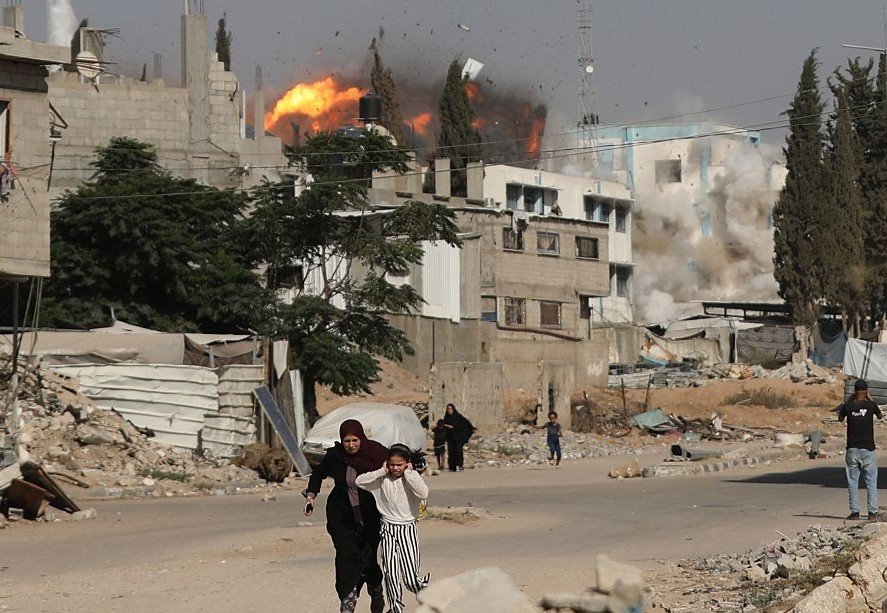
Leaders from Egypt and Qatar spoke out at the Doha Forum, stressing the need for full ceasefire implementation. Qatari Prime Minister Mohammed bin Abdulrahman Al Thani said the truce remains incomplete without Israeli forces pulling back entirely. He pointed out that fighting has mostly stopped, but over 360 deaths in Gaza since the ceasefire began show the risks.
Egyptian Foreign Minister Badr Abdelatty agreed, noting Israel’s daily breaches of the agreement. He called for an international force along Gaza’s yellow line to monitor compliance. Both nations rejected any division of Gaza and pushed for unified Palestinian control.
Discussions also touched on aid flow. Officials said current humanitarian supplies fall short, with UN agencies reporting severe shortages. This comes amid reports of acute malnutrition affecting hundreds of children in the area.
Challenges in the Truce Process
The ceasefire, brokered after months of talks, entered its second month but faces hurdles. Netanyahu stated Israel nears the end of phase one, focusing next on disarming groups in Gaza. He plans talks with U.S. leaders on future steps.
Mediators warned against delays. Qatar clarified its role started at U.S. request years ago, denying funding claims against Hamas. Egypt emphasized Rafah crossing should only handle aid, not displacement.
Recent events add tension. South Africa halted visa perks for Palestinians after a suspicious flight raised displacement fears. Norwegian officials backed Palestinian governance, calling the occupation illegal per global court rulings.
Here are key phases of the ceasefire deal based on mediator statements:
- Phase One: Halt to major fighting and initial prisoner swaps.
- Phase Two: Israeli troop withdrawal and international force deployment.
- Phase Three: Reconstruction efforts and long-term stability talks.
Humanitarian Impact and Global Response
The crisis has deepened needs in Gaza. UN reports show camps emptied due to forced moves, with over 500 children facing malnutrition. Aid groups call for more funding to avoid service cuts.
International voices grow louder. Norway’s foreign minister said support for a Palestinian state is at a peak. He warned ongoing operations risk the truce. Other nations watch closely, with calls for accountability.
A table of recent developments shows the timeline:
| Date | Event | Impact |
|---|---|---|
| Nov 2025 | Ceasefire agreement signed | Fighting largely stops |
| Dec 6, 2025 | Doha Forum statements | Push for withdrawal and force |
| Dec 7, 2025 | Egypt urges phase two start | Highlights daily violations |
| Ongoing | Aid shortages reported | Risks to civilian health |
This setup highlights the push for progress amid rising concerns.
Broader Regional Effects
The Gaza situation affects nearby areas like the West Bank. Qatari leaders said a full truce must include stability there to succeed. Reports of raids and tensions continue, complicating peace efforts.
Global mediation efforts evolve. Qatar and Egypt work to advance to phase two, building on past deals that freed prisoners. Logical next steps involve all parties showing commitment, as delays could spark renewed conflict.
Experts note this moment offers a chance for lasting change, but trust remains low. With U.S. involvement, outcomes depend on upcoming talks.
Looking Ahead to Stability
As pressures mount, focus shifts to enforcement. An international force could verify terms, reducing violations. Reconstruction funding hangs in balance, with Qatar tying support to Palestinian needs.
The path forward requires cooperation. Without quick moves, the fragile peace might crumble, experts warn.
Share your thoughts on this developing story in the comments below, and spread the word to keep informed on Middle East updates.