
Palestinian and Egyptian officials met in Cairo to press ahead with talks on the second phase of the Gaza ceasefire, as regional mediators race to keep fragile calm intact and prevent a slide back into full-scale fighting.
The meetings come at a tense moment, with humanitarian needs still acute and political questions piling up, you know, faster than answers.
Cairo Meetings Put Ceasefire Phase Two at the Center
A senior Palestinian delegation led by Hussein al-Sheikh arrived in Cairo on Sunday for talks with Egypt’s top foreign policy and intelligence officials.
The discussions focused squarely on Gaza, but also stretched to the West Bank, where tensions have simmered despite the truce.
At the heart of the agenda was the push to move the Gaza ceasefire into its second phase, something Egyptian officials have been urging for weeks.
Diplomats familiar with the talks said the tone was serious, even blunt at times, reflecting the stakes involved.
There was little room for ceremony. This was about next steps, timelines, and risks.
Egypt Reaffirms Political and Humanitarian Commitments
During a meeting with the Palestinian delegation, Egyptian Foreign Minister Badr Abdelatty restated Egypt’s backing for what he described as the legitimate rights of the Palestinian people.
He stressed the urgency of transitioning to the second phase of the ceasefire, warning that delays could unravel the progress already made.
Abdelatty also highlighted the need to keep humanitarian aid flowing into Gaza without disruption, calling it a non-negotiable priority.
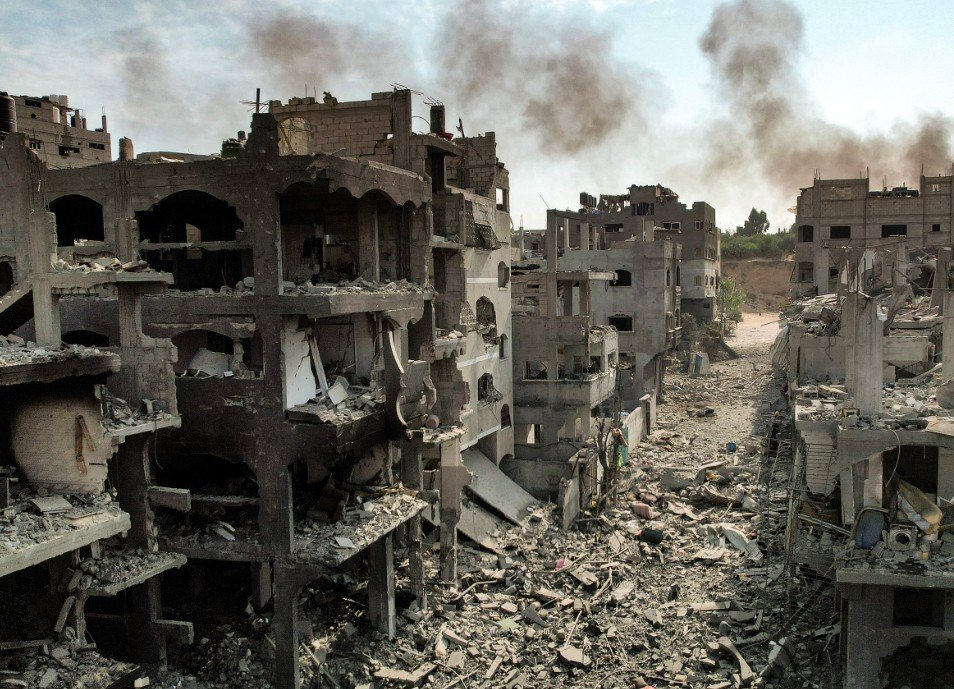
That point landed hard. Aid agencies have repeatedly said that conditions on the ground remain dire, with shortages of food, medicine, and shelter still widespread.
He linked humanitarian access directly to broader political efforts, arguing that relief alone is not enough without a credible political track.
Intelligence Talks Signal Ongoing Mediation Role
In parallel, the Palestinian delegation held separate talks with Egyptian General Intelligence Service chief Hassan Rashad, according to reports from Egypt’s state-linked media.
These discussions underscored Egypt’s behind-the-scenes role as a key mediator between rival parties.
Officials described the meeting as part of continuous efforts to stabilize Palestinian territories and smooth the path for the next ceasefire phase.
Security coordination, border arrangements, and guarantees were all on the table, sources said.
It was not flashy diplomacy, but the kind that often decides whether agreements survive or collapse.
What the First Phase Achieved, and What It Didn’t
The Gaza ceasefire, agreed between Hamas and Israel on October 10 last year, formally wrapped up its first phase in recent weeks.
That initial stage included a prisoner exchange, limited humanitarian aid deliveries, and partial Israeli military withdrawals from parts of Gaza.
For many civilians, it brought a pause in relentless airstrikes and ground fighting, and honestly, even that pause felt huge.
Still, the first phase left major issues unresolved.
Large areas of Gaza remain devastated, governance questions are unanswered, and security concerns linger on all sides.
Observers say the ceasefire held, but only just.
What the Second Phase Is Meant to Deliver
The proposed second phase is far more ambitious, and far more risky.
According to officials briefed on the plan, it aims to include:
-
A full Israeli military withdrawal from Gaza
-
The disarmament of Hamas
-
The launch of large-scale reconstruction efforts
-
The formation of a transitional governing body
Each of these points is sensitive on its own. Together, they form a political minefield.
Israeli leaders have repeatedly said security guarantees are essential, while Palestinian officials insist that withdrawal and reconstruction cannot wait.
Mediators like Egypt are trying to thread that needle, balancing pressure and reassurance.
Humanitarian Aid Still a Daily Struggle
Despite the ceasefire, aid groups report that Gaza’s humanitarian situation remains fragile.
Trucks carrying food and medical supplies do enter, but not always in sufficient quantities, and distribution inside Gaza is uneven.
Egyptian officials have emphasized that keeping crossings open and aid moving is central to any sustainable calm.
For families living among ruins, the ceasefire feels incomplete without visible improvement in daily life.
People want electricity, clean water, schools, and hospitals that work again. Big political frameworks can feel distant compared to that.
This gap between diplomacy and daily survival is something mediators are keenly aware of.
Regional Stakes and Egypt’s Calculated Role
Egypt’s involvement is driven by more than diplomacy.
Stability in Gaza directly affects Egyptian security, especially along the Sinai border.
Cairo has long positioned itself as a broker that can talk to all sides, maintaining channels with Palestinian factions, Israel, and international partners.
That role gives Egypt influence, but also responsibility.
Failure of the ceasefire would likely mean renewed violence, displacement, and regional fallout.
Success, even partial, strengthens Egypt’s standing as a central player in Middle East diplomacy.
Uncertain Road Ahead for Gaza Talks
As discussions on the second phase continue, expectations are being managed carefully.
Officials caution that progress will be incremental, not dramatic.
There are still deep mistrust issues, unresolved security concerns, and political pressures on all sides.
Yet the fact that talks are ongoing, and that Cairo remains a hub for them, is seen as a positive sign.
