
Egypt has called for a renewed spirit of cooperation across the Nile Basin Initiative (NBI), stressing that unilateral decisions over shared water resources can only deepen mistrust and complicate negotiations. Speaking before regional ministers in Bujumbura on Sunday, Egypt’s Minister of Water Resources and Irrigation, Hani Sewilam, urged countries to strengthen dialogue, avoid inflammatory statements, and treat the basin as a shared development space rather than a competitive one.
The comments come at a sensitive moment for basin politics, as several countries push forward with hydropower and water-storage projects amid regional stresses, rising populations, and climate-related supply swings. Egypt said cooperation—not symbolic grandstanding or unilateral engineering plans—is the only sustainable path forward.
Egypt Frames Dialogue as the Only Viable Roadmap
Sewilam told delegates attending the 33rd Nile-COM ministerial meeting that the consultative mechanism launched in November 2024 remains a “genuine opportunity” to restore inclusivity within the NBI and rebuild trust that has eroded over the past decade. He added that the platform could eventually lead to Egypt’s full re-engagement with the initiative, provided there is transparency, respect for international water law, and consensus-building.
His tone emphasized patience rather than confrontation.
Egypt has historically been cautious about large upstream water projects that could alter Nile flow dynamics. But Sewilam said dialogue is easier than litigation or silence, urging member governments to treat shared water planning with a sense of collective obligation.
A short pause sentence sits here: cooperation is not optional.
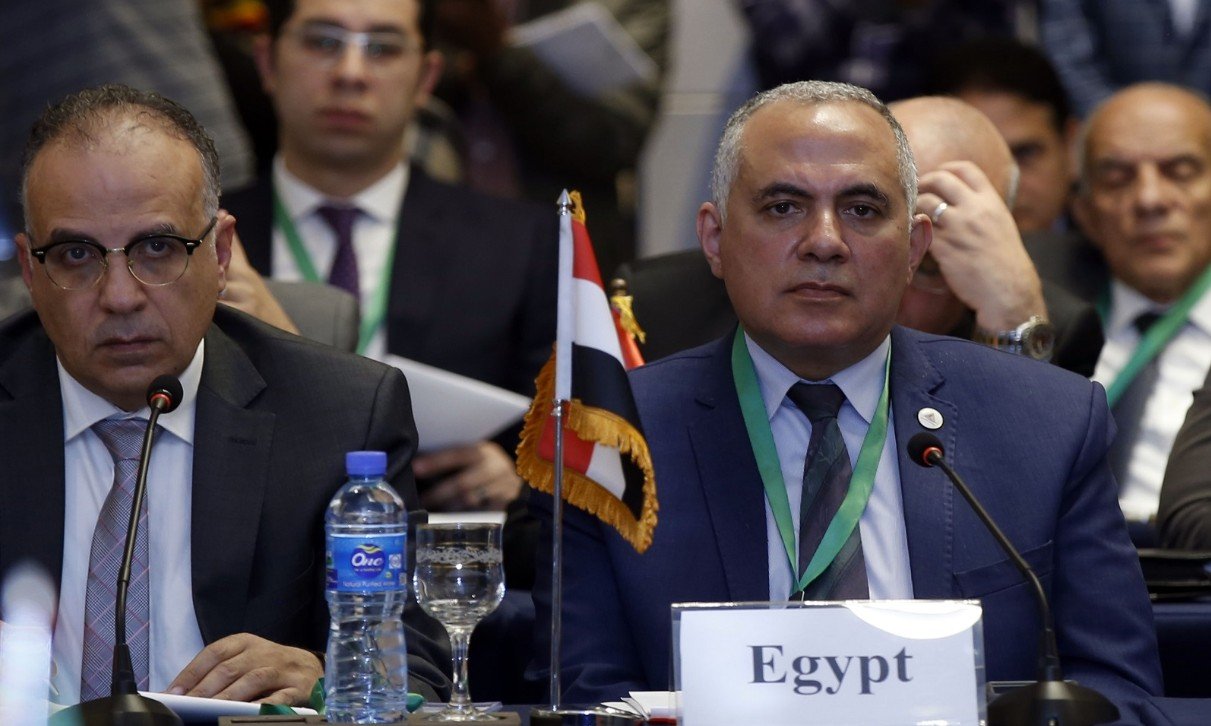
He framed the NBI as more than just a political platform—it has operated as a working institution for more than 25 years, linking countries through investment programs, development studies, and joint monitoring systems.
The Minister Calls Out Divisive Messaging
In one of the more pointed sections of his speech, Sewilam noted that “most basin countries have chosen dialogue,” but added that one party continues using hostile rhetoric meant to weaken unity and emotional calm within the initiative.
He did not name the country directly.
Observers attending the session said the tone remained measured and diplomatic, yet clear enough to address long-running tension over media statements, unilateral declarations, and the lack of structured coordination on certain upstream water management projects.
The minister said Egypt would continue exercising restraint, even if provoked, and would avoid reacting during formal meetings so as not to derail the consultative process.
A one-sentence breather: Egypt wants to keep the forum intact, not fracture it.
Some regional analysts say Sewilam’s language reflects rising anxiety about political messaging outside technical forums, where the tenor of public comments can sometimes set negotiations back faster than any engineering decision.
International Water Law Still Matters
Sewilam reiterated that shared-resource development cannot bypass international norms. Sustainable water planning must follow the principle of no significant harm, including environmental reviews, impact analysis, and basin-wide consultation before any major project is approved.
He pointed to the Nile Equatorial Lakes Subsidiary Action Program (NELSAP) as a regional template that has worked. Under NELSAP, more than 36 development and investment projects were approved after detailed impact studies and collective consensus. Member states aligned on technical standards before contracts were executed and financing secured.
The projects ranged from river basin management systems to irrigation upgrades and cooperative energy development. Sewilam said the model shows that shared water management does not need adversarial language to succeed.
A small one-line sentence increases variation: cooperation changes engineering from conflict to confidence.
He said Egypt wants to replicate NELSAP’s method in the Eastern Nile, where tensions have been higher and progress slower, especially on projects involving major water storage or altered downstream flow.
Appeals for Development Partner Support
Sewilam urged international donors, technical institutions, and financial partners to keep supporting the consultative process. He asked them to assist without fueling internal divisions or pushing competitive narratives.
Development partners, he said, should:
-
Provide technical capacity and funding for impact assessments
-
Support basin-wide monitoring systems
-
Avoid taking positions that increase polarization
Egypt asked partners not to reward unilateralism or encourage governance shortcuts. Sewilam’s message was that quiet diplomacy can stabilize discussions faster than public megaphone politics.
A short paragraph adds balance:
Technical oversight and funding are crucial, especially for member governments with complex budget conditions and infrastructure backlogs.
The Bigger Context: Fragile Trust, Rising Development Needs
The Nile Basin is home to hundreds of millions of people. Population growth, climate volatility, and food security pressures have created an urgent need for shared infrastructure, smarter irrigation, and sustainable water allocation systems.
Demand is rising from every direction: agriculture, energy, drinking water, and industrial development.
But cooperation remains fragile.
Confidence-building has become the key resource, not just cubic meters of water. Sewilam noted that transparent studies and strong governance reduce uncertainty faster than unilateral engineering or nationalistic rhetoric.
A one-sentence pause: the basin needs coordination more than confrontation.
Experts say that unilateral dam announcements, political speeches, and breakaway planning have historically escalated tension. None of these are mechanically irreversible, but they complicate trust.
Egypt Signals Flexibility, Not Softness
Egypt emphasized that it supports development without downstream harm. Cairo’s long-term water security plan rests on engineering efficiency, agricultural transformation, desalination expansion, and cooperative regional infrastructure.
The message is consistent: the Nile can serve multiple countries if basin systems are engineered with shared planning and early-stage transparency.
Sewilam said Egypt does not oppose development—only development without consultation.
He reminded delegates that the Eastern Nile sub-basin can achieve the same success seen in the southern basin if every party commits to scientific reviews, environmental compliance, and negotiated operating frameworks.
A standalone sentence improves rhythm: technical review is not bureaucracy—it is insurance.
Basin Politics Enter a Sensitive Window
Regional officials say the political environment entering 2026 may be extremely delicate. Liquidity pressures, climate shocks, crop cycles, and rising energy needs are forcing accelerated project timelines from multiple countries.
In this climate, rhetoric can move faster than diplomacy if left unchecked.
Sewilam’s speech telegraphed a message to the entire basin: avoid shortcuts, avoid public provocation, and use the NBI platform as the central system for technical dialogue.
